Maintaining the quality of insulating fluids is essential for ensuring the reliable operation of power transformers. Natural ester-based insulating fluids are increasingly used in electrical equipment due to their high fire points, biodegradability, and dielectric properties. However, like conventional mineral transformer oils, these fluids require regular monitoring and maintenance to preserve their performance. Proper treatment of natural ester-based insulating fluids helps remove contaminants, maintain insulation quality, and extend the service life of both the fluid and the transformer.
What Is Natural Ester Insulating Fluid Treatment?
Natural ester insulating fluid treatment involves processes designed to maintain or restore the operating characteristics of dielectric fluids derived primarily from vegetable oils. These fluids are used in transformers for electrical insulation and heat transfer. Over time, moisture, dissolved gases, solid particles, and aging products may accumulate in the fluid, affecting its performance.
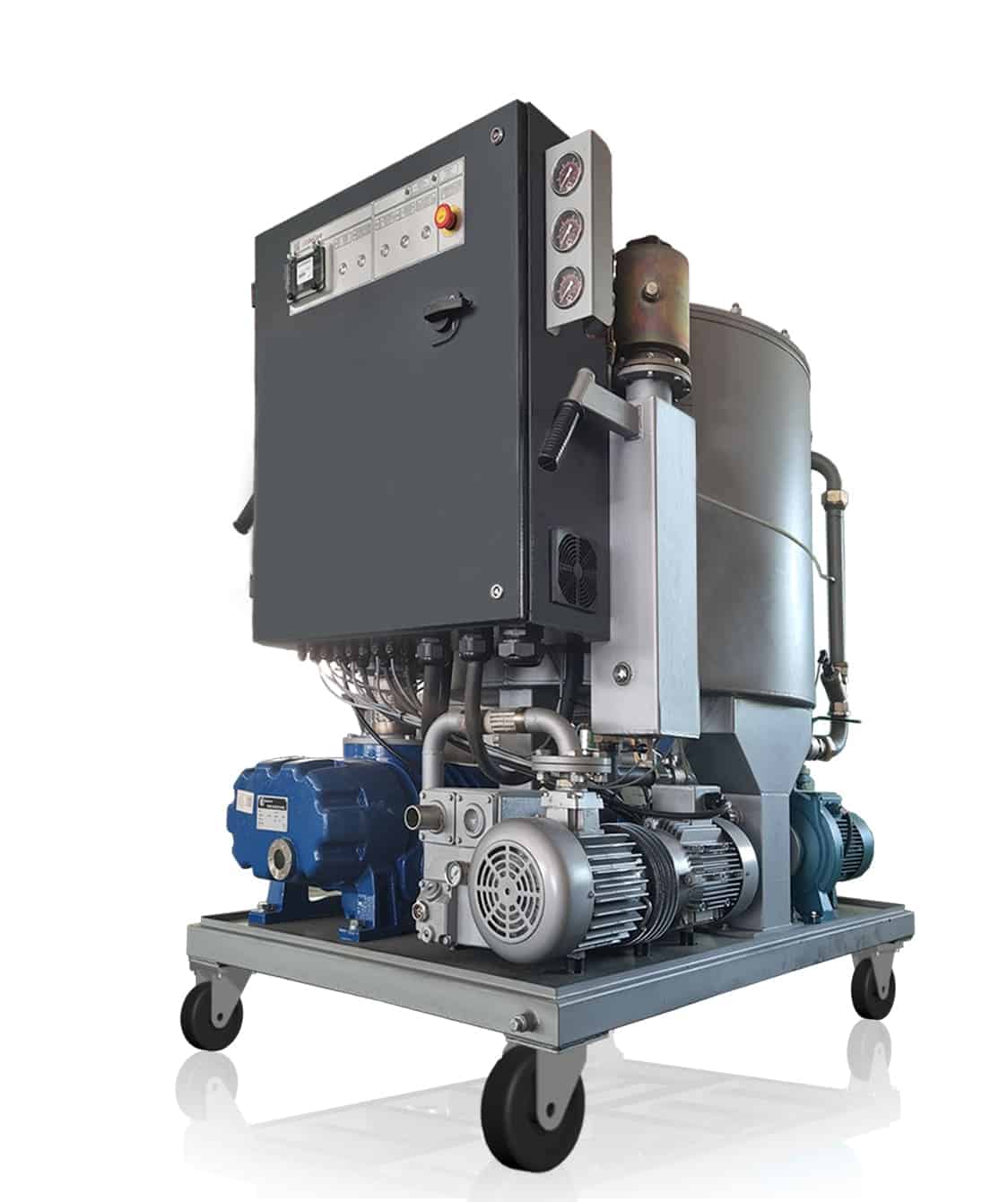
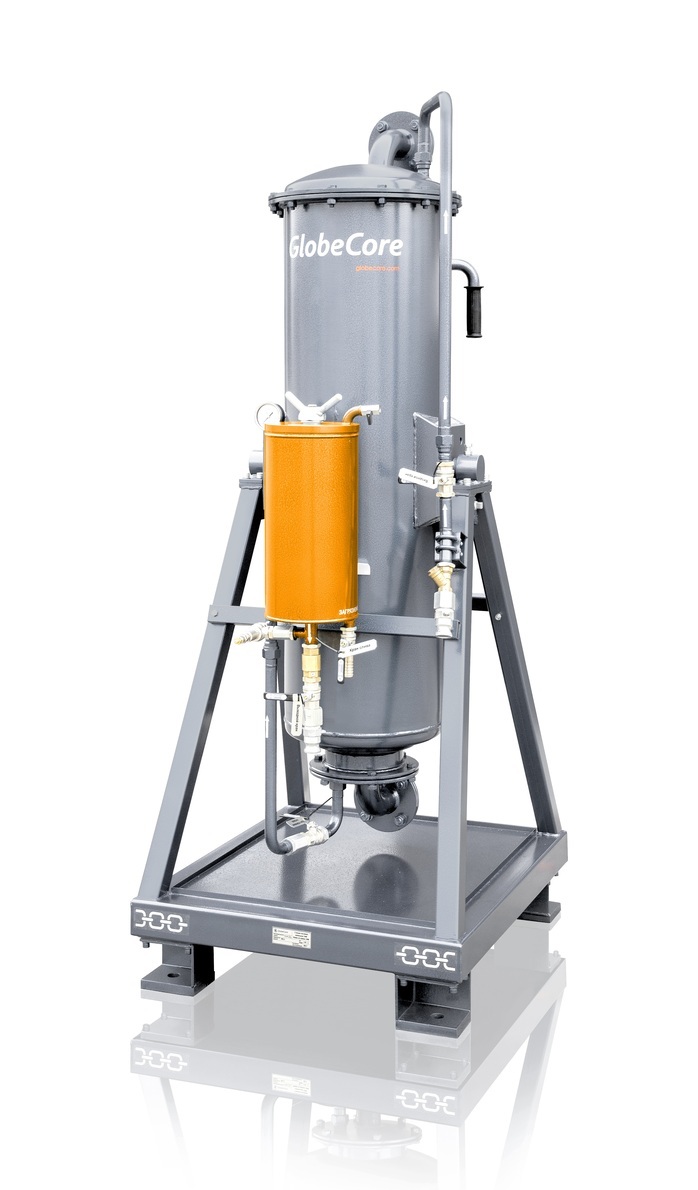
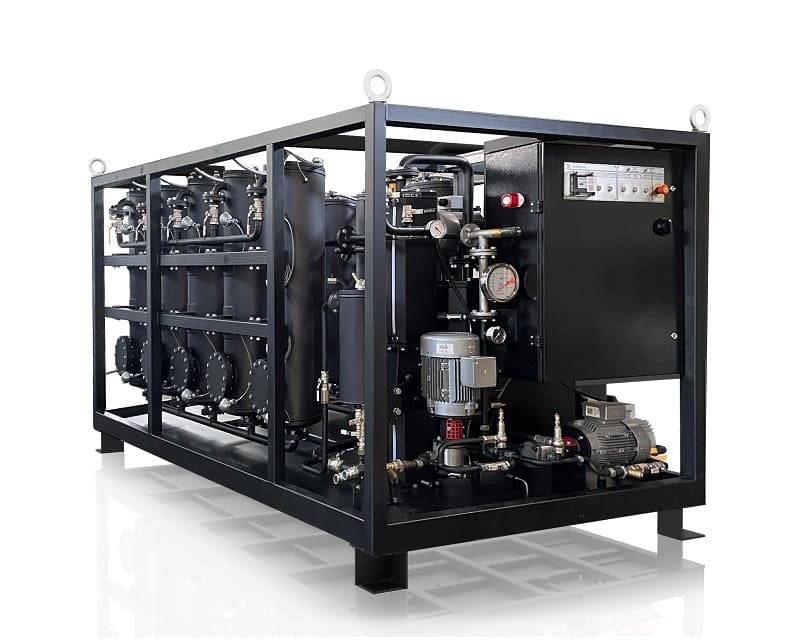
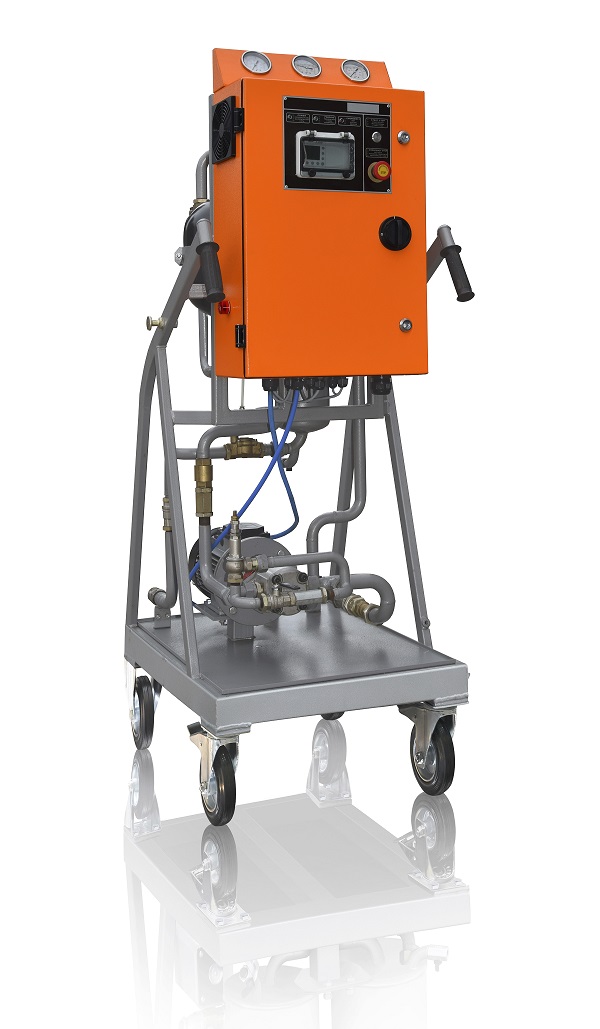
Treatment methods such as vacuum drying, degassing, filtration, and, where technically appropriate, regeneration can improve fluid quality and help maintain reliable transformer operation.
Benefits of Natural Ester Insulating Fluid Treatment
One of the main advantages of treating natural ester-based insulating fluids is the removal of contaminants that can negatively affect transformer performance. Excessive moisture and particulate contamination may reduce dielectric strength and increase the risk of electrical breakdown. Proper purification helps maintain the insulating properties required for reliable equipment operation.
Another important benefit is the possibility of extending the service life of the insulating fluid. By removing moisture, dissolved gases, and solid impurities, treatment can reduce the need for premature fluid replacement. This helps lower maintenance costs, minimize waste, and support environmentally responsible transformer maintenance.
Natural ester-based insulating fluids also have high fire points and are generally readily biodegradable. Maintaining their quality allows transformers to continue benefiting from these characteristics throughout their operating life.
How Natural Ester Insulating Fluid Treatment Works
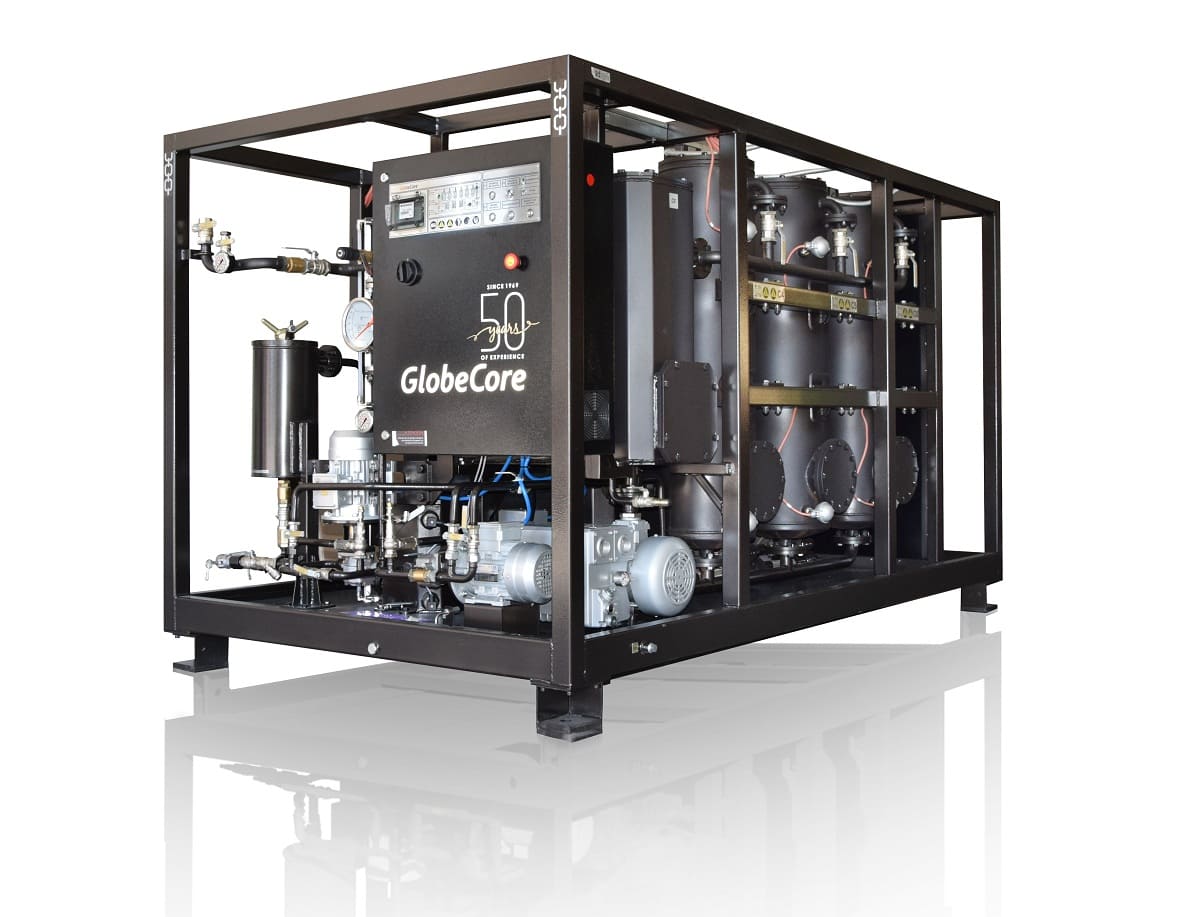
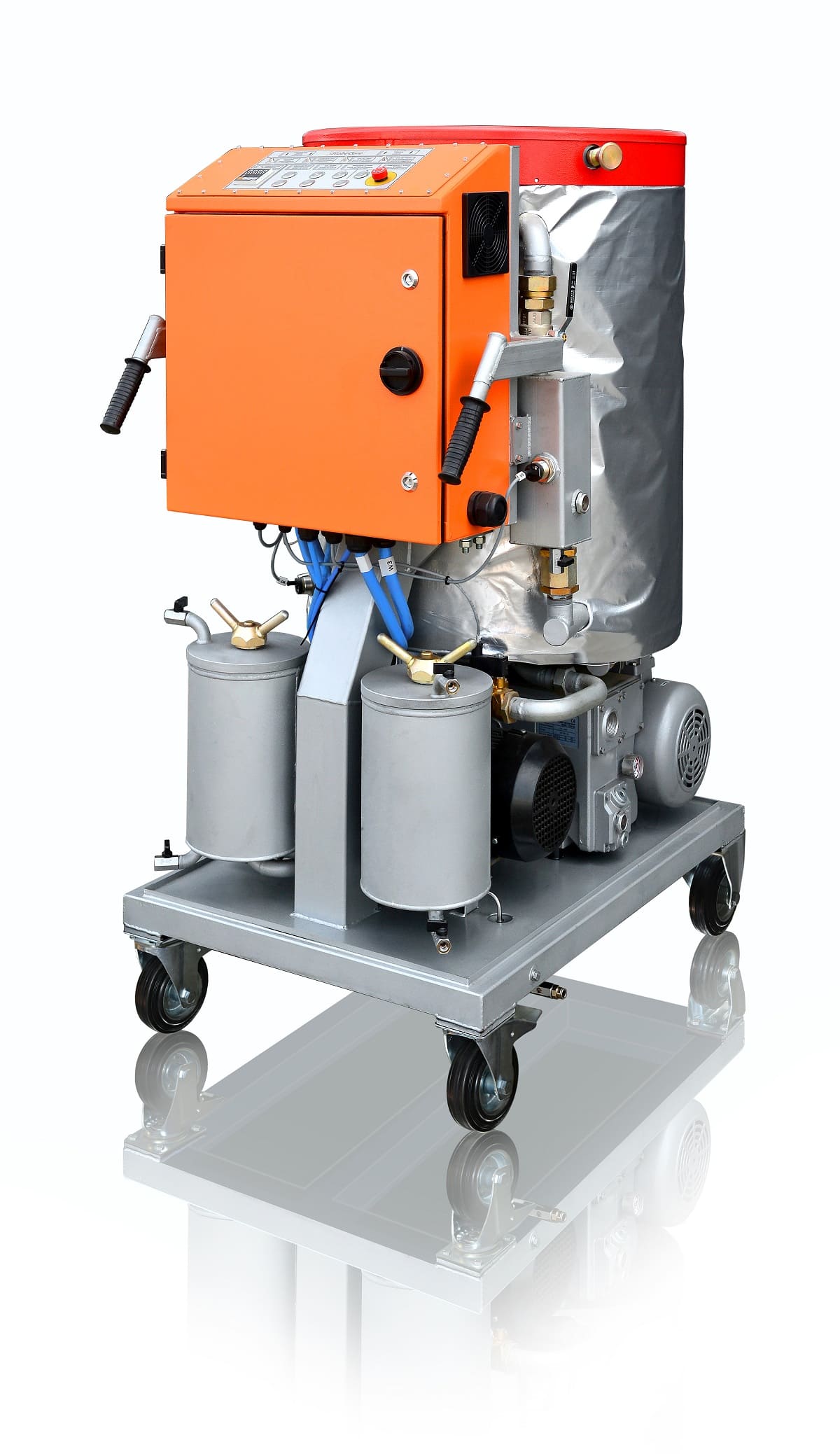
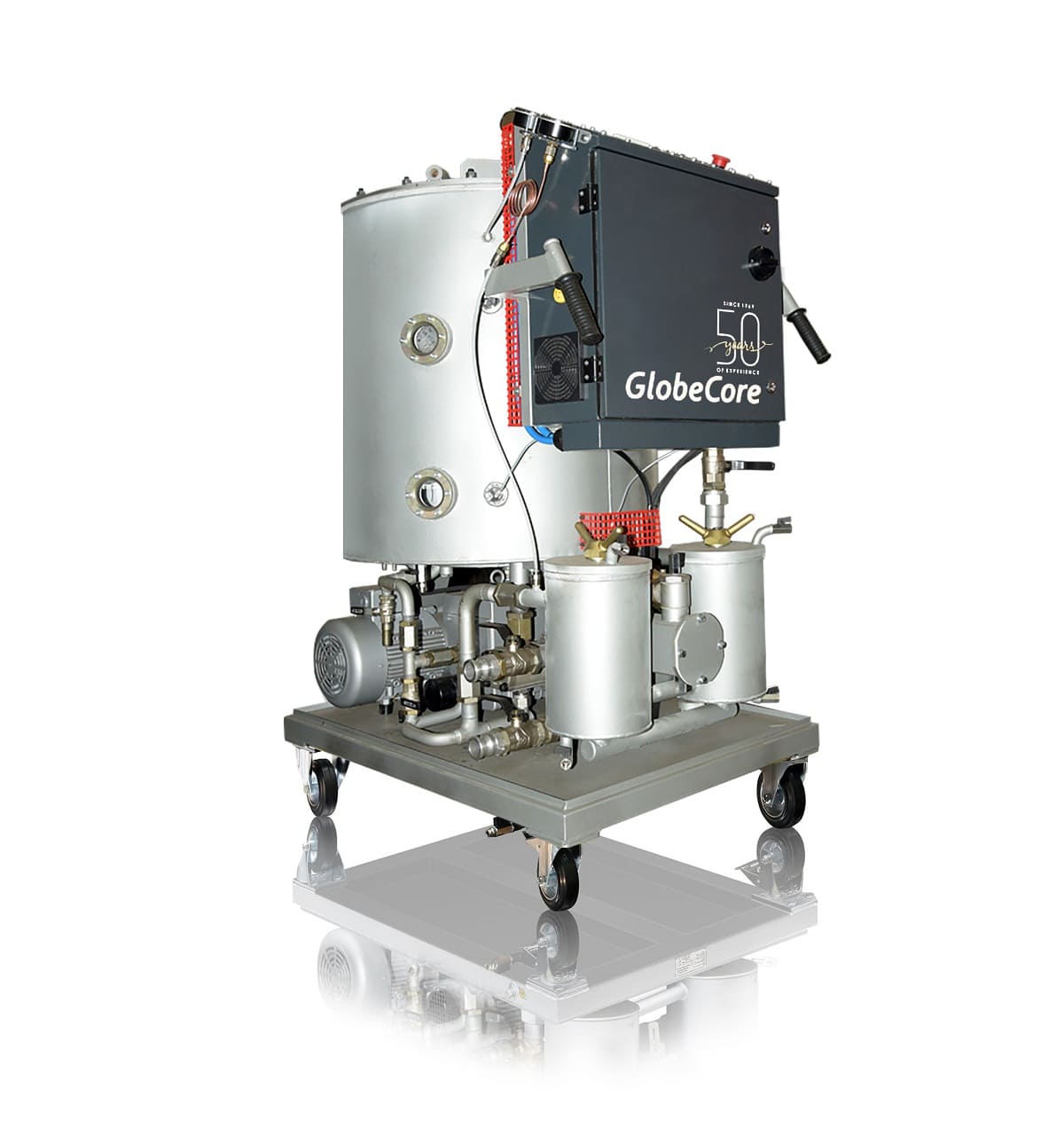
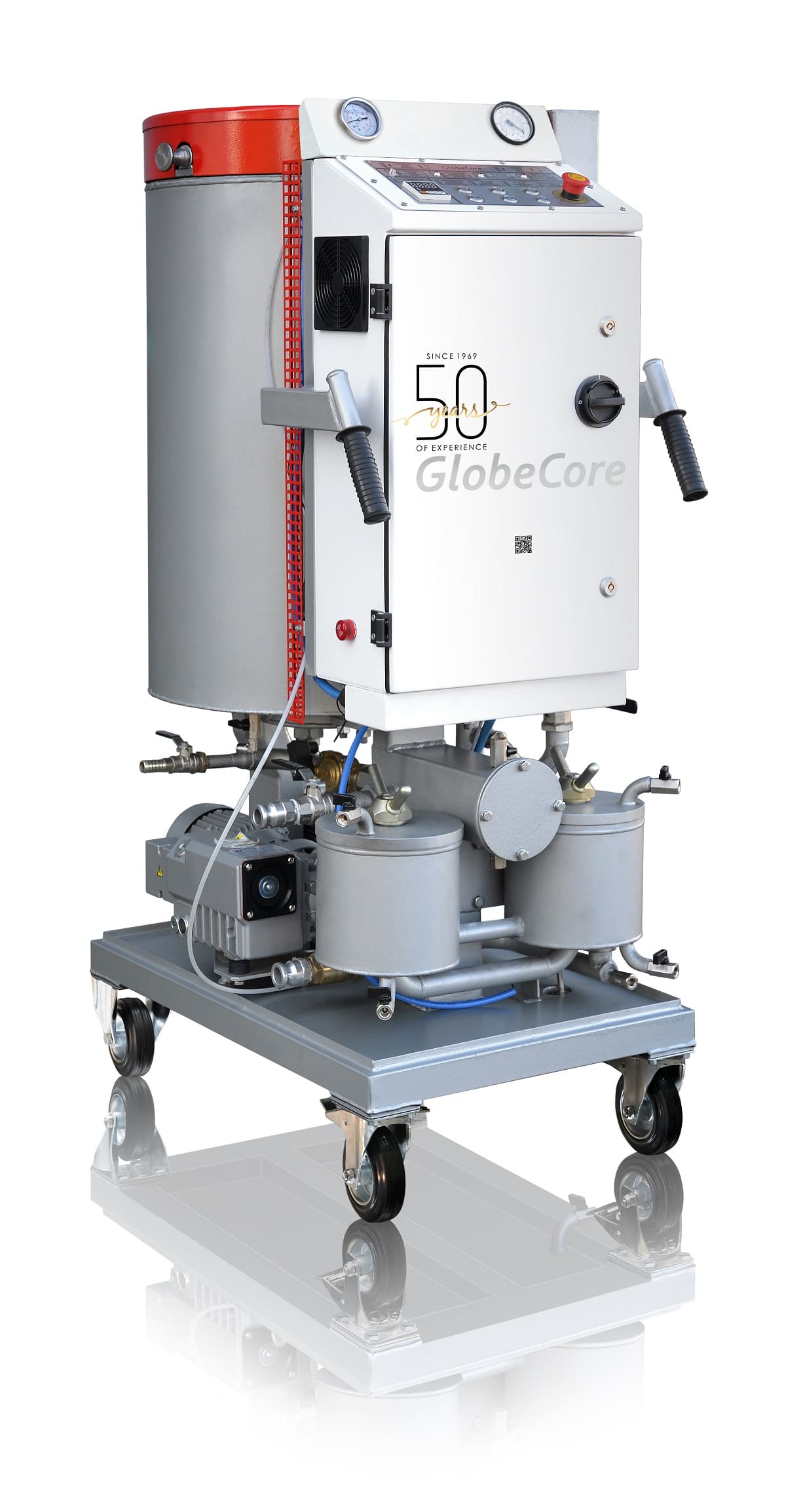
The treatment of natural ester-based insulating fluids involves selecting appropriate purification methods based on the fluid’s condition and the contaminants present. Because natural esters differ from mineral transformer oils in viscosity, moisture behavior, and oxidation characteristics, treatment equipment must be configured to accommodate these properties.
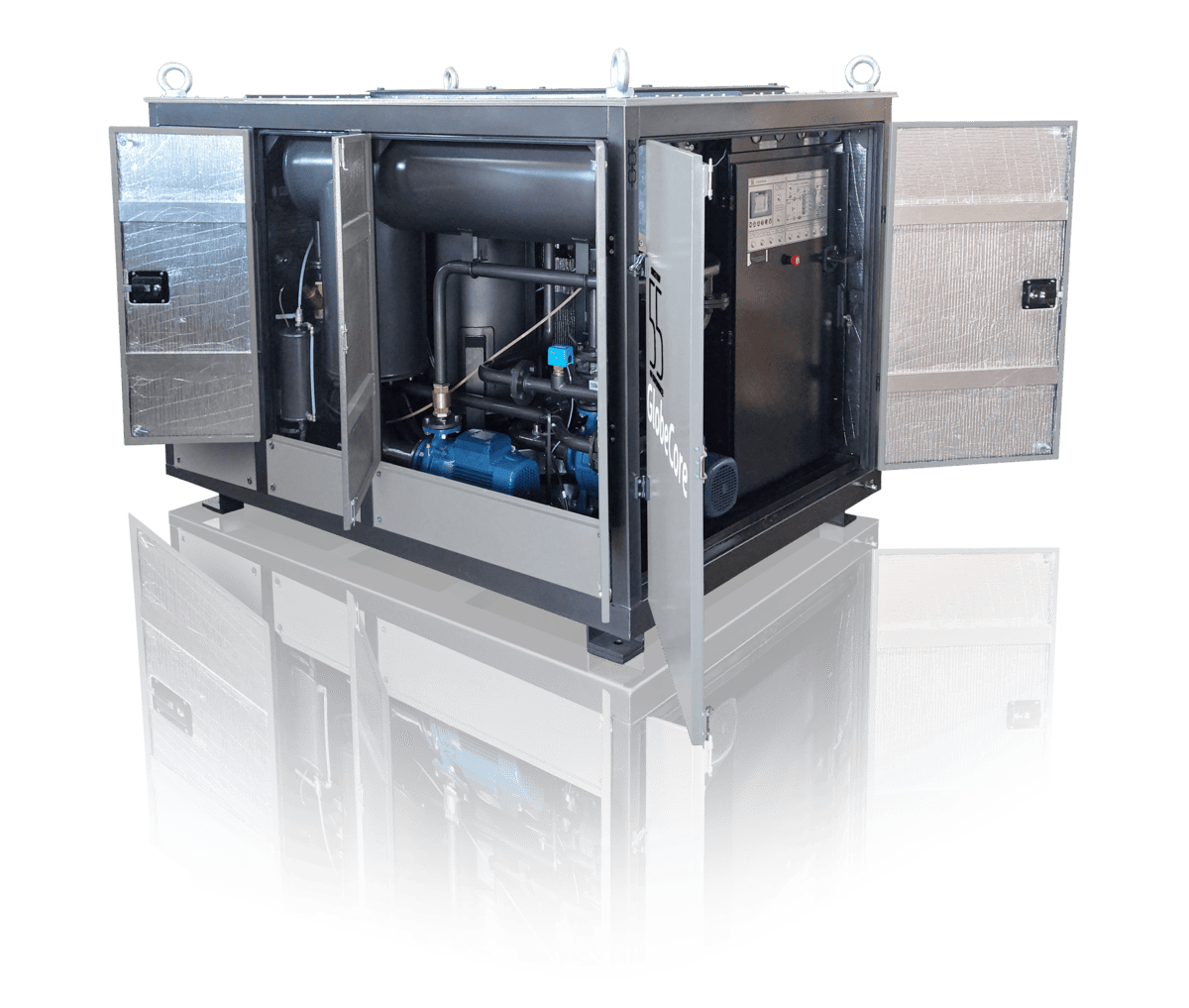
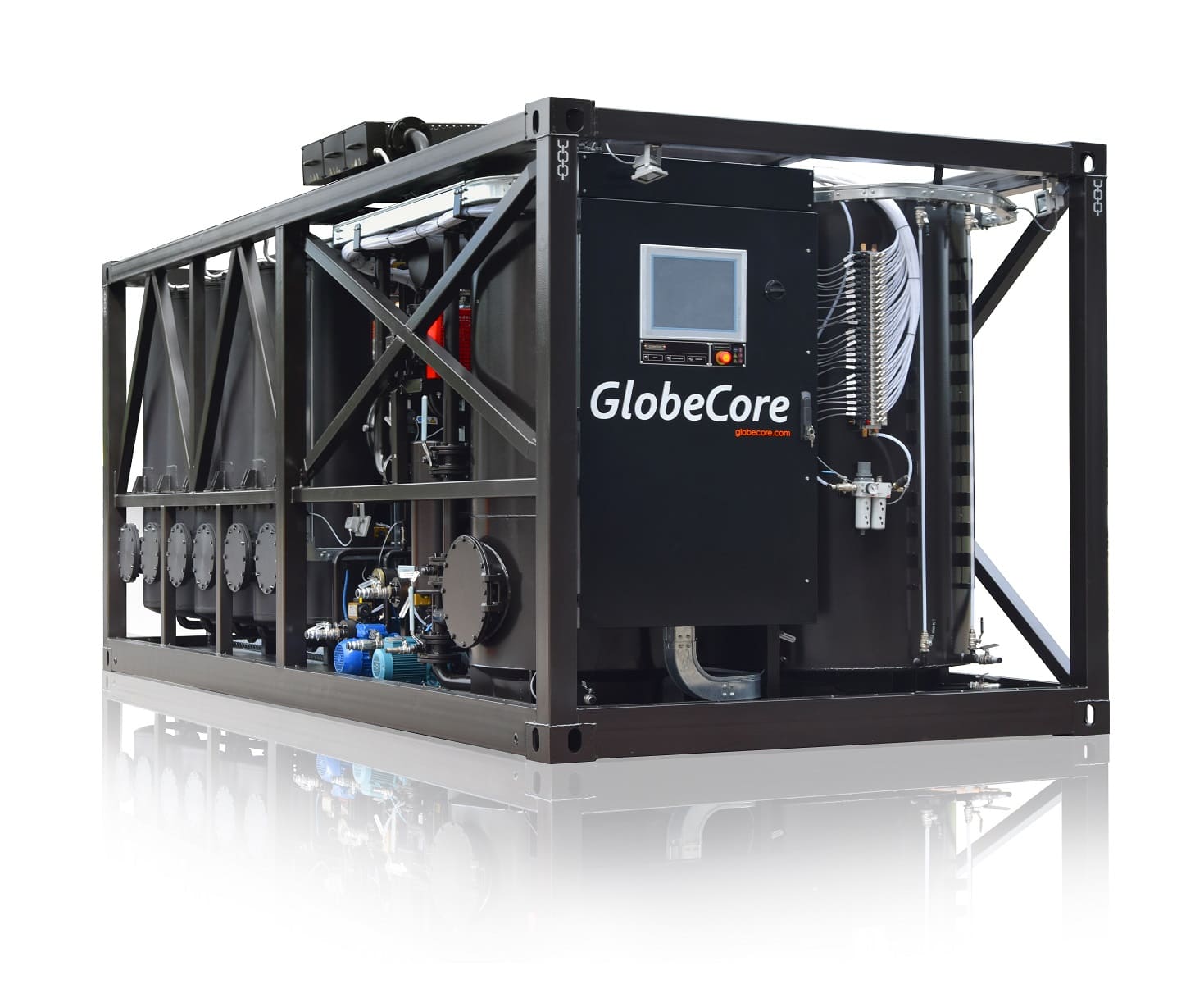
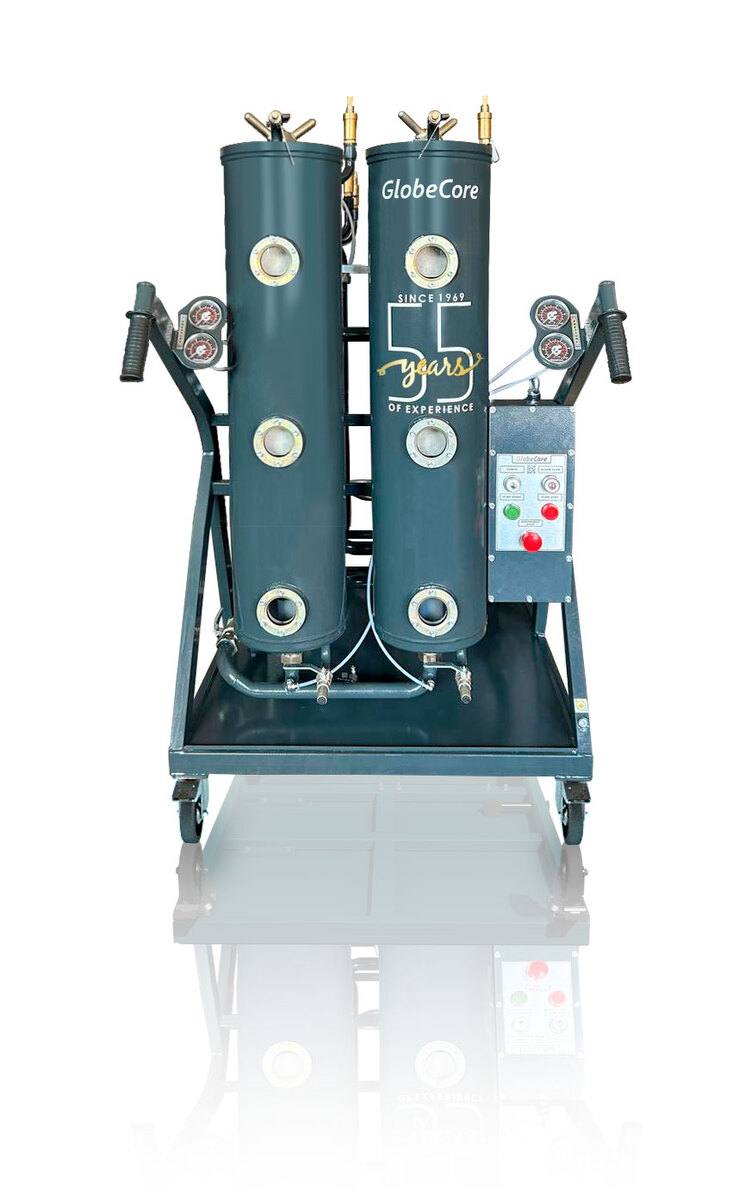
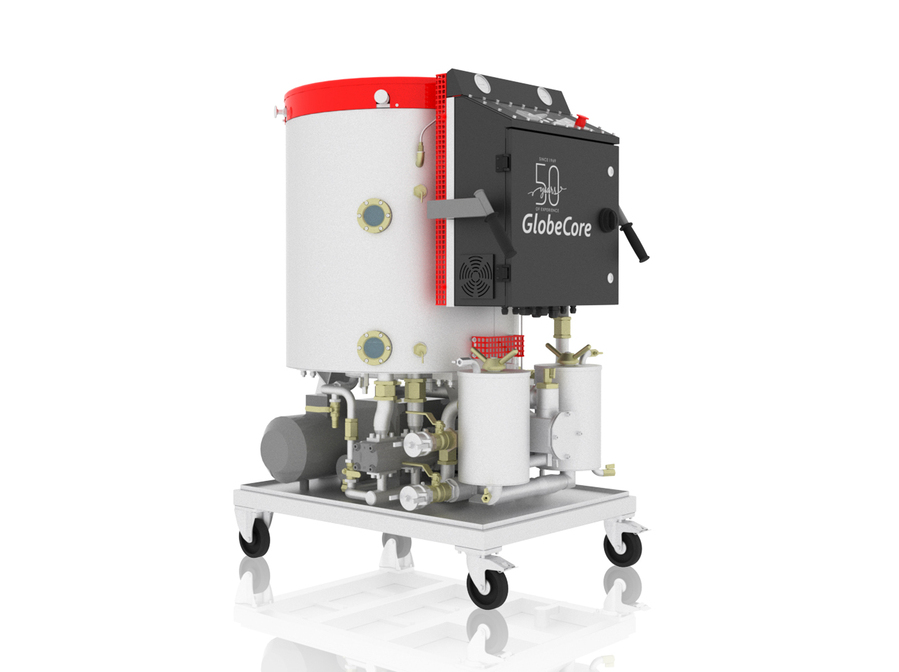
Vacuum drying is used to remove moisture from the insulating fluid, while vacuum degassing reduces the concentration of dissolved gases. Fine filtration removes suspended solid particles and other mechanical impurities. When fluid aging has caused deterioration of certain chemical properties, additional treatment methods may be considered, provided they are compatible with the fluid and supported by appropriate testing.
Application Process
The treatment process begins with an assessment of the insulating fluid’s condition. Samples are analyzed to determine moisture content, dielectric strength, acidity, dissolved gases, and contamination levels. Based on the results, suitable treatment methods and operating parameters are selected.
The fluid is then circulated through the treatment equipment, where moisture, gases, and solid impurities are removed using the appropriate processing stages. Depending on the transformer design, operating conditions, and safety requirements, treatment may be performed with the transformer disconnected from service or under specifically approved operating procedures.
After processing, the fluid is tested again to verify that the required quality parameters have been achieved. This approach helps maintain transformer reliability while reducing unnecessary fluid replacement.
Why Choose Natural Ester Insulating Fluid Treatment?
Treating natural ester-based insulating fluids helps maintain the performance of transformers while supporting environmental and economic objectives. These fluids are produced from renewable raw materials and generally offer higher biodegradability than conventional mineral transformer oils.
Regular monitoring and appropriate purification help preserve fluid quality, reduce the accumulation of contaminants, and extend operating life. In many applications, maintaining the existing insulating fluid can be more economical than replacing it entirely.
However, the effectiveness of treatment depends on the fluid’s condition, the contaminants present, and the technology used. Equipment compatibility and appropriate processing parameters are essential for achieving reliable results.
Real-World Applications
Natural ester-based insulating fluids are used in power distribution networks, industrial facilities, and renewable energy installations. Their high fire points and environmental characteristics make them suitable for transformers installed in locations with increased fire safety and environmental protection requirements.
In electrical substations, proper fluid treatment helps maintain dielectric performance and supports reliable transformer operation. Industrial facilities can benefit from periodic purification by reducing contamination-related risks and maintaining the quality of insulating fluids.
Renewable energy facilities, including wind and solar power installations, also use transformers that require regular fluid condition monitoring. Appropriate maintenance and treatment of natural ester-based insulating fluids help support reliable operation under varying electrical loads and environmental conditions.
Conclusion
Natural ester insulating fluid treatment is an important part of maintaining reliable and efficient transformer operation. By removing moisture, dissolved gases, and solid contaminants, appropriate purification technologies help preserve dielectric properties and extend fluid service life.
Regular fluid analysis, properly selected treatment methods, and compatible processing equipment allow operators to maintain insulating fluid quality, reduce maintenance costs, and support the long-term reliability of electrical infrastructure.