When it comes to technological innovation in the energy industry, attention is often focused on major developments, such as advanced generators, new energy storage technologies, and renewable energy solutions. However, improvements in the reliability, safety, and environmental performance of electrical equipment can also be achieved by replacing conventional mineral transformer oil with natural ester-based insulating fluids.
These plant-derived dielectric fluids offer several advantages in terms of environmental compatibility, fire safety, and transformer operation. Their high fire points, biodegradability, and dielectric properties make them an alternative to conventional mineral insulating oils. In this article, we examine the characteristics, operating requirements, maintenance procedures, and purification methods associated with natural ester-based insulating fluids.
Main Characteristics of Natural Ester-Based Insulating Fluids
Natural ester-based insulating fluids are produced primarily from vegetable oils and differ from conventional mineral transformer oils in several important characteristics:
- High flash point: Natural ester-based insulating fluids generally have significantly higher flash points than conventional mineral transformer oils. Depending on their composition, flash points can exceed 300°C. This characteristic helps reduce the risk of fire during transformer operation and under abnormal temperature conditions.
- Thermal performance: Natural ester-based insulating fluids provide effective electrical insulation and heat transfer. Their thermal properties, together with their interaction with cellulose insulation, can offer advantages in certain transformer applications. However, permissible loading depends on transformer design, cooling conditions, and operating temperature limits.
- Biodegradability and environmental compatibility: Due to their plant-based composition, natural ester insulating fluids are generally readily biodegradable and can have a lower environmental impact than conventional mineral oils. Nevertheless, spills must still be prevented and handled according to applicable environmental requirements.
- Oxidation stability and aging resistance: The oxidation stability of natural ester-based insulating fluids depends on their composition, additive package, temperature, and exposure to oxygen. Appropriate operating conditions and regular monitoring help limit fluid degradation and maintain transformer reliability.
- Dielectric strength: Natural ester-based insulating fluids provide the dielectric properties required for electrical insulation when their moisture content, contamination level, and other characteristics are maintained within acceptable limits.
These characteristics make natural ester-based insulating fluids a suitable alternative to mineral transformer oils in applications where fire safety, environmental performance, and reliable electrical insulation are important.
Operating Characteristics of Natural Ester-Based Insulating Fluids
Natural ester-based insulating fluids have specific operating characteristics that must be considered when they are used in power transformers. One important factor is their generally higher viscosity compared with mineral insulating oils, particularly at low temperatures. Increased viscosity can affect fluid circulation and heat transfer within the transformer, making it necessary to consider the operating temperature range and cooling system design.
In cold climates, special operating procedures may be required depending on the fluid formulation and transformer design. These may include controlled startup conditions or preheating where specified by the equipment manufacturer. The purpose of such measures is to ensure adequate fluid circulation and cooling during transformer operation.
The operation and maintenance of transformers filled with natural ester-based insulating fluids also differ in certain respects from those using mineral oils. Natural esters generally have a higher moisture saturation limit and interact differently with cellulose insulation. These properties must be considered when interpreting moisture measurements, evaluating insulation condition, and determining appropriate maintenance procedures.
Regular monitoring remains essential for maintaining the quality of natural ester-based insulating fluids. Periodic testing of moisture content, dissolved gases, dielectric strength, acidity, and particulate contamination helps assess fluid condition and identify potential transformer problems. Test results should be interpreted using criteria appropriate for the particular type of insulating fluid.
Maintenance and Handling of Natural Ester-Based Insulating Fluids
Maintaining transformers filled with natural ester-based insulating fluids requires consideration of their physical and chemical properties. Particular attention should be paid to temperature conditions, fluid viscosity, moisture content, and exposure to oxygen. In low-temperature environments, increased viscosity may affect circulation and cooling performance.
Maintenance procedures include periodic analysis of moisture, dissolved gases, acidity, dielectric strength, and mechanical impurities. Although natural ester-based insulating fluids can offer advantages in terms of moisture management and environmental compatibility, they remain susceptible to contamination and aging. Maintenance intervals should therefore be established according to operating conditions, fluid test results, and equipment manufacturer recommendations.
When contamination is detected, appropriate treatment methods can be applied to improve fluid quality. Vacuum drying and degassing, controlled heating, and fine filtration may be used to remove moisture, dissolved gases, and solid particles. Treatment parameters must be selected with consideration for the viscosity, thermal characteristics, and oxidation sensitivity of natural ester-based insulating fluids.
Economic Benefits of Replacing Mineral Transformer Oil with Natural Ester-Based Insulating Fluids
When considering the replacement of mineral transformer oil with natural ester-based insulating fluids, both initial investment and long-term operating costs should be evaluated. Natural ester fluids may have a higher purchase price than conventional mineral oils. However, their higher fire points, biodegradability, and suitability for certain transformer applications can provide economic and operational advantages.
Depending on the application, the use of natural ester-based insulating fluids may help reduce certain fire protection requirements and environmental risks. Potential economic benefits depend on equipment design, installation conditions, maintenance requirements, and applicable safety standards. When retrofilling existing transformers, compatibility with insulating materials, seals, residual mineral oil, and cooling system performance must also be assessed.
GlobeCore Equipment for Processing Natural Ester-Based Insulating Fluids
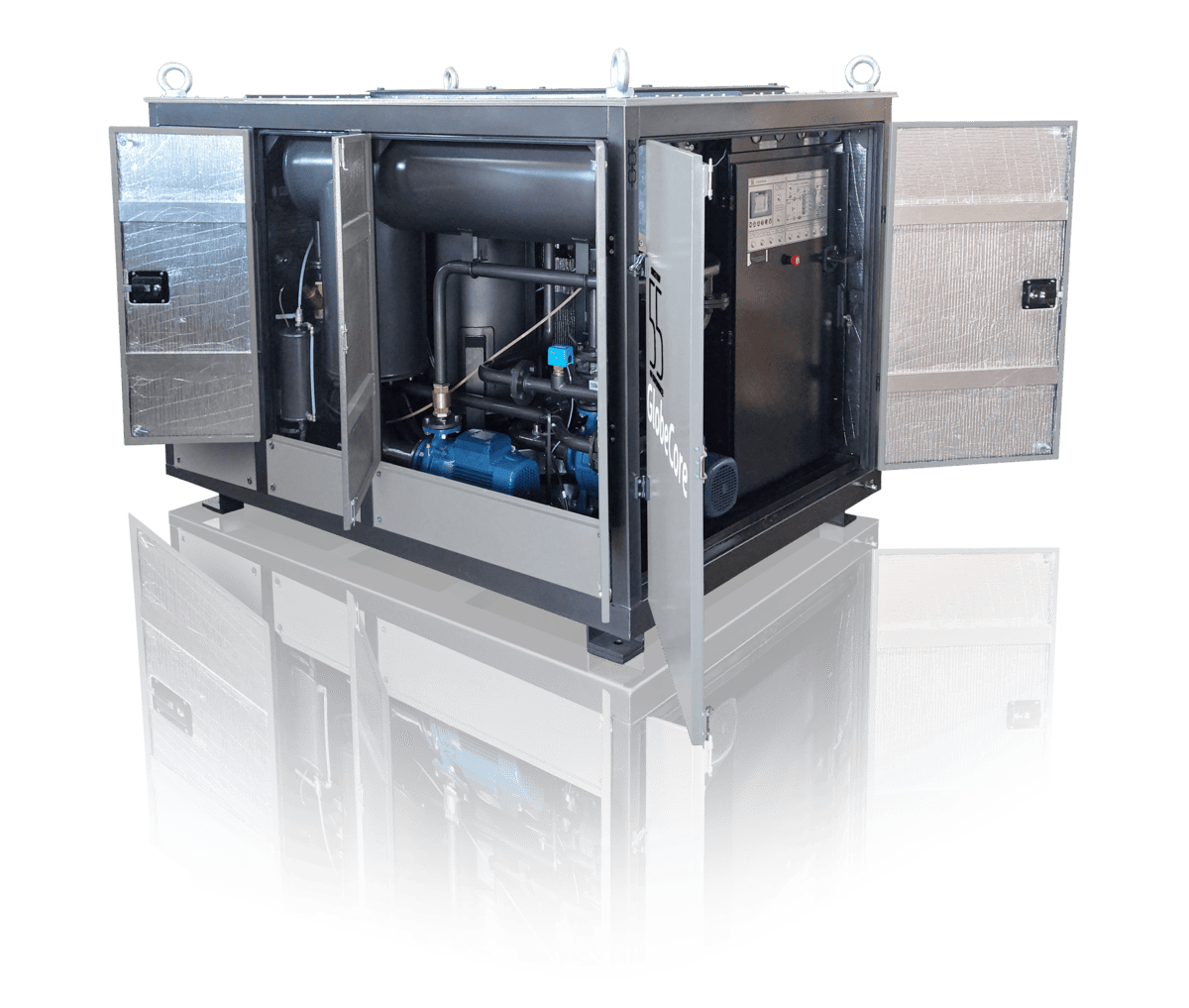
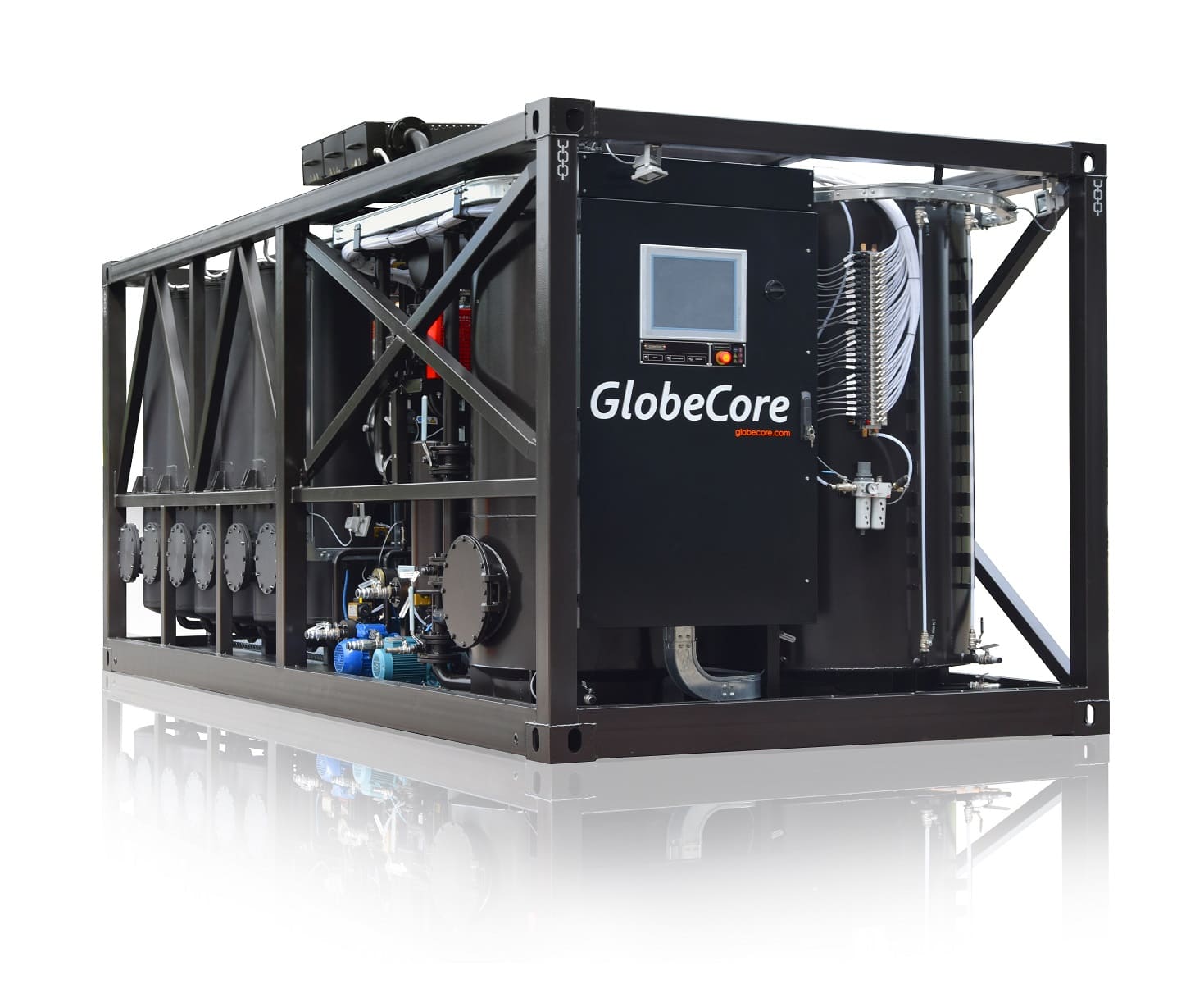
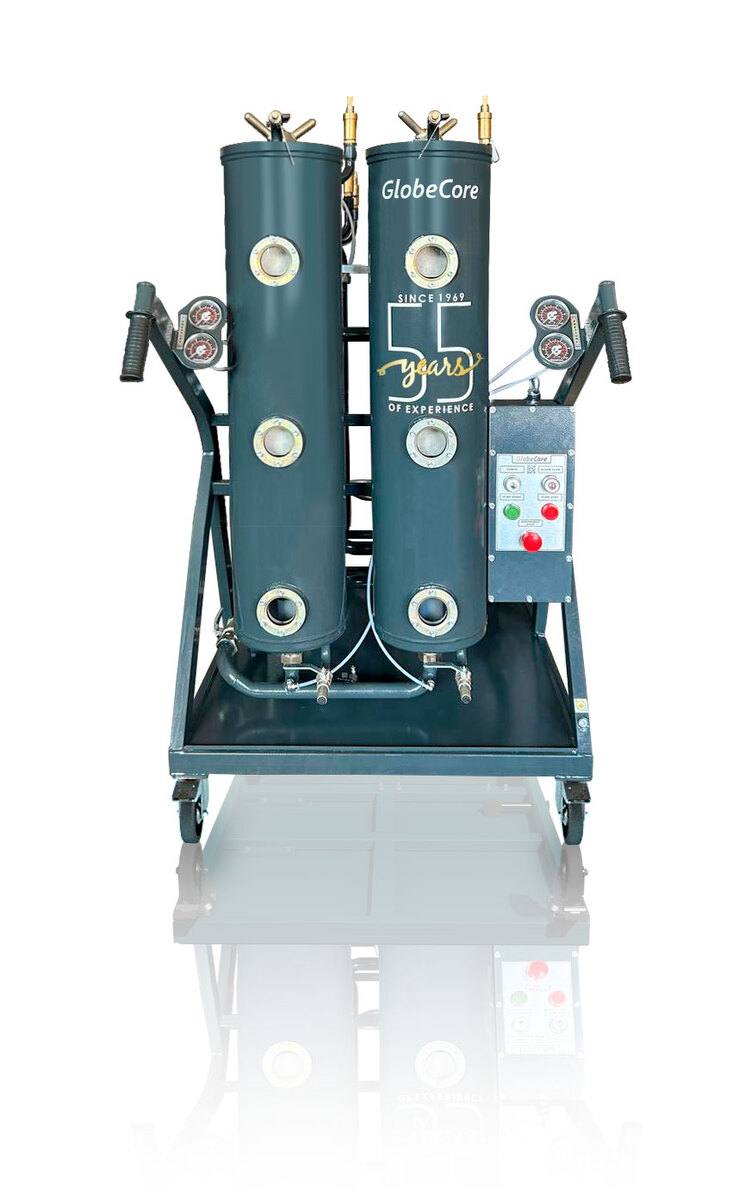
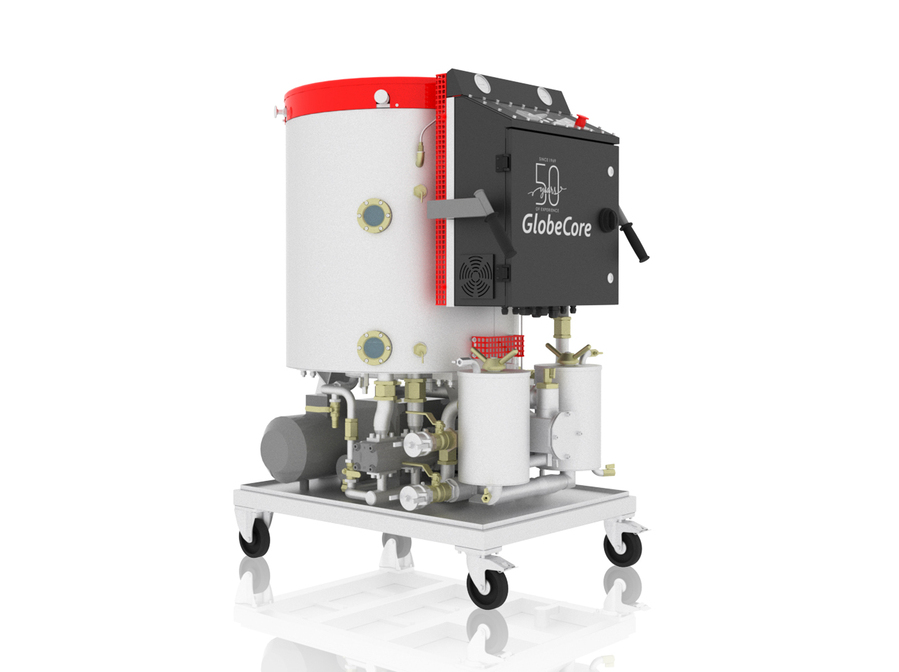
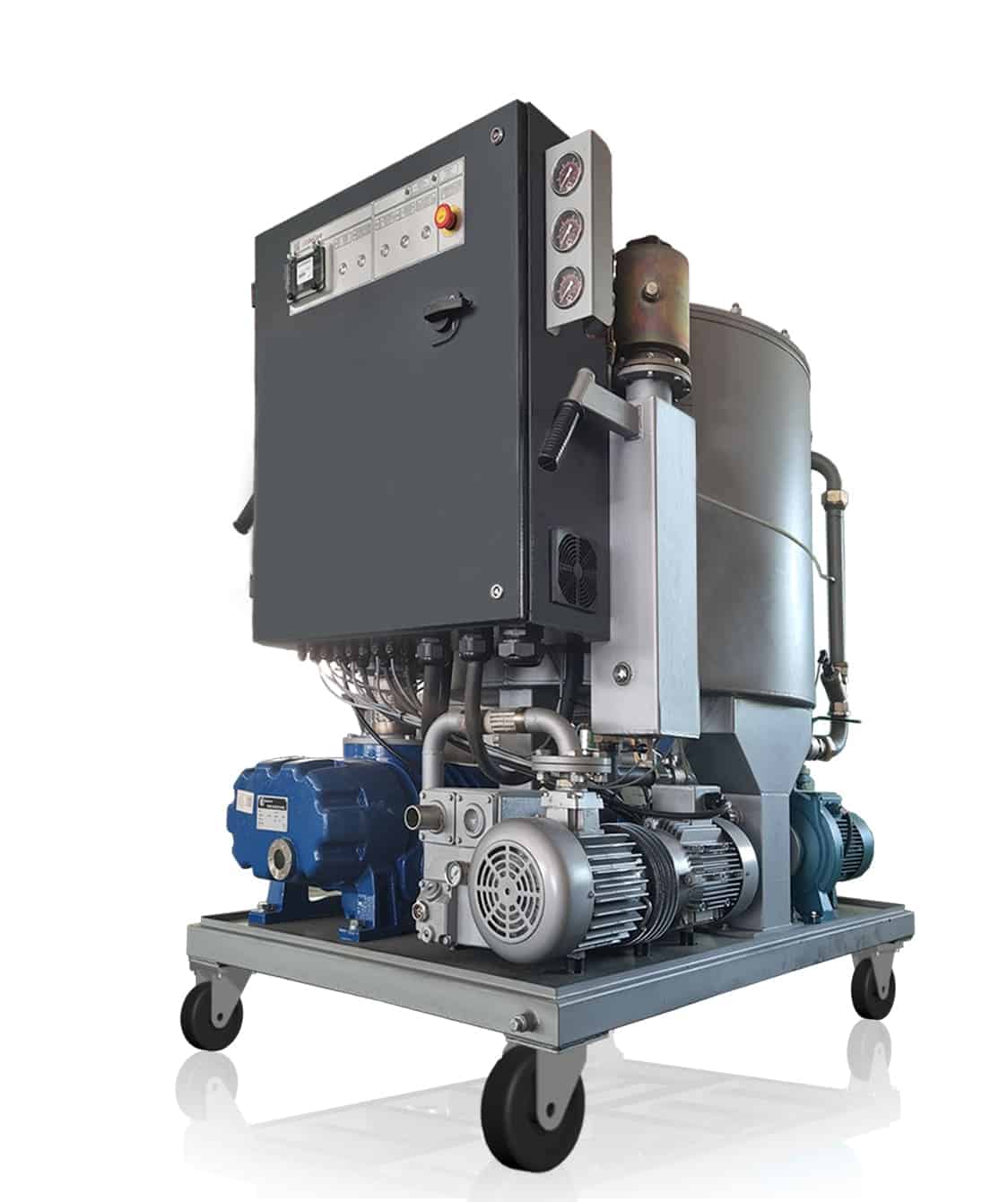
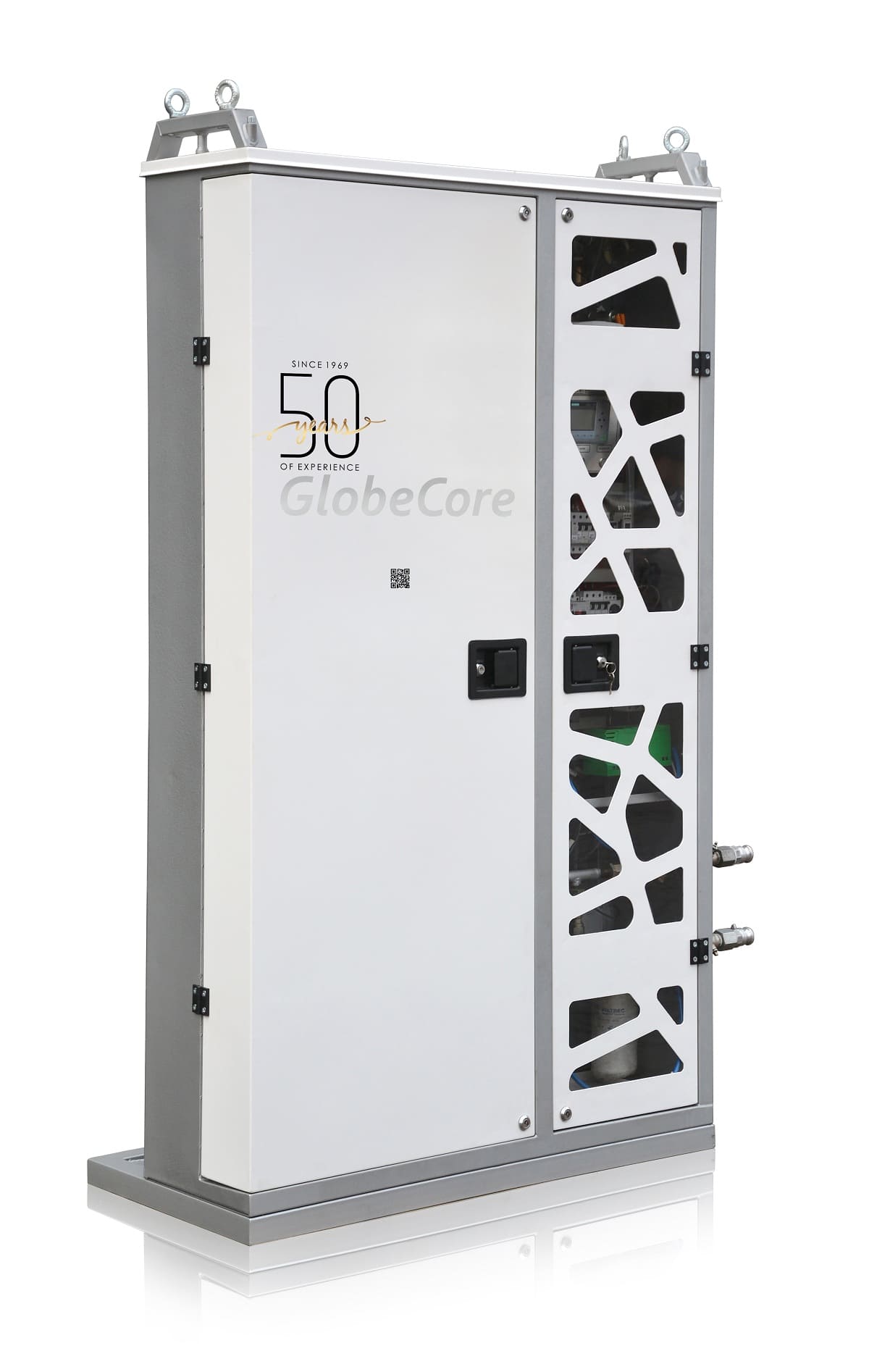
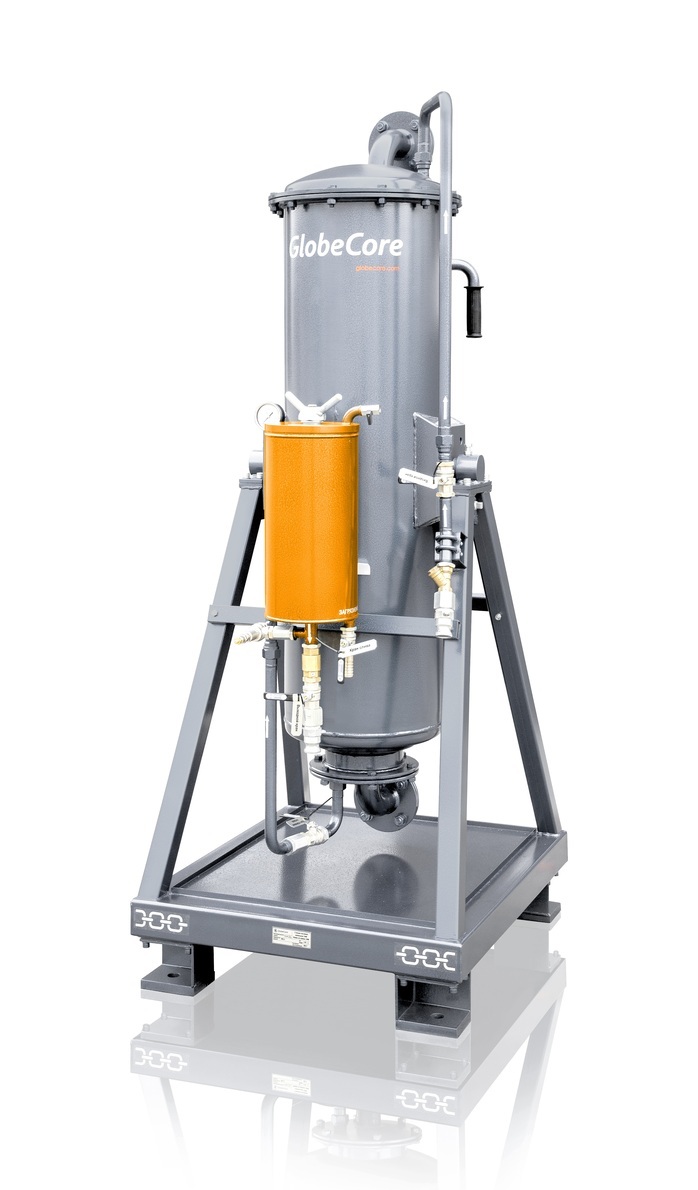
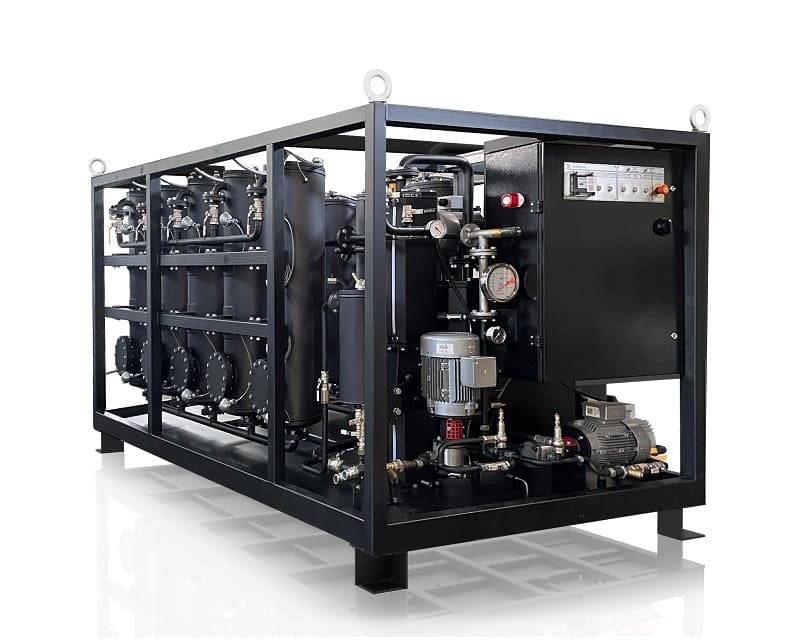
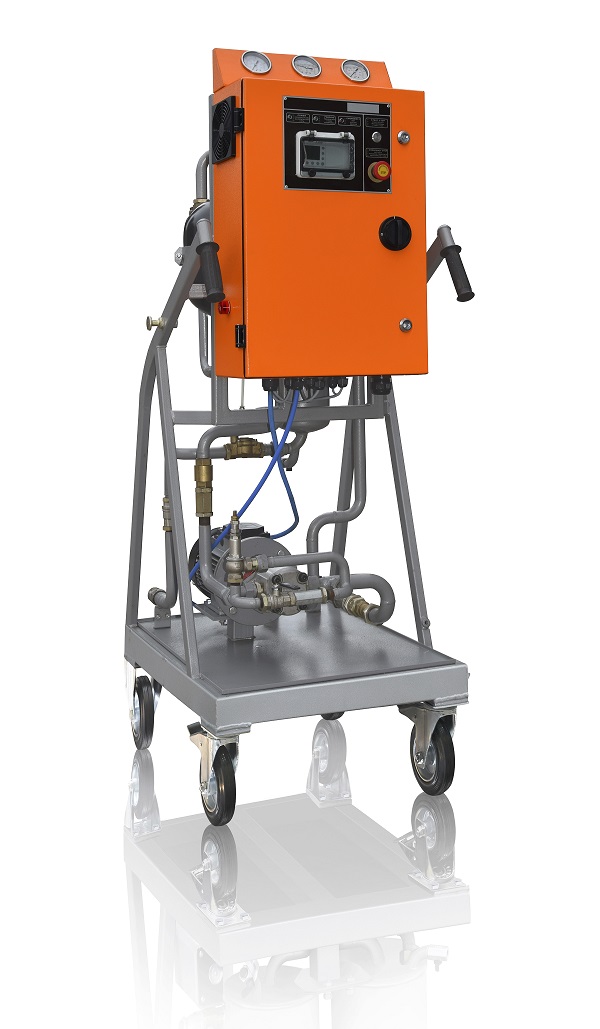
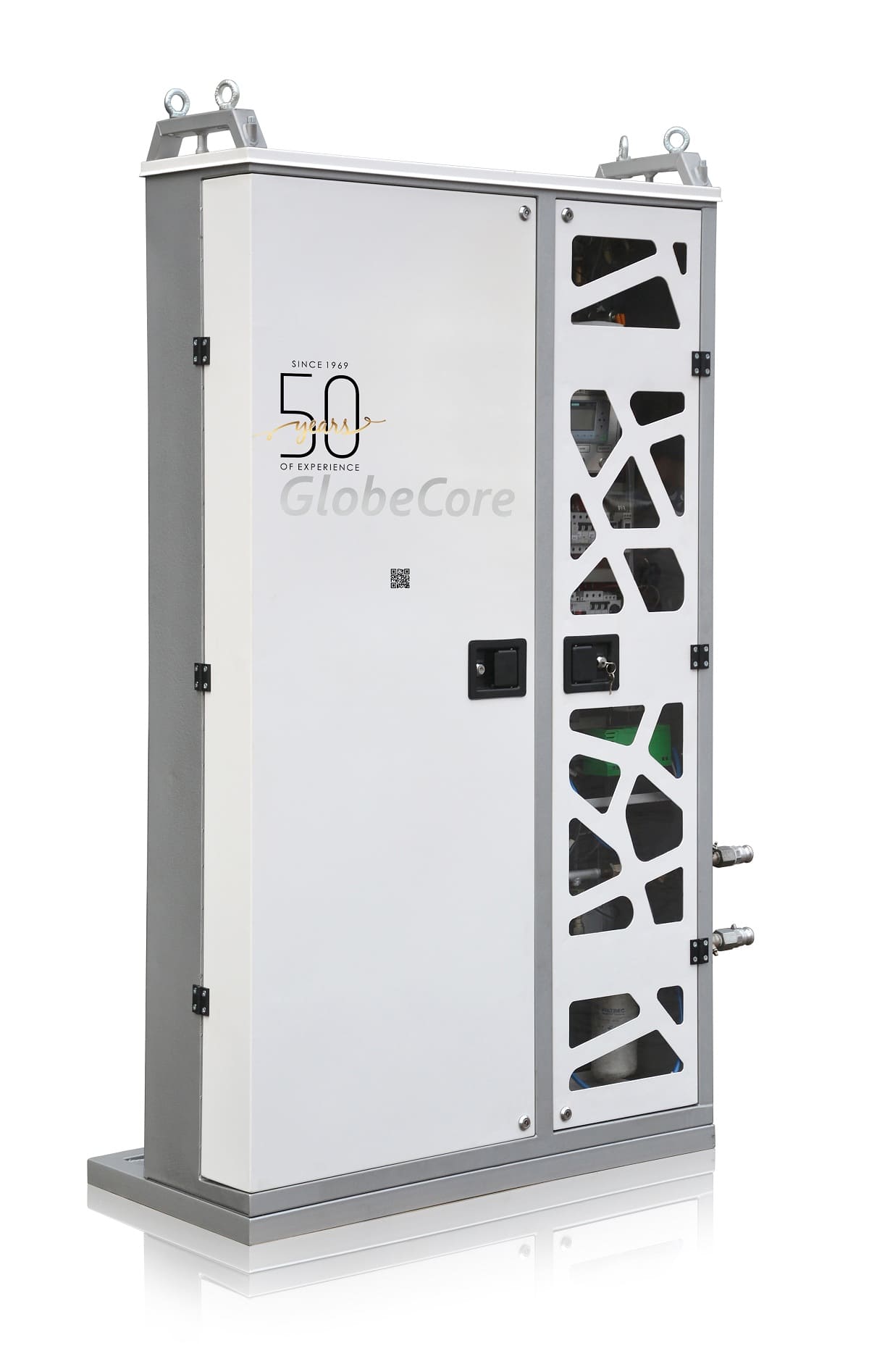
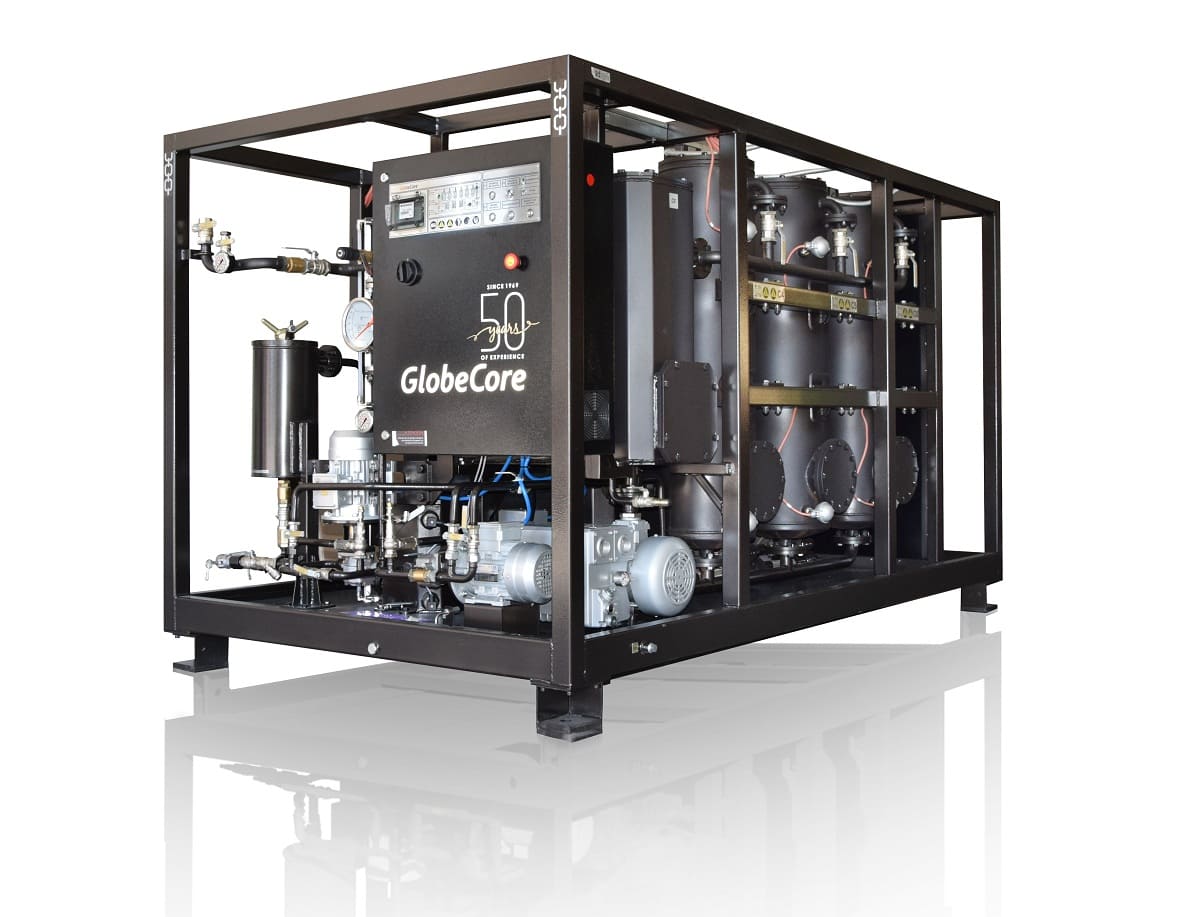
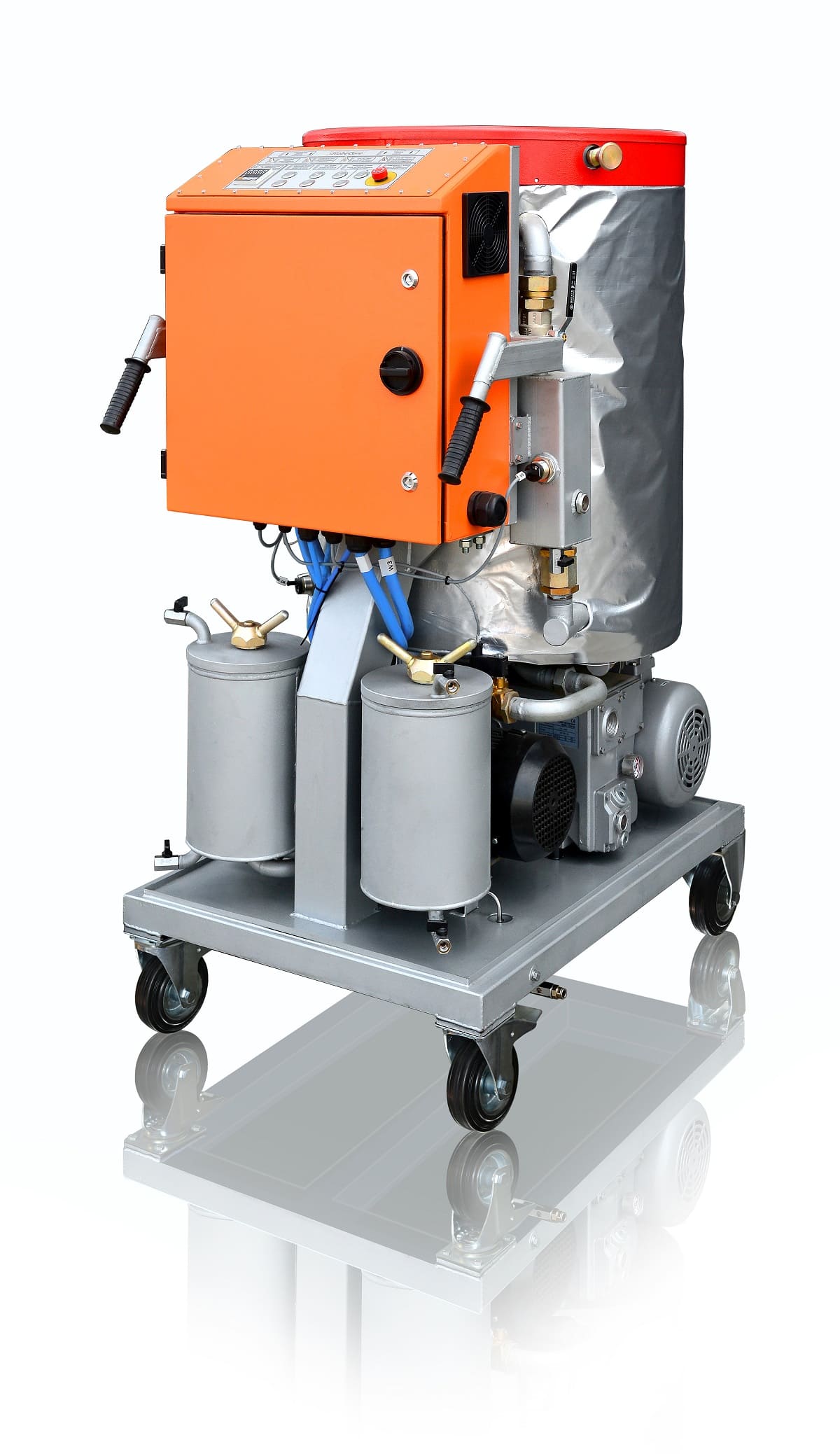
GlobeCore offers a range of equipment for transformer insulating fluid processing that can be adapted to specific operating requirements. In particular, the CMM-4/7 and CMM-6/7 units, originally designed for processing transformer oils, can be modified for the treatment of natural ester-based insulating fluids.

The main capabilities of the CMM-4/7 and CMM-6/7 units include:
- Moisture and gas removal: Both units use vacuum treatment systems designed to remove moisture and dissolved gases from insulating fluids. When properly configured for natural ester-based liquids, this treatment helps improve fluid quality and maintain the dielectric properties required for reliable transformer operation.
- Filtration: The units incorporate filtration systems that remove solid contaminants from insulating fluids, helping maintain fluid cleanliness and reduce the risk of equipment damage caused by particulate contamination.
- Application flexibility: The units can be adapted to different operating conditions and treatment requirements, providing flexibility for transformer maintenance and insulating fluid processing.
In their standard configuration, the CMM-4/7 and CMM-6/7 units are not necessarily equipped with seals specifically selected for natural ester-based insulating fluids. However, GlobeCore can modify these units by installing compatible sealing materials. The selection of appropriate seals is important for ensuring chemical compatibility, preventing leaks, and maintaining reliable operation during the processing of natural ester-based insulating fluids. Additional equipment modifications and treatment parameters may be required depending on the characteristics of the fluid being processed.