Power transformers are an important link in electrical power supply systems. They allow connecting the grid sections of different voltages and reducing the electricity losses during electricity transmission over great distances.
A sudden failure of even one transformer causes the entire neighborhoods to remain without electricity. For this to happen as seldom as possible, maintenance of transformers is required. Transformer servicing shall be carried out with certain periodicity. But this periodicity may vary depending on the current status of transformer that is determined by diagnostic methods.
Causes of transformer emergencies
Causes of transformer emergencies may differ. It is difficult to collect statistics on a worldwide scale, but William Bartley’s research can be taken as a reference; he conducted this research in 2003. Bartley analyzed 94 cases of power transformer failures and identified the causes of occurred emergencies thereupon. These include (ranked from more frequent to less frequent cases):
- damaged insulation;
- design errors, defects of structural materials, installation errors;
- oil contamination;
- overloading;
- ignition/ explosion;
- mains overvoltage;
- maintenance errors;
- ingress of water;
- poor contacts;
- lightning stroke;
- insulation wetness.
Some causes may be related. For example, solid insulation wetness reduces the dielectric strength and leads to a breakdown. Therefore, the moisture content in transformer insulation must be monitored. Insulation is classified into solid (paper) and liquid (oil). Measurements for each type of insulation have their own specificity.
Detection of moisture content in solid insulation
 Detection of moisture content in solid insulation is carried out using direct and indirect methods. The direct method requires that a sample of paper be taken with forceps when opening the active part of the transformer or put into the transformer before setting it into operation (first start-up or after repair). Once removed from the transformer, the sample of paper is sent to a laboratory for analysis. Since the moisture content often differs at different points in solid insulation, it may be necessary that a few samples of paper be taken.
Indirect method is estimation of moisture content in transformer windings insulation by moisture content in oil. For this purpose, the so-called water equilibrium curves of the oil-paper system are used. These curves show the distribution of water between paper and oil at different temperatures. The value of water content in oil expressed in grams per ton is plotted on the abscissa axis which is followed by drawing a straight line perpendicular to the ordinate axis until it intersects with the curve that corresponds to the current temperature of oil. Dropping the perpendicular from the intersection point to the ordinate axis, the water content in paper insulation can be obtained as measured in percent.
The methods using equilibrium curves can be very error-prone and require detecting the water content in liquid insulation. Let us discuss the popular Karl Fischer titration method used at many laboratories to measure the moisture content in oil.
Karl Fischer titration
The moisture content in transformer oil can be detected by the Karl Fischer method. It is one of the classical methods of detecting the unknown content of one substance in the other. Its essence involves adding a third substance the concentration of which is known. This substance is usually called a titrant. Next, the titrant interacts with the substance the concentration of which must be determined. Upon completion of interaction, the volume of the substance is determined by the volume of consumed titrant; in our case, it is water. This is an algorithm of the classical Karl Fischer method. Currently, it has modifications. In general, the method is applicable for measuring small amounts of water in oil samples; it is typically performed in a laboratory, requires the use of special equipment and the staff experience. There is an alternative to the Karl Fischer measuring method that we are going to discuss below.
TOR-1 oil moisture tester
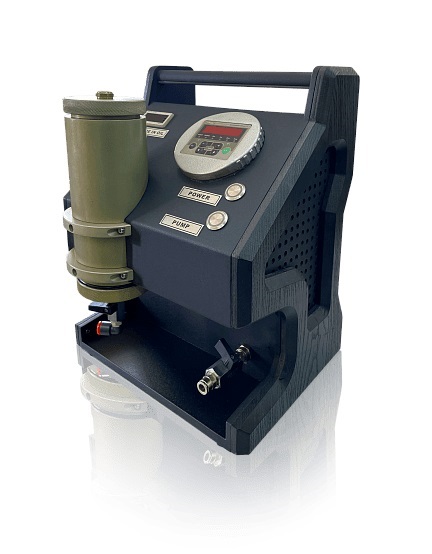
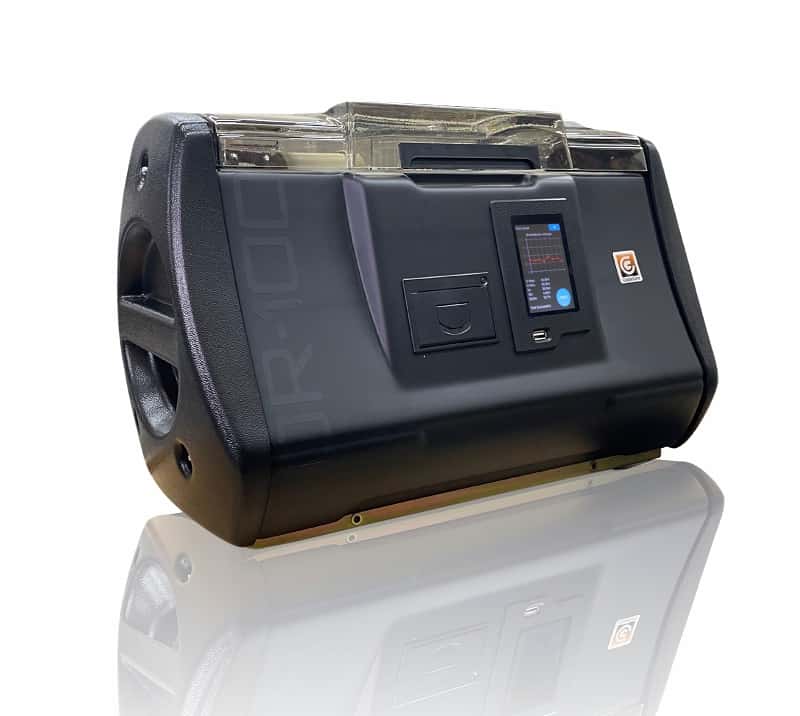
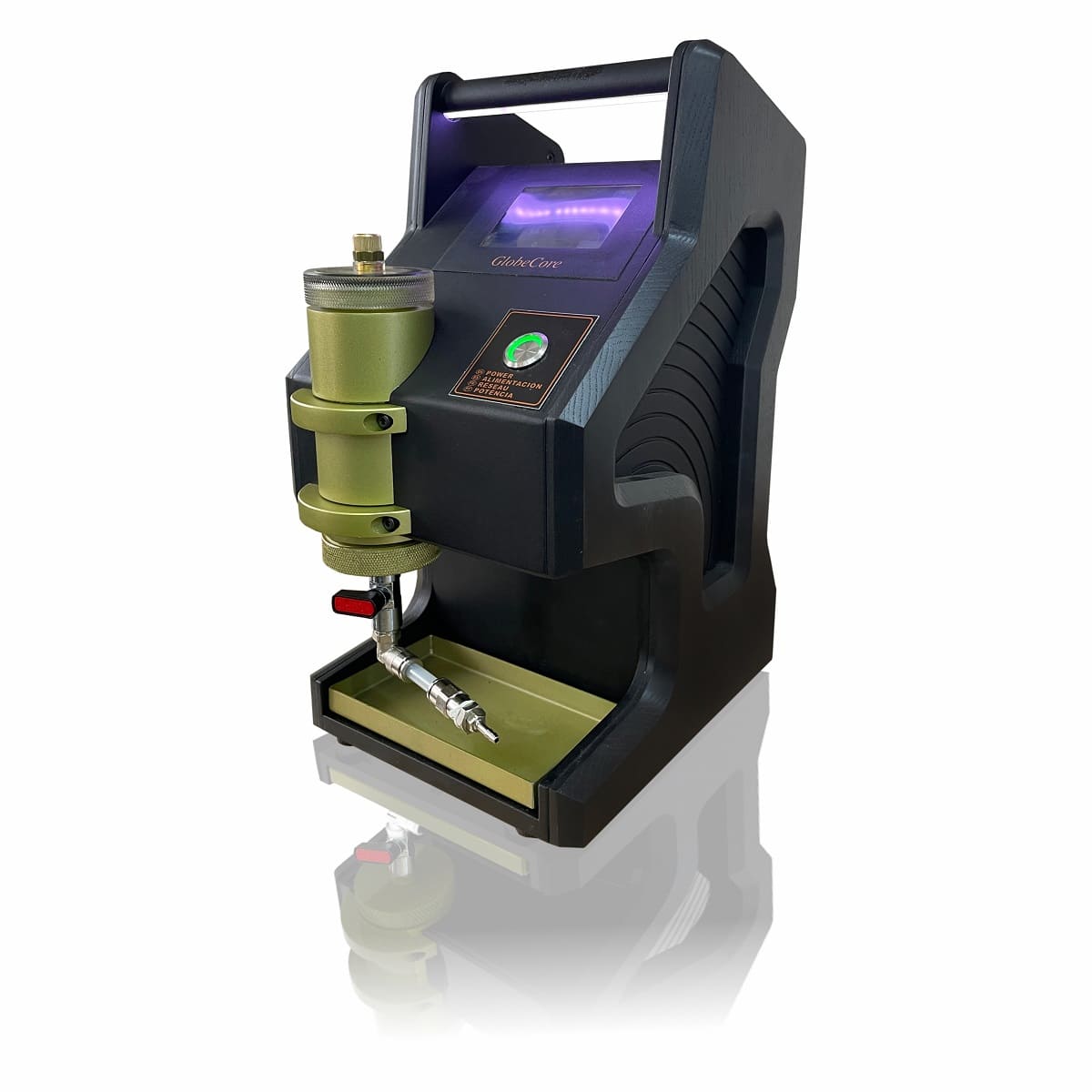
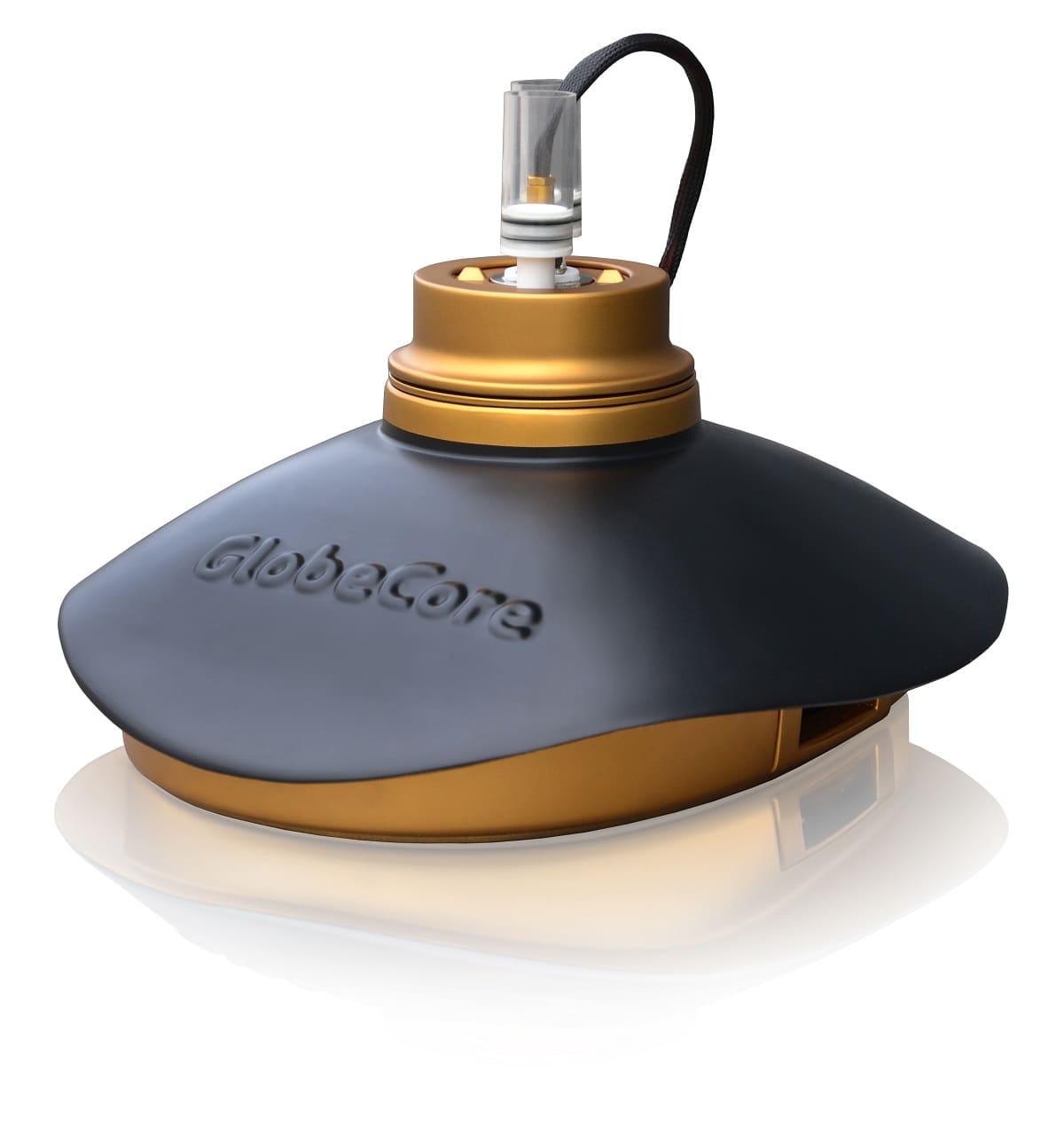
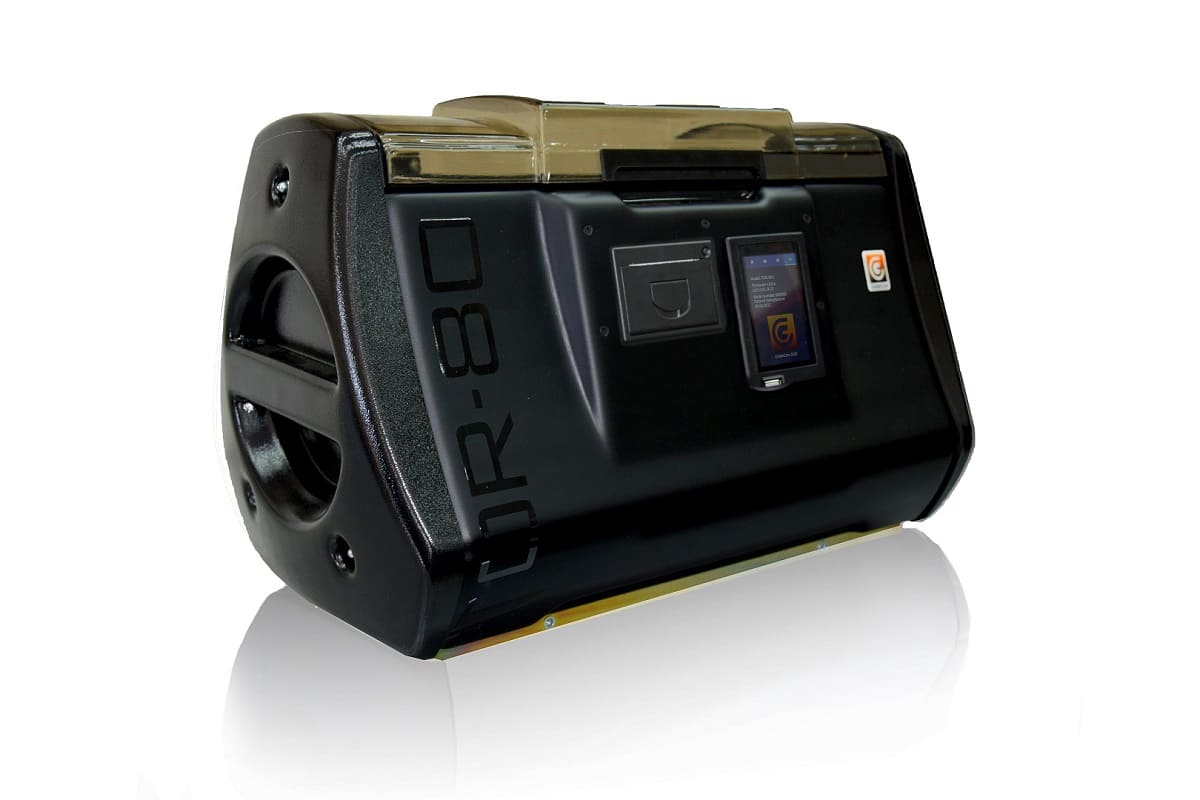
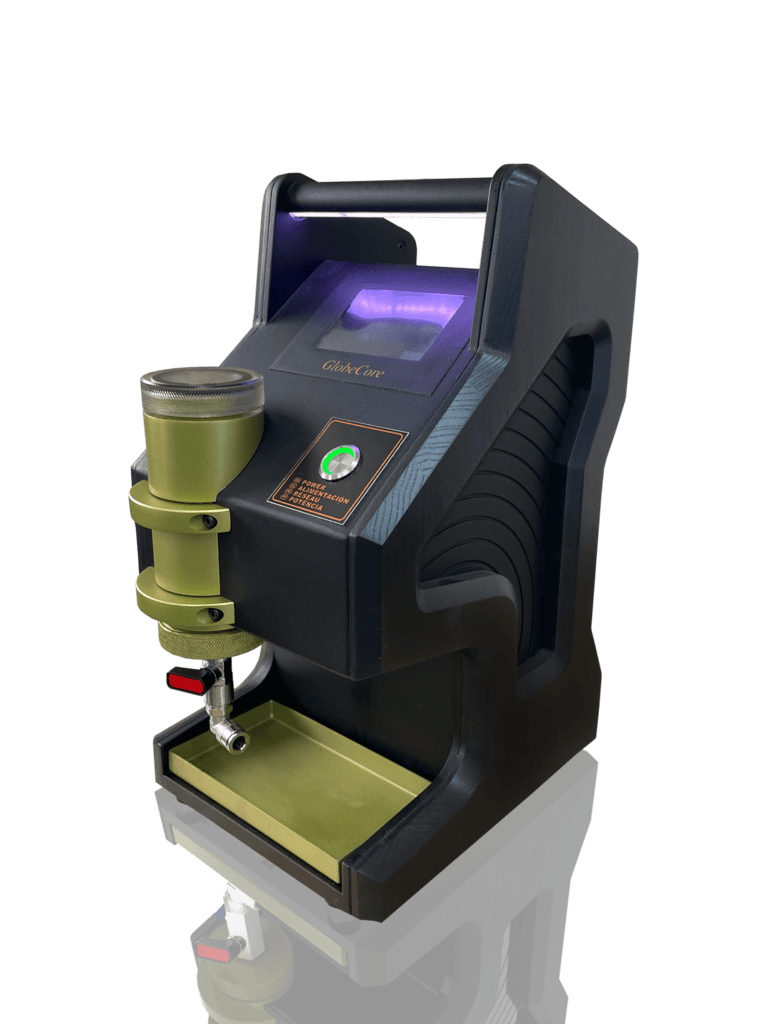
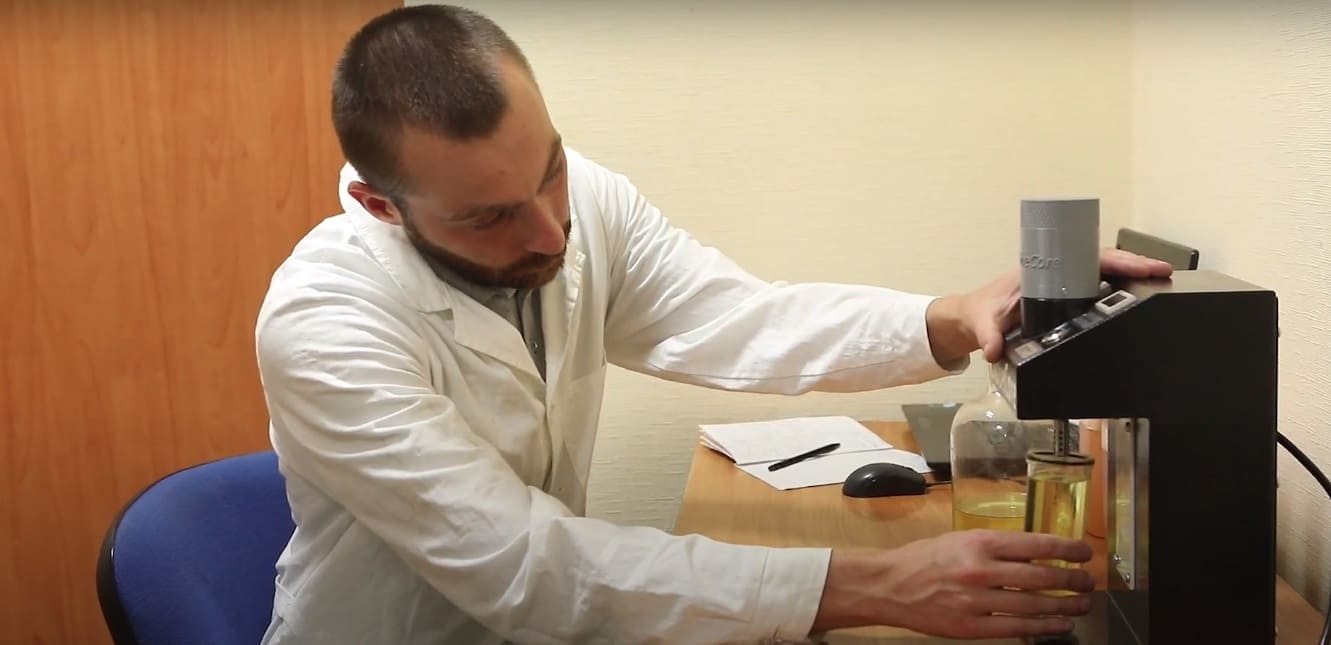
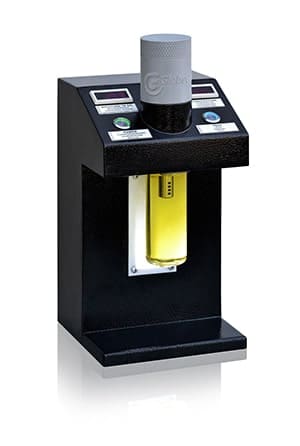 Express testing of water content in oil appears to be promising as it gives faster results. GlobeCore has developed TOR-1, a compact, portable, reliable, and easy-to-use instrument (height — 38 centimeters, length and width — 18 centimeters). TOR-1 instrument is designed to detect the mass fraction of water in insulating oils, even in small amounts. In addition to the absolute water content in ppm, the instrument measures the oil temperature. The accuracy and stability of measurements is achieved using a capacitance sensor which is insensitive to contamination that may be contained in insulating oil.
After pressing the button to start measurements, the values of moisture content and temperature are indicated. A more accurate result is available in ten minutes.
The protection class of the instrument allows testing the insulating oil near transformers in any weather, and the sensor operates at the ambient temperatures from -40 to +60 degrees Celsius. The reliability of operation is achieved through the use of metal vandal-resistant buttons, metal protection of the sensing element, stabilized power supply, and integrated protection of electrical equipment.
TOR-1 instrument saves time and reduces the labor intensity of measurements under any operating conditions. It can be used both on a standalone basis and as part of mobile laboratories for online analysis of oil in the field.
Online transformer moisture detection is of practical interest where measurements are taken automatically on a regular basis and with a certain periodicity. GlobeCore has developed this kind of technology, but we will speak about it in one of the following articles on our website.
What should be done in the event of transformer oil wetness?
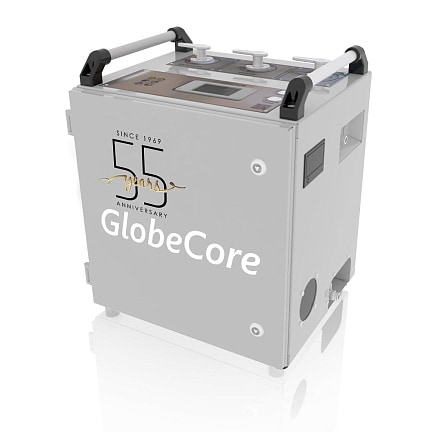
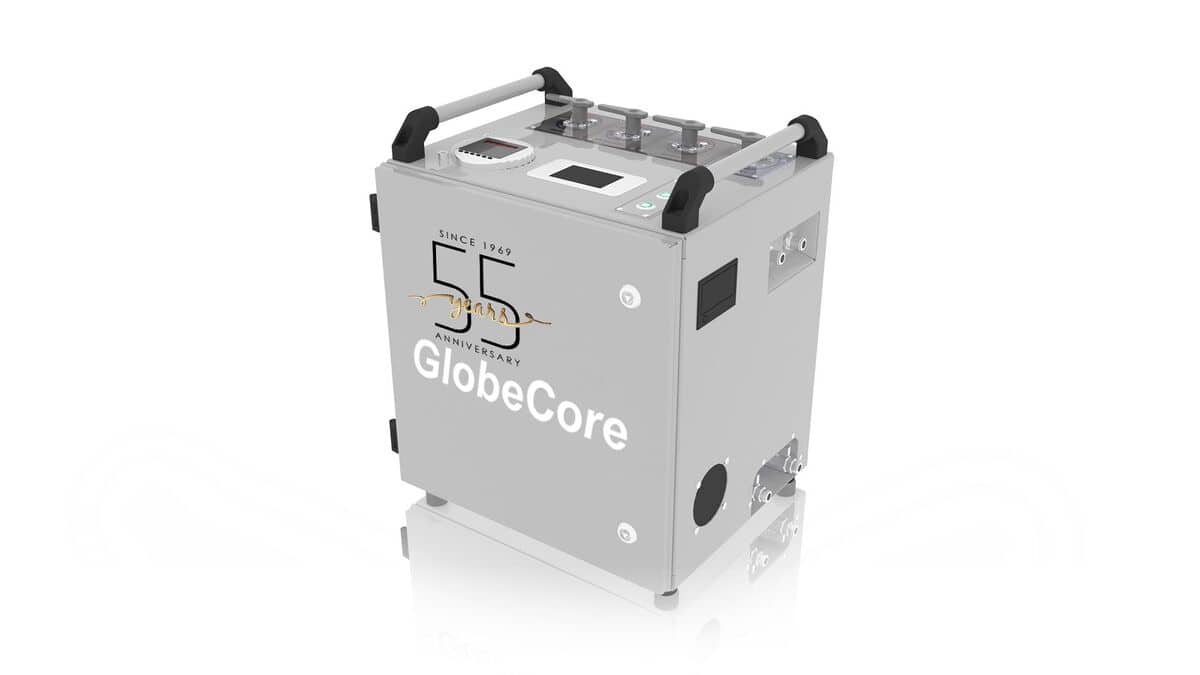
The question remains as to what should be done if the analysis of oil samples showed an excess of the standard value for the moisture content in the selected samples of insulating oil. The first solution that crosses our mind is transformer oil change. But it is not rational, because efficient drying technologies have been currently developed which allow reducing the water content to permissible values and using the oil in the transformer further on. GlobeCore produces units for drying transformer oils using zeolites, as well a high temperature and a deep vacuum.
The zeolite drying technology is represented by equipment of ZP series. This is one or two cartridges which are filled with zeolite, a substance of high activity in relation to water absorption. When pumping the oil through the cartridges, zeolite absorbs water and retains it securely in its granules. The advantages of zeolite drying are the simplicity of hardware implementation and the ability to handle the oils that contain a relatively large amount of water.
The other technology consists in heating the oil and causing the water and gas to evaporate from its surface using a deep vacuum which is created by a powerful two-stage vacuum system. The technology of thermal vacuum drying is implemented in the units of CMM series.
For more information about moisture content express testers and transformer oil drying units, please contact us using some of the contact details shown in the appropriate website section.