


The reactivation clay polishing system is environmentally conscious technology designed to restore the properties of used industrial oils and fuels. Unlike traditional systems that rely on hazardous chemicals, this system operates on the principle of adsorption using regeneratable media.
Why industries need regeneration technologies
Industrial operations, especially in sectors like metallurgy, textile production, power generation, and transportation — generate large volumes of used oils and fuels. These substances, over time, lose their functionality due to oxidation, contamination with wear products, degradation of additives, and accumulation of sludge and resins. Fuels and oils alike become darker, more acidic, and less efficient at lubrication, heat exchange, or combustion. Traditionally, such waste fluids were either stored or incinerated, but both methods are problematic: storage consumes space and risks leakage, while burning releases hazardous compounds and often incurs high energy and disposal costs.
In contrast, the reactivation clay polishing system offers a sustainable, closed-loop alternative. It regenerates fluids back to near-original condition, enabling reuse and drastically reducing environmental harm.
Advanced reactivation clay polishing system
The reactivation clay polishing system CMM-12R, developed by GlobeCore, is based on an advanced non-consumable adsorption process. The specialized media Fuller earth used in this system effectively removes unpleasant odors, improves the oil’s color and significantly enhances oxidation stability.
One of the standout features of the CMM-12R unit is its dual design. While one half of reactors actively polishes the fluid, the other six undergoes thermal reactivation, allowing for uninterrupted, continuous operation. Once the media becomes saturated, it is regenerated at elevated temperatures and reused—without the need for hazardous solvents or hydrogen treatment. The media can withstand hundreds of regeneration cycles, with minimal loss—typically only about 1% of its weight per cycle.
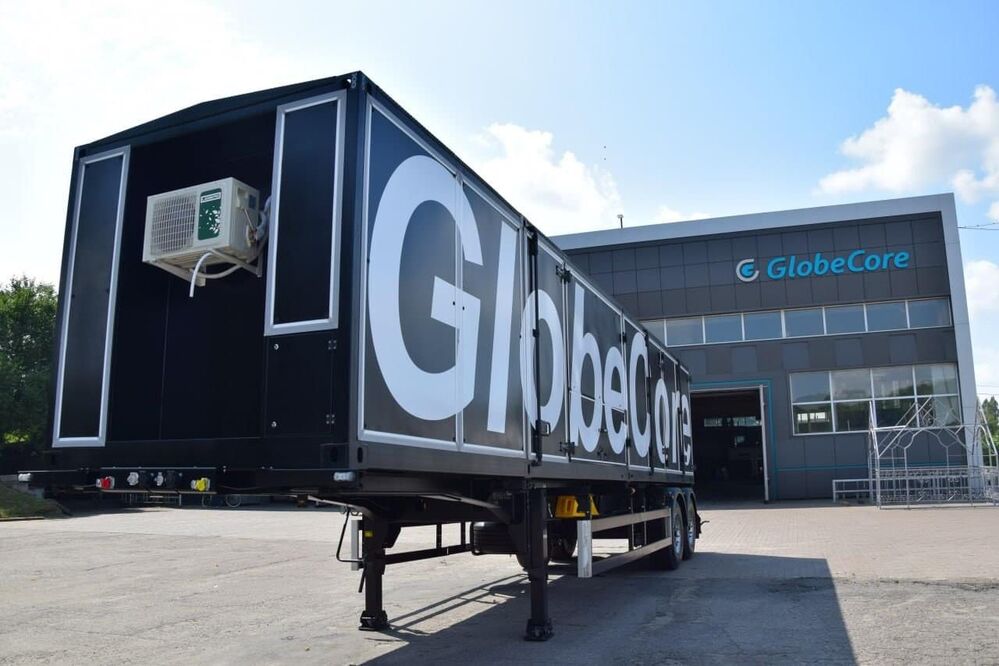
This flagship mobile unit is equipped with SCADA control, supports flow rates ranging from 500 to 1500 L/h. Its durable construction and integrated safety systems make it suitable for reliable operation in harsh field environments, demonstrating that high-performance reactivation clay polishing systems can also be highly adaptable.
This modular system can be integrated into existing refineries or act as a stand-alone polishing stage. When retrofitted onto units such as wiped film evaporators or acid-clay plants, it reduces capital investment, energy consumption, and environmental risk.
Extending the lifecycle of industrial oils and fuels
The reactivation clay polishing system is ideal for a wide range of applications:
- Light oils used in high-speed machinery.
- Medium-viscosity oils in hydraulic and metalworking systems.
- Fuel streams requiring odor or color, reduction prior to use.
With time, even premium oils degrade due to thermal stress, oxidation, and contamination. Instead of disposing of them, the polishing system enables complete property restoration—removing acids, tars, aldehydes, phenols, and particulates—returning the oil or fuel to usable quality.
This regenerative approach avoids burning or stockpiling waste fluids. It also reduces the demand for new virgin oils, easing pressure on petroleum extraction and refining industries. By closing the loop, businesses achieve both environmental responsibility and financial efficiency.
Key benefits of the reactivation clay polishing system
- Improved product quality: enhanced appearance, reduced odor, and better oxidation resistance.
- Environmental sustainability: no chemical waste, low emissions, and reusable media.
- Lower operating costs: eliminates the need for solvent-based or hydrogen treatment systems.
- Continuous operation: thanks to dual-reactor design.
- High yields: minimal loss during reactivation; higher finished product yield.
- Global compatibility: system is adaptable for international voltages and operational standards.
Conventional methods like acid-clay treatment and hydrogenation are no longer viable for many operations. Acid systems generate hazardous waste, while hydrogen plants are expensive and subject to strict safety regulations. In contrast, the reactivation clay polishing system delivers quality without compromising safety or sustainability.