Transformer oil is more than just an insulating and cooling medium. Its condition directly affects how long a transformer will continue to operate reliably. The problem is that transformer oil inevitably ages over time. Under the influence of heat, oxygen, and moisture, sludge, acids, and oxidation by-products gradually accumulate in the oil. Eventually, its properties no longer meet the required standards, leaving equipment owners with an important question: what should they do next?
Why Transformer Oil Ages and Why It Matters
During normal operation, transformer oil is constantly in contact with metal components, insulation materials, and air. As a result:
- operating temperatures remain high;
- metal surfaces gradually wear;
- moisture contamination and oxidation occur.
Under ideal operating conditions, transformer oil can theoretically remain in service for about 25 years. In practice, however, resinous and asphaltene compounds, surface-active substances, acids, salts, and metal oxides gradually accumulate during this period. As the oil deteriorates, it no longer meets technical specifications.
At first glance, replacing the oil may seem like the simplest solution. However, the true cost involves much more than purchasing fresh transformer oil. Transportation, replacement procedures, and disposal all contribute to the overall expense.
There is another important consideration: used transformer oil is hazardous waste. It may contain chlorinated biphenyl derivatives, dioxins, benzo[a]pyrene, and furan compounds. If released into soil or water, these substances pose serious environmental risks, while proper disposal requires costly specialized treatment.
How Fuller’s Earth Regeneration Works
An alternative to replacing transformer oil is regenerating it.
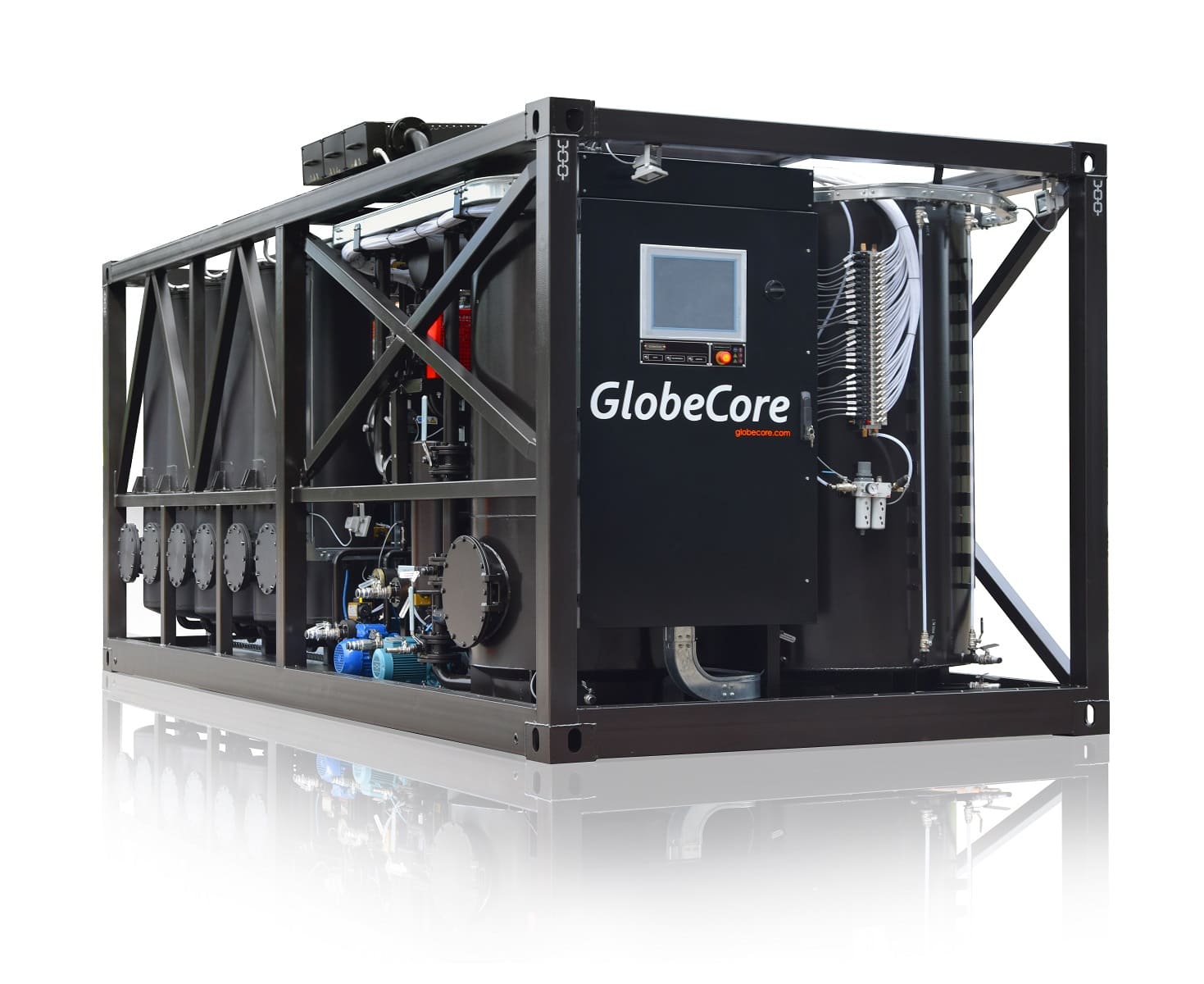
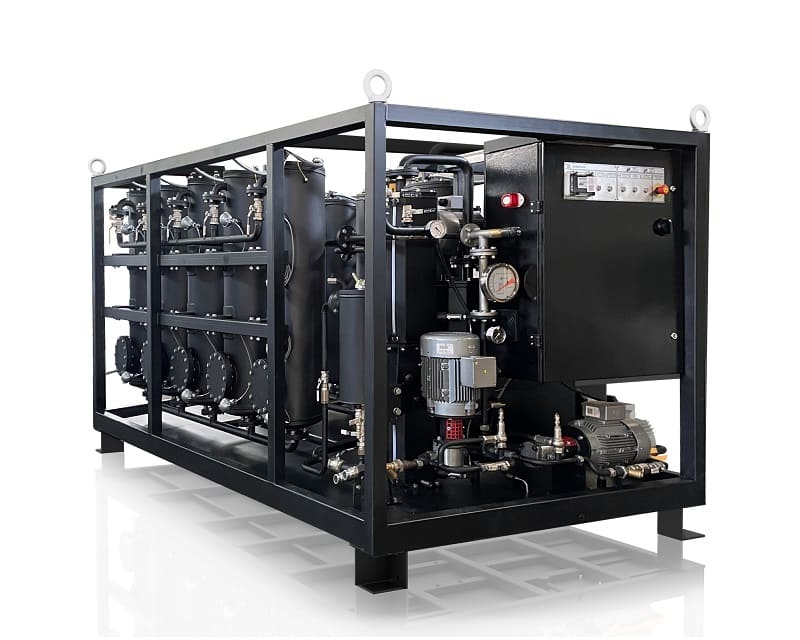
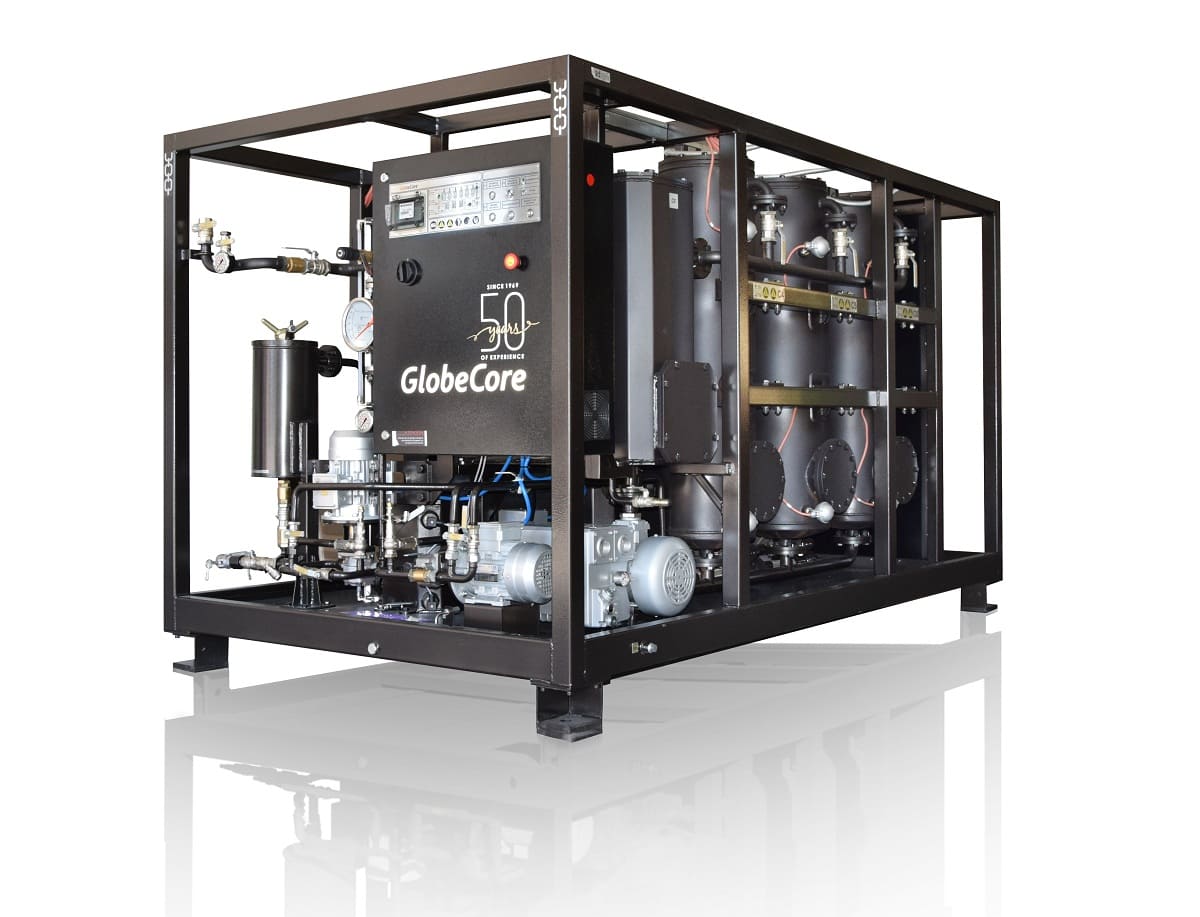
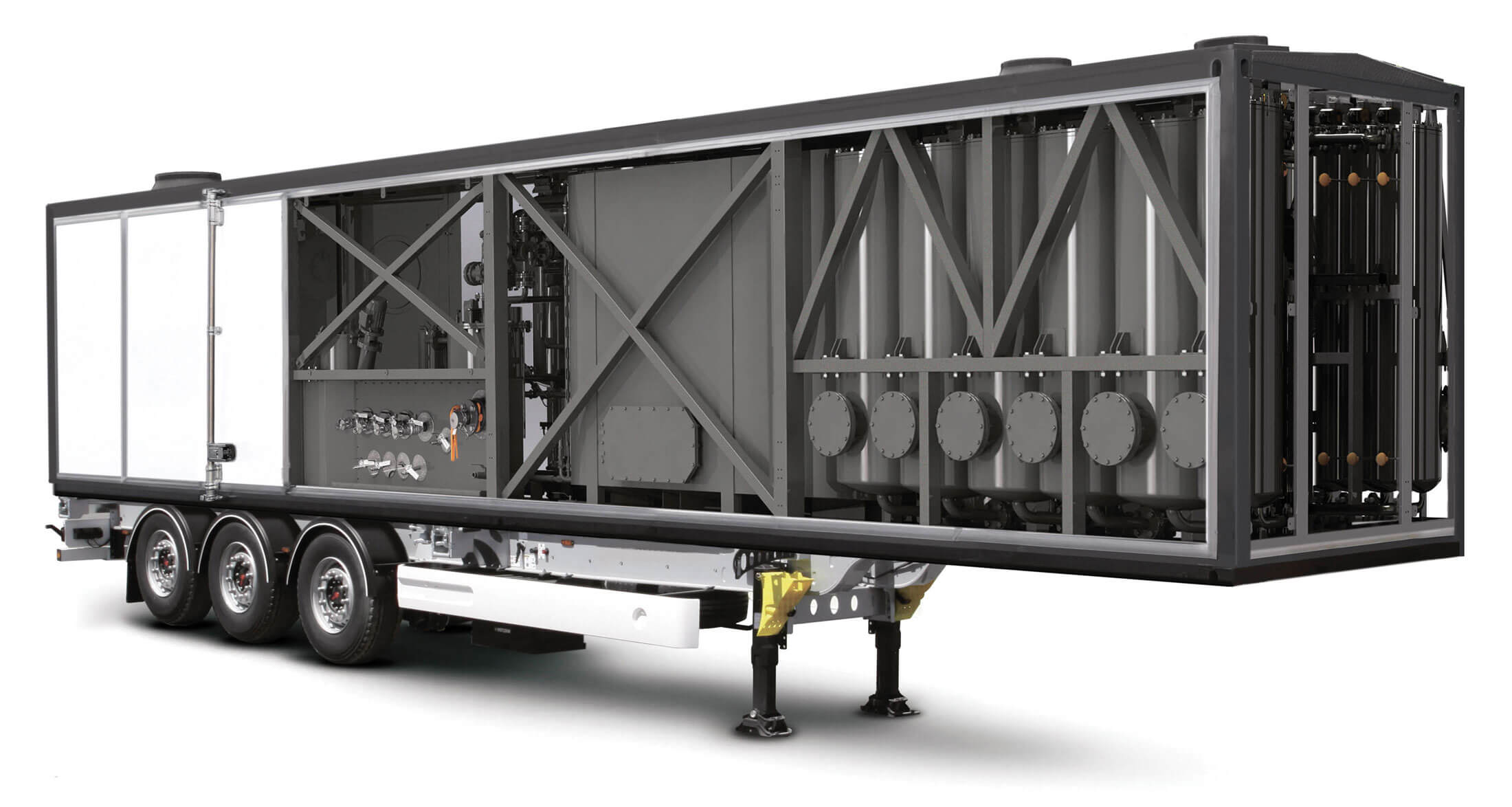
GlobeCore’s regeneration technology is based on the interaction between transformer oil and Fuller’s Earth, a highly effective adsorbent. The oil passes through a series of regeneration columns, each filled with approximately 150 kilograms (330 lb) of sorbent.
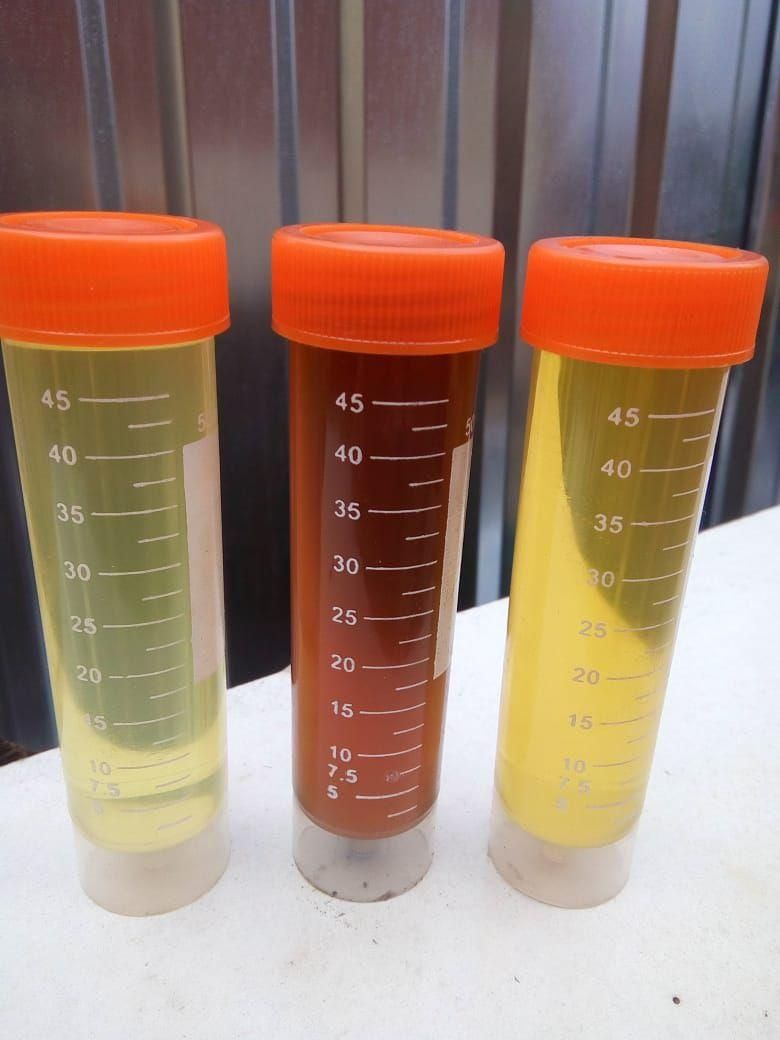
Inside the columns, the granular sorbent allows the oil to flow through while trapping aging products, acids, and contaminants within its porous structure. The results are often visible immediately: the regenerated oil leaving the unit becomes noticeably lighter in color. Depending on the degree of oil degradation, several regeneration cycles may be required to achieve the desired oil quality.
What Happens When the Sorbent Becomes Saturated?
A common question concerns the service life of Fuller’s Earth.
Like any adsorbent, its cleaning efficiency gradually decreases until it eventually becomes saturated. However, unlike disposable filtration media, it does not need to be replaced.
Instead, the sorbent is reactivated by heating it to approximately 600°C (1,112°F) directly inside the regeneration column, without dismantling or additional handling. This process completely restores its adsorption properties, and the same sorbent can be reactivated hundreds of times without a noticeable loss in performance.
When the sorbent finally reaches the end of its service life after repeated reactivation cycles, it can be safely disposed of as construction waste or even used as a soil-conditioning material in agriculture.
It is also worth noting that oxidation inhibitors are removed together with contaminants during regeneration. For this reason, GlobeCore regeneration systems include a dedicated dosing unit that automatically adds fresh inhibitor after the regeneration cycle is completed.
GlobeCore Transformer Oil Regeneration Systems
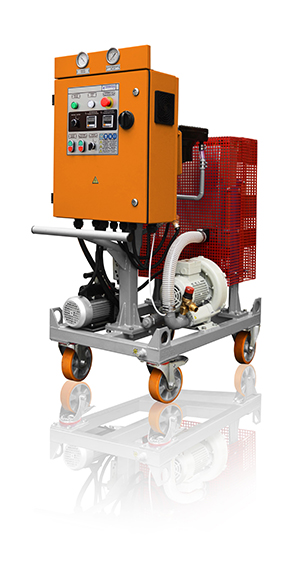
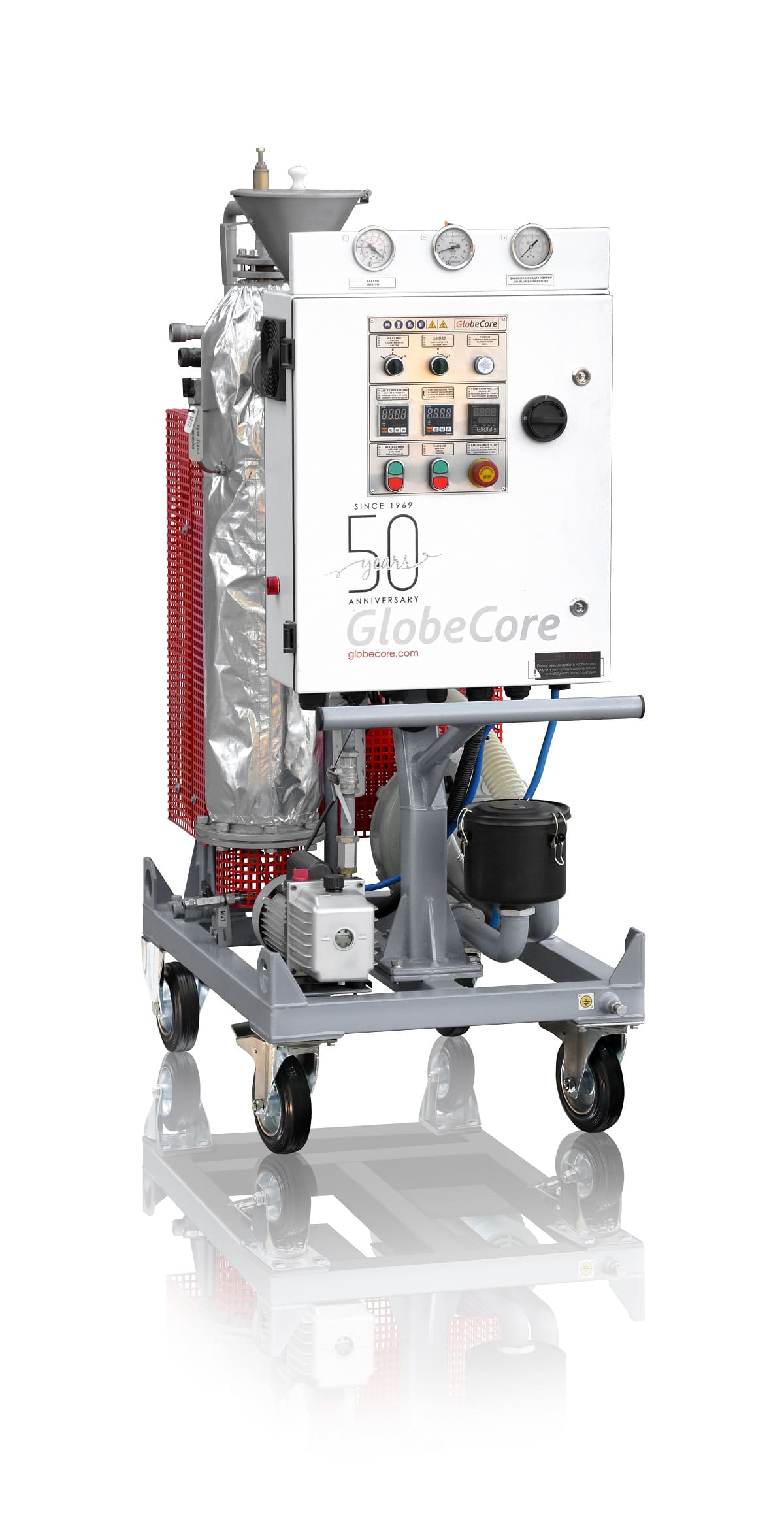
To implement this technology, GlobeCore offers a range of transformer oil regeneration units, including the CMM-6RL, CMM-10RL, and CMM-12R. These models differ primarily in processing capacity, allowing customers to select equipment suitable for anything from servicing individual transformers to maintaining large transformer fleets.
Some practical advantages of this technology include:
- High level of automation. The operator simply selects the required operating mode, while the system performs the regeneration process automatically. Optional GSM remote monitoring allows operation without continuous operator presence.
- Environmentally responsible operation. Sorbent reactivation gases are cleaned using activated carbon and catalytic filters, minimizing environmental impact.
- Energy efficiency. Oil regeneration itself takes place at ambient temperature—the oil simply circulates through the regeneration columns. During sorbent reactivation, the contaminants previously removed from the oil serve as fuel for the heating process.
Versatility. The technology is not limited to transformer oil. The same equipment can also regenerate diesel fuel, furnace fuel, hydraulic oil, and vacuum pump oil.
If your company operates a fleet of high-voltage transformers and regularly faces the cost of deteriorated transformer oil, it is worth comparing the long-term expense of repeated oil replacement with a one-time investment in a regeneration system. Thanks to the repeated reactivation of the same Fuller’s Earth sorbent, the equipment can provide significant savings over its service life.