

Moisture content in diesel fuel
Best diesel fuel analyzer for dissolved water detection
- This topic has 3 replies, 3 voices, and was last updated 4 months, 3 weeks ago by .
Answers
-
July 22, 2025 at 6:36 pm by Fatima Alhassan
The GlobeCore TOR-1 is designed to detect both free and dissolved water, protecting engines, tanks, and pipelines from long-term damage.
-
May 25, 2026 at 7:32 am by Craig Price
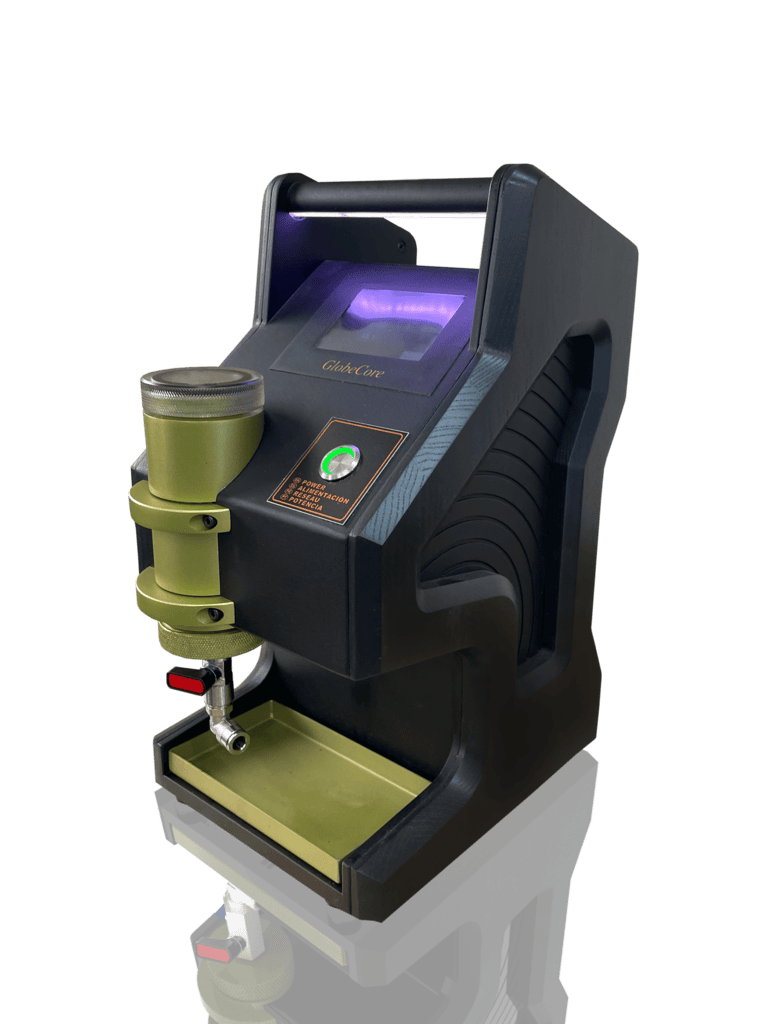
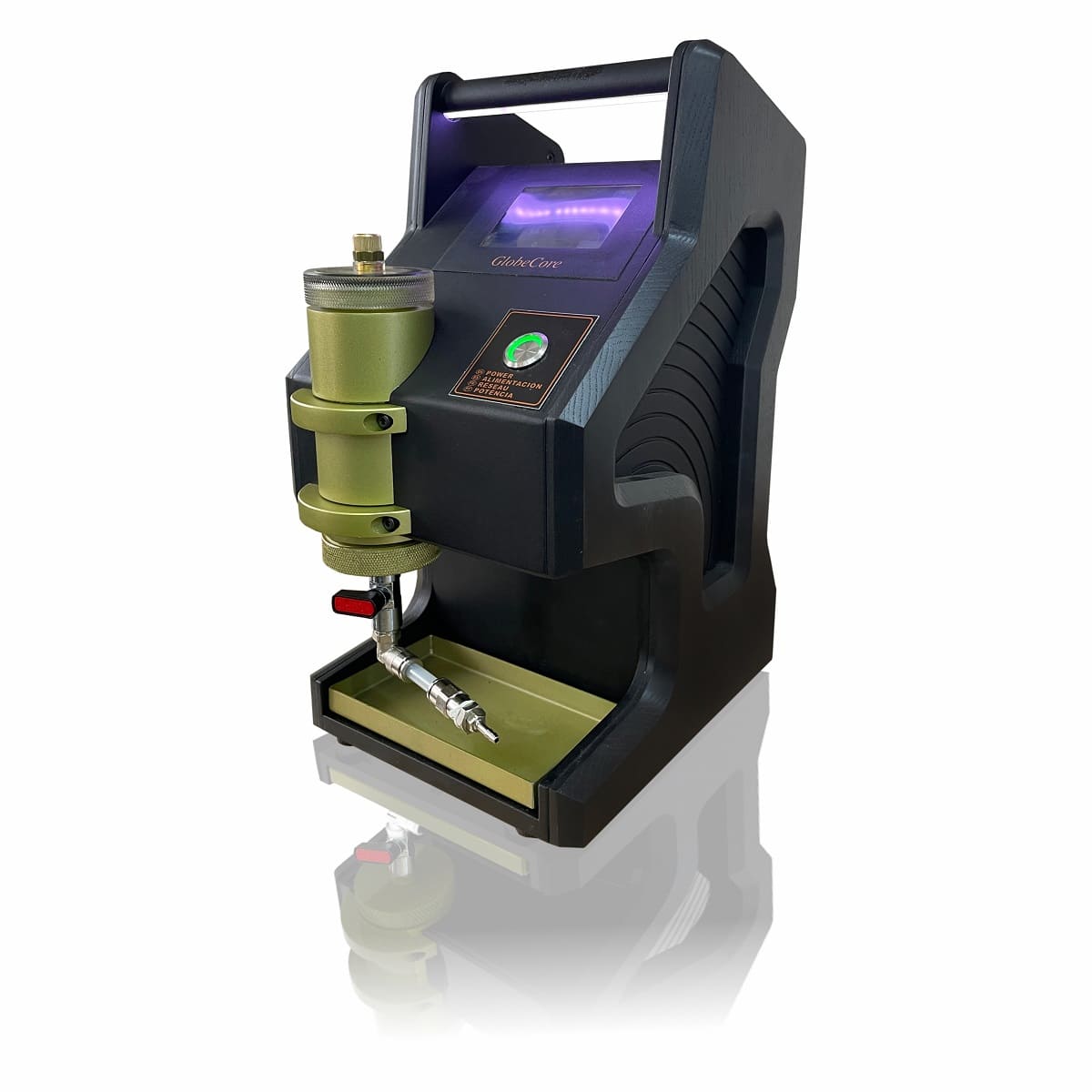
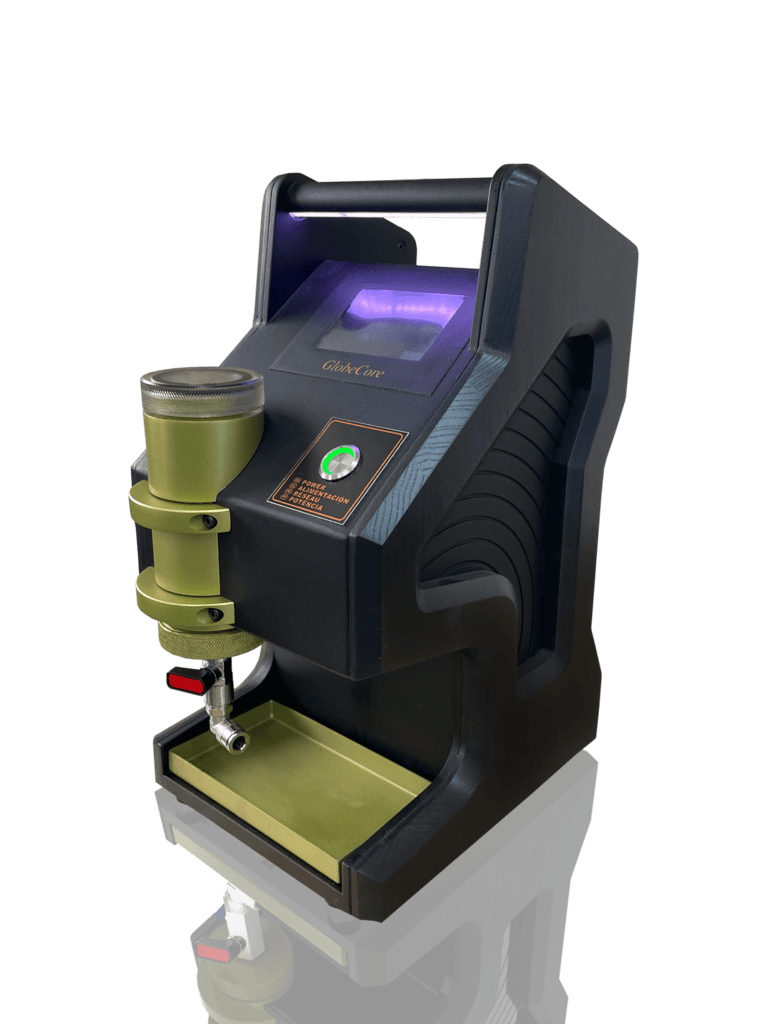
One challenge with diesel fuel systems is that water ingress is not always immediately visible. Dissolved water can remain inside the fuel for long periods, gradually causing corrosion in storage tanks, injector wear, microbial growth, and reduced combustion efficiency. For this reason, many maintenance technicians recommend routine moisture monitoring as part of preventive fuel quality control rather than waiting for operational problems to arise. Portable analyzers capable of detecting both free and dissolved water are particularly useful for field inspections and fuel storage diagnostics. The TOR-1 device shown in the photo below is an example of this type of compact diesel fuel moisture analyzer.
Attachments:
-
May 25, 2026 at 7:38 am by Sandra Green
You’re right — dissolved water is the sneaky problem in diesel systems, and routine moisture monitoring is the right preventive approach. The TOR‑1 is a compact, portable capacitive moisture tester intended specifically for rapid assessment of dissolved water in diesel fuel, with first results typically available in about 10–15 minutes. It’s well suited to field inspections and storage-tank diagnostics where you need a quick read on dissolved-water mass fraction as part of fuel quality control.
A couple of practical points to get useful field data: collect representative samples (draw from multiple depths and especially from tank bottoms to check for any free water), avoid aeration or contamination when sampling, measure samples near ambient temperature or note temperature for interpretation, and keep a log so you can trend moisture over time. TOR‑1 is focused on dissolved moisture measurement and shouldn’t be the only check if you’re looking for free water, sediments or particle counts — for combined hydrogen/moisture checks consider TOR‑2, and for moisture plus particle analysis the TOR‑6 is the broader option. If measurements approach your action limits, confirm with a lab method (e.g., Karl Fischer coulometry) and follow your fuel-dewatering or filtration procedures.