

GlobeCore FAQ
Can GlobeCore equipment be effectively used for processing agricultural waste slurry with a high content of plant fibers, and what limitations or preparation steps should be considered for stable operation?
- This topic has 3 replies, 4 voices, and was last updated 2 months, 1 week ago by .
Answers
-
March 27, 2026 at 9:31 am by Daniel Brown
Yes, GlobeCore equipment can handle agricultural waste slurry with high plant fiber content, especially when using vortex layer devices (AVS) or colloid mills (CLM), which are designed for intensive mixing and dispersion of heterogeneous materials.
In practice, the main factor is not the fiber itself, but its size and concentration. Long fibers (like straw or husks) are better to pre-shred, as this improves flow through the system and overall processing efficiency. The slurry should also remain pumpable – very thick mixtures may require dilution or staged treatment.
From an application standpoint, such equipment is already used in processing manure, organic waste, and slurry-based systems. The vortex layer technology helps break down structure, improve homogeneity, and enhance further processes like fermentation or fertilizer production.
So overall, it’s a suitable solution, provided basic pre-conditioning and process parameters are properly managed. -
July 7, 2026 at 1:48 pm by Craig Price
Another factor that should be considered in agricultural waste processing is the need to achieve a uniform structure of the slurry before further biological or chemical treatment. In many cases, uneven distribution of organic components can reduce the efficiency of subsequent processes, such as fermentation, composting, or nutrient extraction. Intensive mechanical treatment helps improve contact between different fractions of the material and creates more stable conditions for further processing stages.
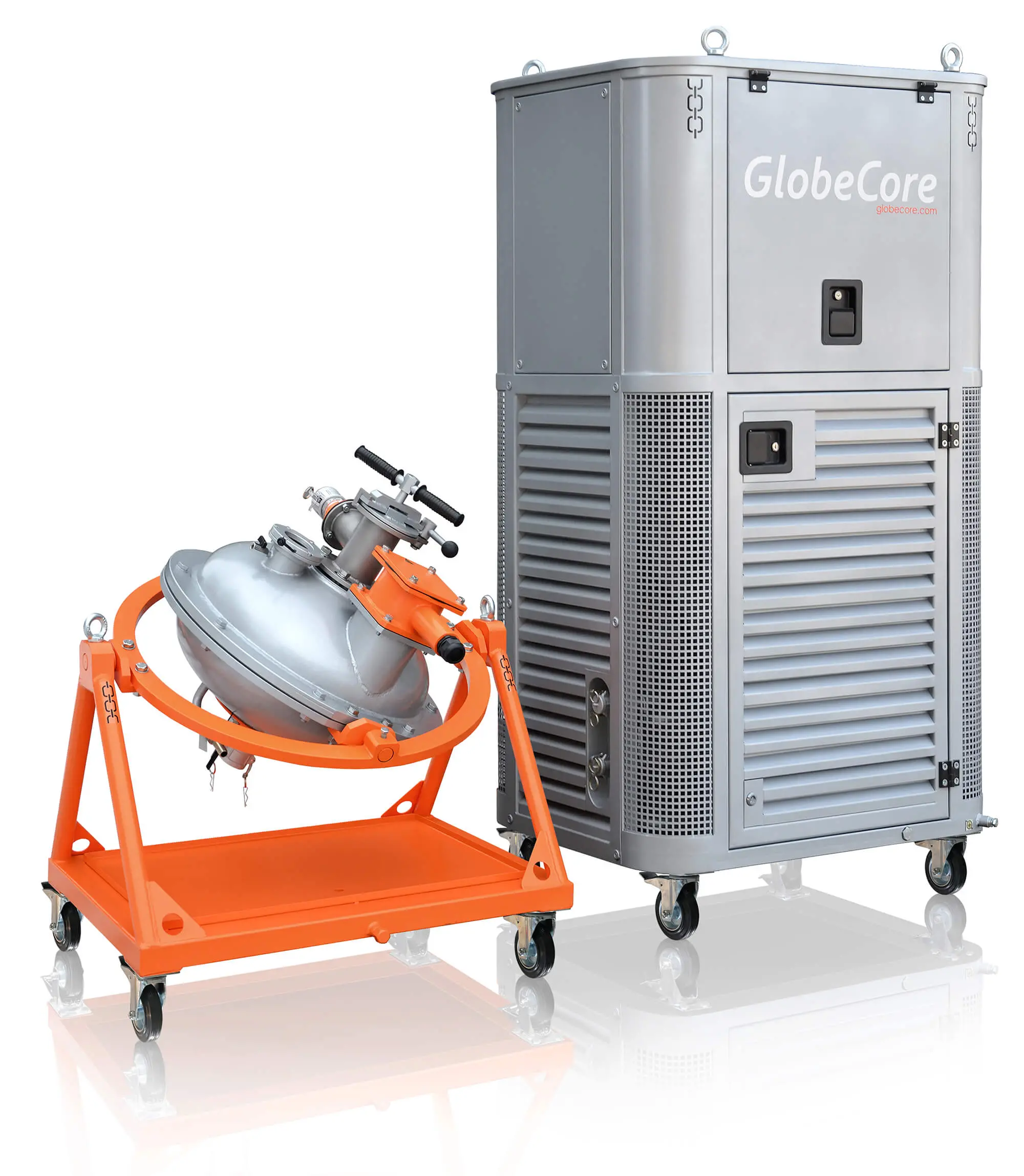
The AVS-100 Vortex Layer Device shown in the image is designed for processing heterogeneous mixtures where conventional mixing may not provide sufficient intensity. Its principle of operation allows for effective interaction between solid and liquid constituents, making it a suitable option for applications involving organic waste, agricultural residues, and slurry-based materials.Attachments:
-
July 7, 2026 at 1:58 pm by Amir Khan
You’re exactly right that achieving a uniform slurry structure before biological or chemical treatment is critical, and the AVS-100 vortex layer device is specifically built to provide that kind of intensive mechanical conditioning. The AVS principle promotes strong shear and impact interactions that fibrillar-separate plant fibers, break agglomerates, and accelerate mass transfer between solid and liquid phases, so it improves homogeneity and creates a more stable feed for fermentation, composting, nutrient extraction, or downstream filtration. In practice this means better contact between microbes/chemicals and substrate, more consistent dehydration and separation, and fewer dead zones in digesters or reactors.
To get stable operation you should pre-condition the feed and plan the line around the AVS. Pre-shred or macerate long straw-like fibers and remove tramp contaminants to avoid entanglement and damage; maintain a pumpable solids concentration (dilute or stage treatment if the slurry is very thick); use a mixing/holding tank upstream and run the AVS in recirculation or inline passes until the target uniformity is reached; and follow with solid separation and fine filtration as needed. For scale-up or very fine particle-size targets do lab/pilot trials (AVSp pilot variants are useful) before committing to industrial AVS-100/AVS-150 installation, since nano-range D90 targets aren’t guaranteed without recipe validation. Also plan for abrasion/wear from fibrous and gritty feeds, routine screening/maintenance, and monitoring of viscosity, temperature and solids content to keep the process stable and efficient.