

Cable oil
How is a cable oil purification plant set up and operated?
- This topic has 3 replies, 4 voices, and was last updated 3 months ago by .
Answers
-
October 1, 2024 at 11:52 pm by Tyler Walker
Setting up a cable oil purification plant involves:
Site Selection: Choosing a location with adequate space, access to power cables, and compliance with environmental regulations.
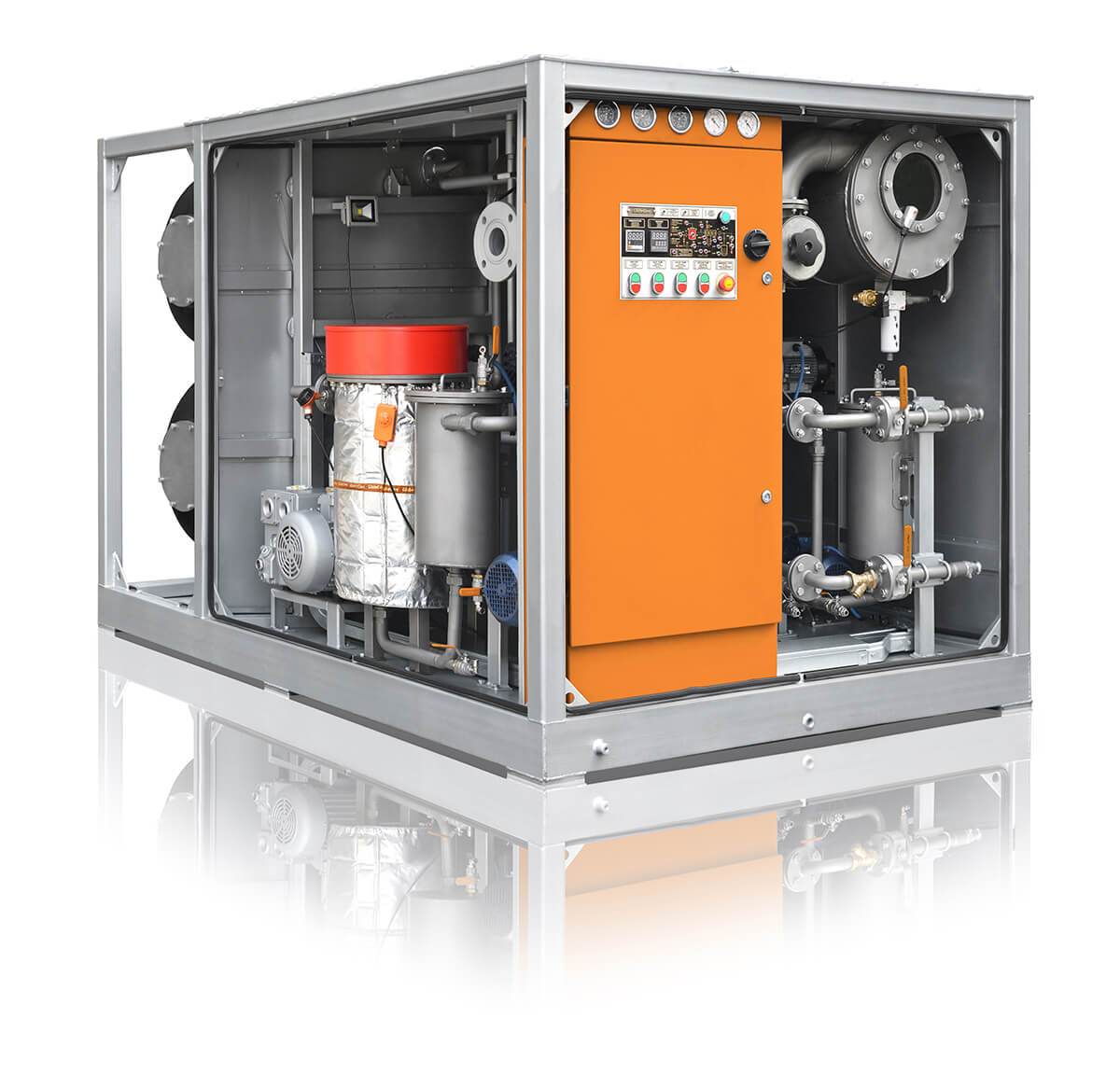
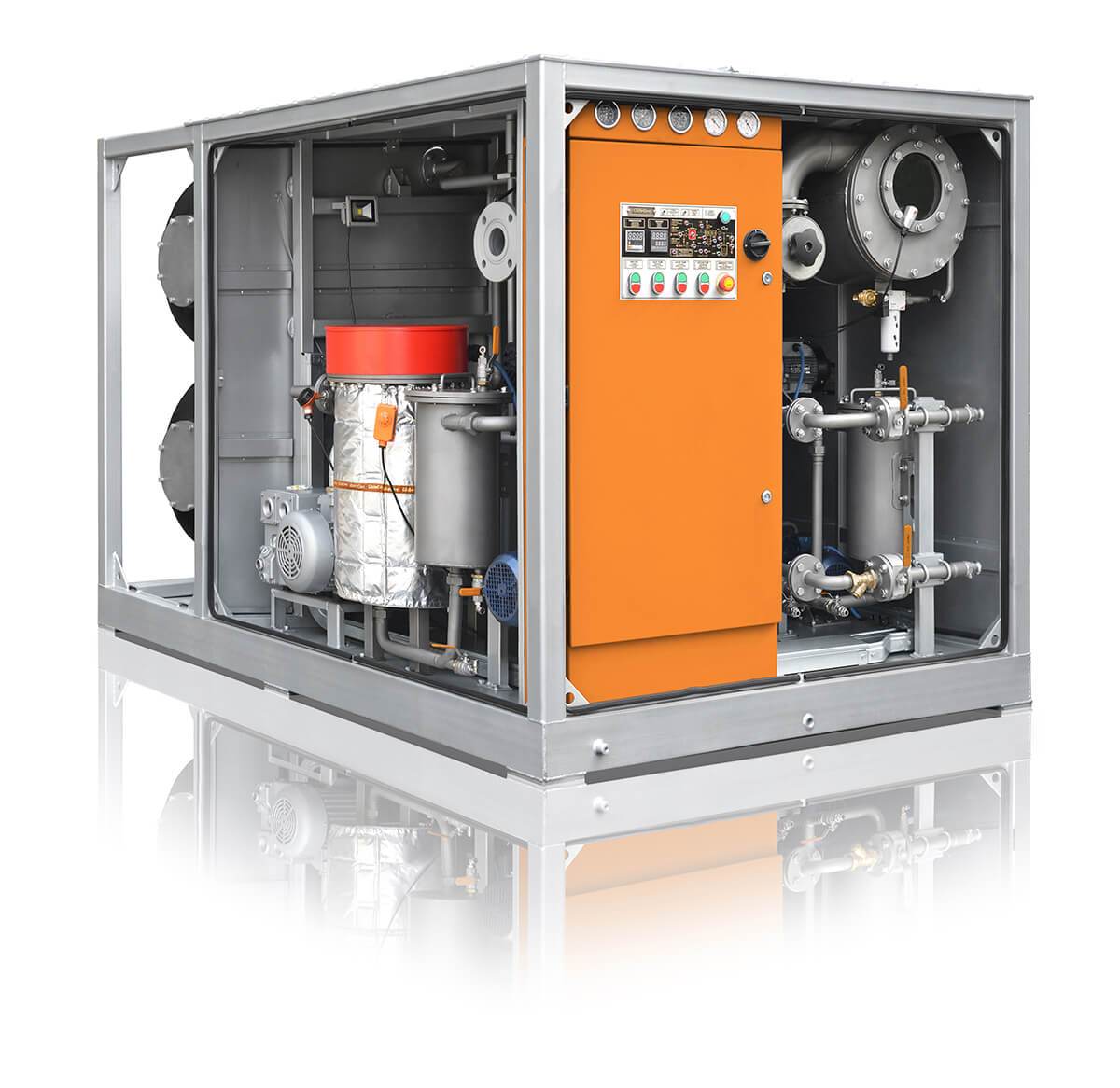
Equipment Installation: Setting up purification units, including heaters, vacuum systems, filters, pumps, and control panels.
System Integration: Connecting the purification plant to the cable system, ensuring proper flow and return lines.
Operational Procedures:
Startup: Initiating the system following safety checks and pre-heating oil if necessary.
Continuous Monitoring: Using sensors and control systems to monitor temperature, pressure, flow rates, and oil quality.
Maintenance Protocols: Regular inspection and replacement of filter elements, seals, and other wear components.
Safety Measures: Implementing emergency shutdown procedures, alarms, and compliance with safety regulations.
Operation requires trained personnel to manage the equipment, interpret data, and perform necessary adjustments to optimize purification effectiveness. -
July 13, 2026 at 1:51 pm by Craig Price
A properly designed cable oil purification system should also focus on maintaining stable oil characteristics during long-term operation, not only on the initial removal of contaminants. One important stage in this process is the removal of dissolved gases, which can affect the dielectric properties of insulating oil and reduce the reliability of cable systems.
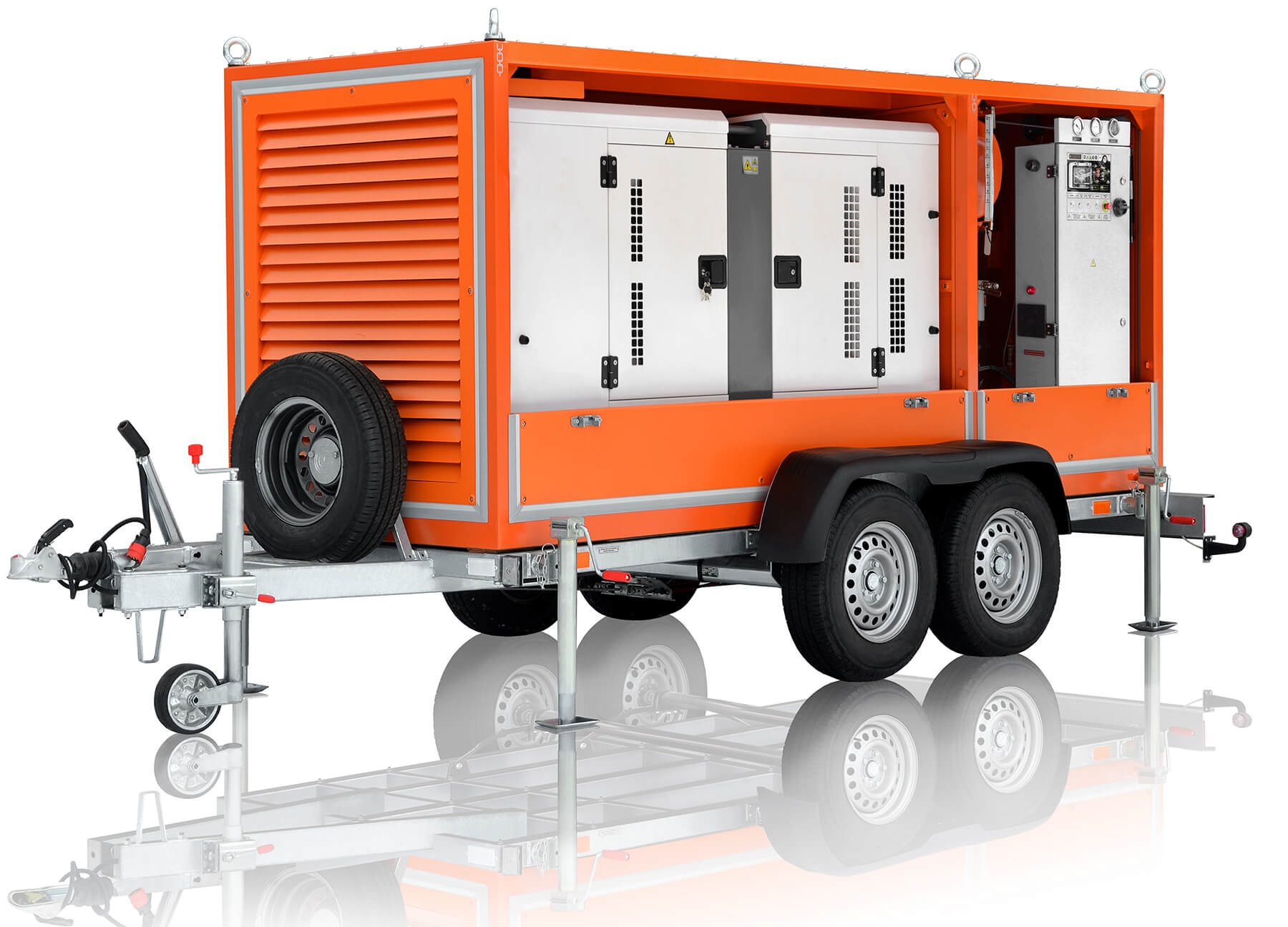
Modern degassing units combine vacuum technology, controlled oil circulation, and filtration to continuously improve oil quality while the cable system remains in service or during maintenance procedures. For example, specialized equipment such as the CMM-1CO cable oil degassing unit shown below is designed for efficient removal of dissolved gases and moisture from cable oils, helping to restore the required insulation parameters and extend the service life of cable systems.Attachments:
-
July 13, 2026 at 2:01 pm by Gabriel Silva
You’re right — long‑term stability of cable oil depends as much on continuous control of dissolved gases and moisture as on initial cleaning. Modern degassing units like the CMM‑1CO combine heated circulation, multi‑stage filtration and a vacuum degassing chamber so oil is warmed to reduce viscosity, drawn through fine filters to remove particulates and ageing products, and exposed to low pressure to strip dissolved gases and water vapor while the cable system is kept in service or during maintenance. That continuous loop restores and preserves dielectric strength, reduces partial‑discharge risk, and helps extend cable service life.
In practice, run the unit warm enough to aid degassing (typical operating range for mineral cable oils is in the 70–90 °C region, adjusted for oil type), maintain a good vacuum in the degassing chamber (residual pressure in the hundreds of Pascals is typical for effective dehydration), and keep oil moving steadily to avoid oxygen ingress. Monitor key parameters — breakdown voltage (BDV), moisture (ppm), and DGA trends — and watch filter differential pressure so elements are changed before flow suffers. Ensure the system is leak‑tight, use closed‑loop filling/top‑up procedures, and follow oil manufacturer temperature limits; with those practices a properly sized degassing/filtration unit will keep cable oil dielectric properties stable over long service intervals.