

GlobeCore FAQ
Used oils regeneration system inquiry
- This topic has 3 replies, 4 voices, and was last updated 2 months, 2 weeks ago by .
Answers
-
November 5, 2025 at 8:05 pm by Sarah Davis
GlobeCore manufactures used oil regeneration systems (CMM-R and CMM-RL series) capable of removing acids, oxidation products, water, and solids. These systems restore the dielectric and chemical properties of transformer or turbine oils. Please specify oil type and required flow rate to receive pricing and configuration details.
-
July 1, 2026 at 7:25 am by Craig Price
In industrial operation, oil regeneration systems play a critical role not only in restoring dielectric strength, but also in stabilizing the long-term chemical balance of insulating oils, which directly impacts transformer reliability and load capability.
Unlike basic purification, regeneration processes address the root causes of oil degradation — including polar contaminants, acidic compounds, and oxidation by-products — which cannot be effectively removed by conventional filtration alone.
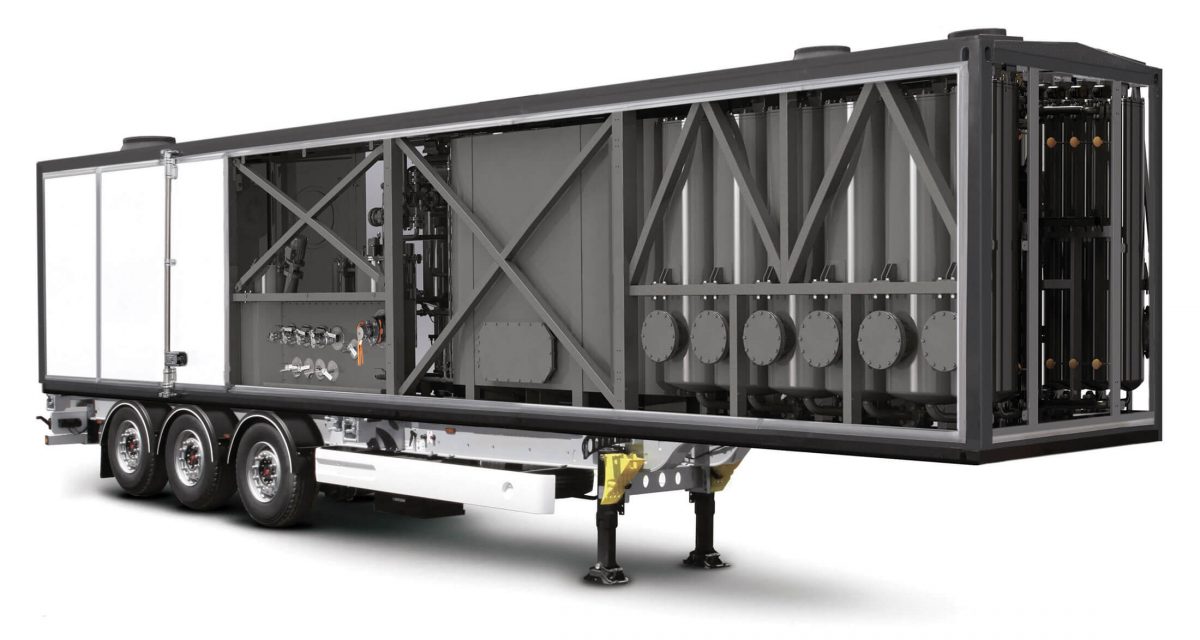
The image below illustrates a high-capacity CMM-12R oil regeneration system designed for continuous industrial operation, where multi-stage adsorption and thermal-vacuum processing are combined to fully restore used oil to as good as new condition.Attachments:
-
July 1, 2026 at 7:36 am by Tyler Walker
You’re correct — true oil regeneration targets the chemistry, not just the particulates, and that’s exactly what a high‑capacity unit like the CMM‑12R is built to do. By combining multi‑stage adsorption with thermal‑vacuum degassing and controlled heating, the system strips polar contaminants, acidic compounds and oxidation by‑products, removes dissolved and free water, and degasses the oil so dielectric strength and long‑term chemical balance are restored. The CMM‑12R is designed for continuous industrial operation and high throughput (approaching the 1,200 L/h class), supports natural ester fluids (e.g., Midel/FR3) as well as mineral transformer oils, and includes features to prolong sorbent life and allow on‑site reactivation for low consumable costs.
For reliable in‑service results, run the unit with proper pre‑filtration and temperature control, monitor key oil quality parameters (BDV/breakdown voltage, TAN/acidity, Karl Fischer moisture, interfacial tension, and dielectric dissipation/tan‑delta) before and after treatment, and schedule sorbent reactivation/replacement per operating hours and trending results. If continuous uptime is required, consider modular/parallel units to avoid single‑point downtime, and use available options such as remote control, added vacuum capacity and moisture meters to tighten process control. If you want specific configuration or pricing recommendations, tell me the oil type you’ll be treating and the required flow rate.