

Hydraulic oil purification
What is the most suitable oil treatment solution for a hydraulic oil?
- This topic has 3 replies, 4 voices, and was last updated 2 weeks ago by .
Answers
-
August 21, 2026 at 1:18 pm by Emily Jones
What is the most suitable complete oil treatment solution for a hydraulic oil production line?
-
August 21, 2026 at 1:48 pm by David Allen
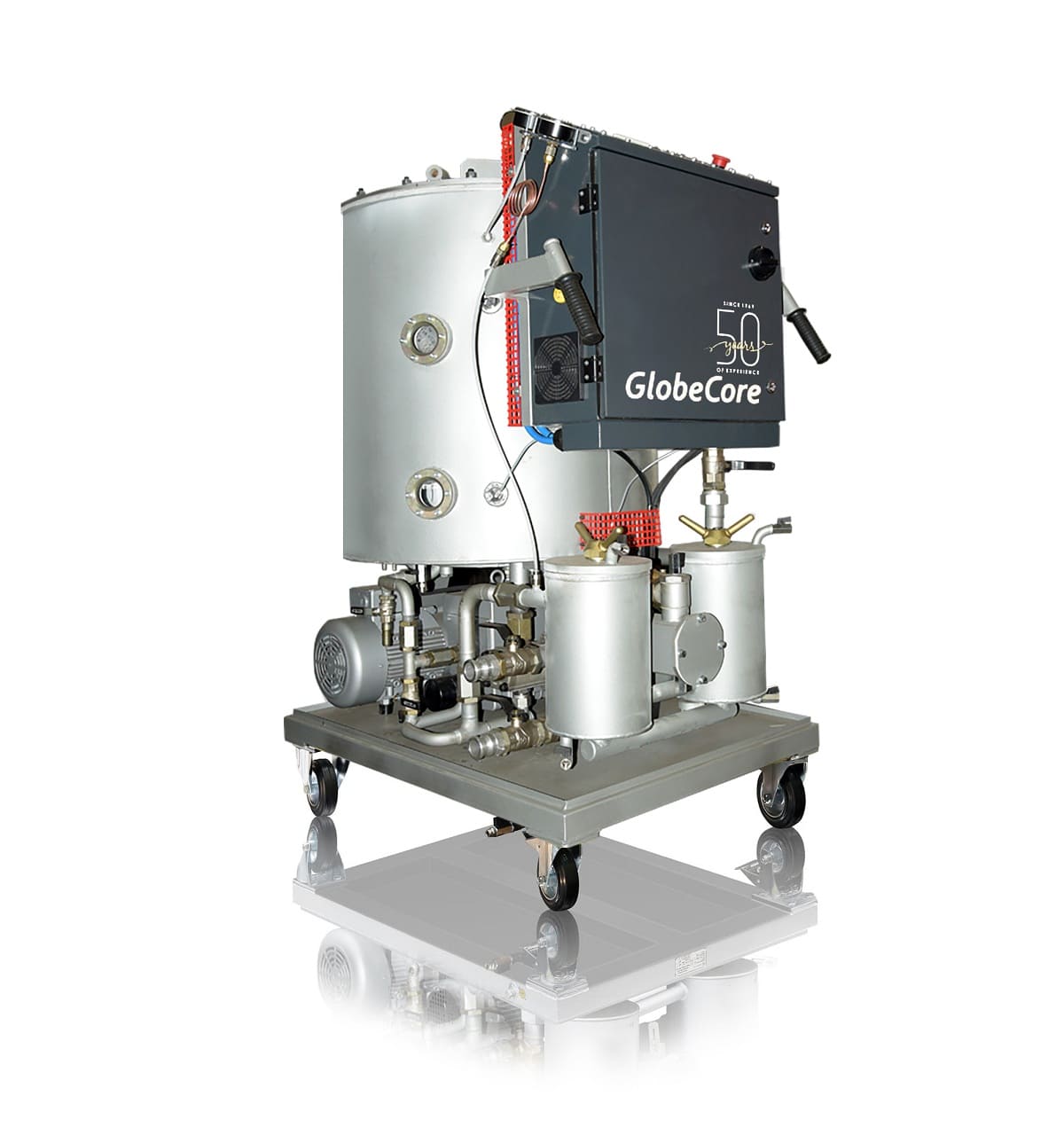
For on-site hydraulic oil purification the most suitable single-unit solution is a thermal-vacuum purifier that combines multistage particulate filtration with vacuum dehydration — a compact, mobile CMM-LT style unit. It removes solids with selectable filter fineness (0.3–25 µm), strips dissolved gases and water by heating and vacuuming to deliver very low moisture (≤10 ppm) and low gas content (≤1.5%), and achieves typical cleanliness targets around ISO 4406 14/12 and NAS 1638 class 6. These units are easy to operate, transportable through standard doorways, and available in capacities from about 0.6 to 8 m³/h, so they work well for periodic on-site filtration, dehydration, gas removal and oil-life extension.
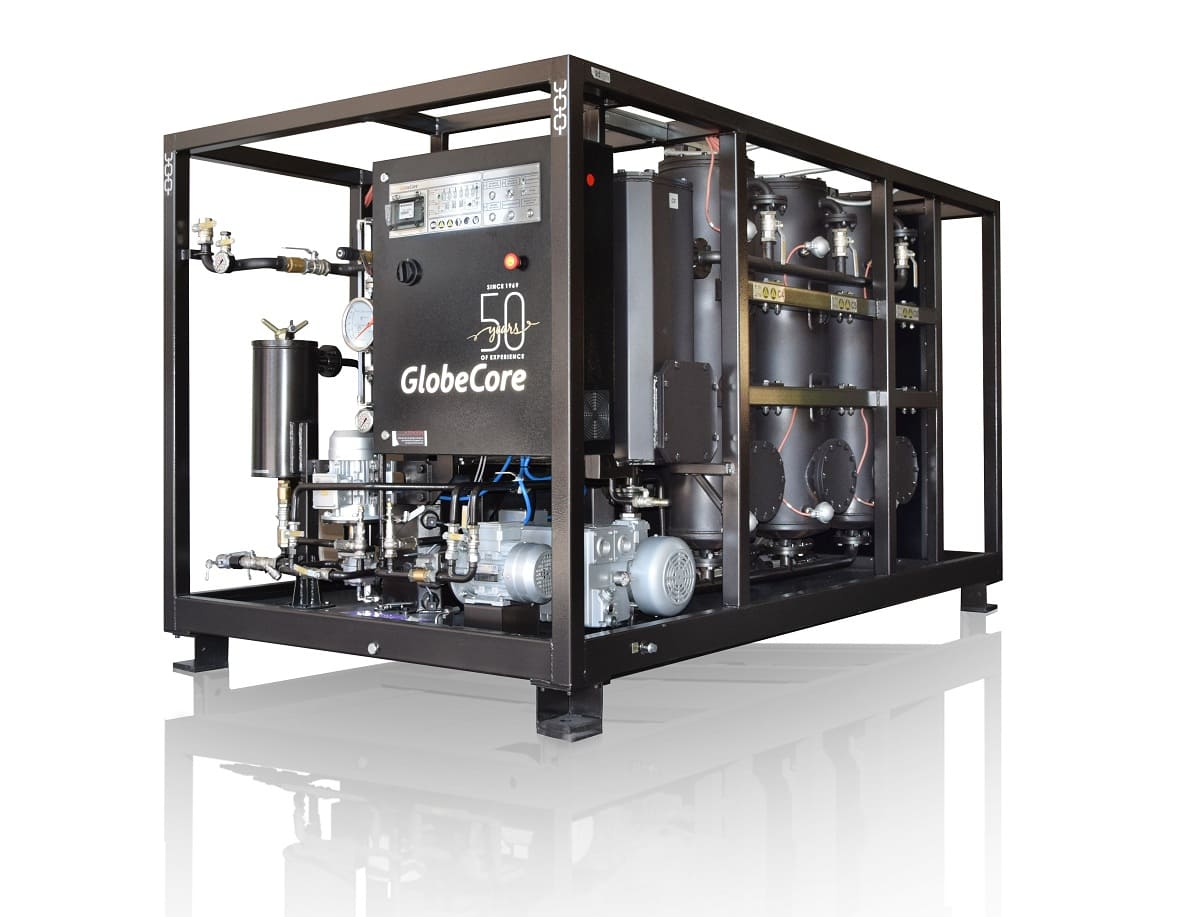
For a complete production-line treatment, use a multi-stage approach: a coarse water removal stage first (either coalescing filters such as a CMM-CF for very high free-water loads or adsorption cartridges like CP-130/CP-260 with zeolite and BRZ regeneration for deep pre-drying), followed by final thermal vacuum dehydration and fine filtration with a CMM-LT to reach the low ppm moisture and cleanliness targets. Add an optional UVD vacuum-filling/top-up module for controlled small-batch filling. That combination gives robust removal of solids, free and dissolved water, and entrained gases while minimizing disposal and extending hydraulic fluid service life.
-
September 2, 2026 at 6:25 am by Craig Price
For a hydraulic oil production line, the most suitable complete oil treatment solution should ensure effective removal of moisture, particulate matter, gases, and other contaminants that can affect the performance and service life of the finished hydraulic fluid. The system should include fine filtration, vacuum dehydration, degassing, and continuous oil circulation capabilities.
GlobeCore offers integrated oil treatment solutions that can be adapted for hydraulic oil manufacturing processes. Equipment such as the CMM series oil purification units can provide high-efficiency filtration, dehydration, and degassing of hydraulic oils, helping manufacturers achieve stable quality parameters before packaging or further use. The optimal configuration depends on the production capacity, oil type, contamination level, and required final specifications. -
September 2, 2026 at 6:38 am by Sonia Patel
Your summary is spot on: a production-line solution must combine fine multistage filtration, vacuum dehydration, degassing and the ability to circulate/process oil at production throughput to guarantee stable final specifications. For the polishing stage, a vacuum‑thermal purifier like the CMM‑LT family is the most suitable single unit — it delivers selectable fine filtration down to 0.3 µm, vacuum dehydration/degassing to moisture levels ≤10 ppm and volumetric gas ≤1.5%, and typical cleanliness around ISO 4406 14/12 (NAS 6), with mobile, compact designs in capacities from ~0.6 to 8 m³/h to match different production throughputs.
For production-line deployment use a staged system: when incoming oil has high moisture (>100 ppm) add a coarse dehydration/pre‑drying stage (CP‑130 or CP‑260 adsorption units with zeolite cartridges or a coalescing CMM‑CF for heavy free‑water loads), then route oil through the CMM‑LT for final vacuum dehydration and fine filtration. BRZ-style cartridge reclamation reduces operating cost if adsorption is used. Continuous circulation and consistent quality are achieved by sizing the units to your line’s flowrate and integrating filling/top‑up modules (vacuum filling) and simple piping/recirculation loops so purified oil is returned to blending/filling stations without batch interruptions. This staged approach minimizes contamination, extends fluid life, and meets tight production-line cleanliness and moisture targets.