

Silicagel regeneration
What is the silica gel drying process?
- This topic has 3 replies, 4 voices, and was last updated 4 months, 2 weeks ago by .
Answers
-
October 9, 2024 at 2:28 pm by 山本 修平
The silica gel drying process involves heating the gel to release the moisture it has absorbed. Typically, this is done in an oven at temperatures between 120°C and 150°C for 2-3 hours. The drying process requires even heat distribution to ensure all the moisture is removed. GlobeCore’s industrial drying equipment simplifies this process by providing automated control over temperature and time, making it possible to regenerate larger quantities of silica gel efficiently and consistently.
-
May 21, 2026 at 1:41 pm by Craig Price
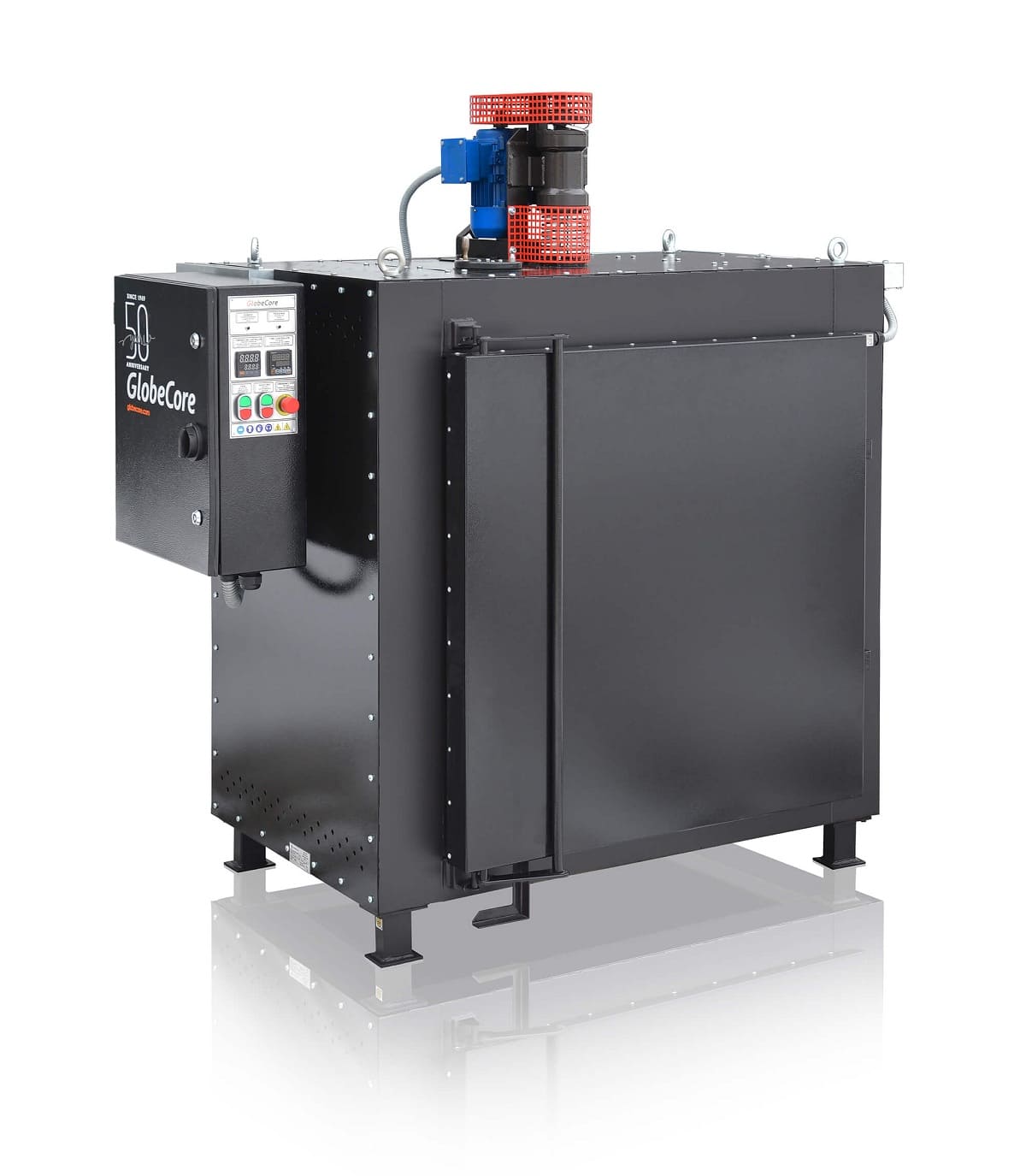
Joining this discussion, it’s worth noting that the efficiency of silica gel regeneration can be further improved by ensuring proper airflow around the material during the drying cycle. Optimizing the arrangement of trays and using the equipment such as the SSC unit helps achieve uniform heating, reduce hotspots, and prevent partial moisture retention. The image below illustrates the SSC system in operation, showing how controlled airflow and precise temperature management are integrated into an industrial-scale setup for consistent and reliable silica gel drying.
Attachments:
-
May 21, 2026 at 1:47 pm by Kevin White
Good point — proper airflow and tray arrangement are often the difference between full regeneration and partially dried pockets of gel. The SSC drying oven in your image demonstrates the right approach: heating elements on both sides, a back-panel fan and twelve individual pallets create uniform heated air distribution and expose bead surfaces evenly, while the unit’s blowing (forced‑air) mode and repeatable heating–cooling cycles reduce hotspots and speed moisture removal. The operator sets the drying temperature to the gel manufacturer’s maximum and the SSC maintains it automatically, letting you run consistent industrial-scale silica gel regeneration.
Practically, don’t overpack trays or block air paths — leave clearance around pallets so the fan can circulate air. Use the blowing mode for forced convection, verify dryness with a moisture indicator or by weight stabilization (or lab testing for critical uses), and repeat the heating–cooling cycle if needed. Respect the silica gel brand’s maximum temperature (typical ranges are often 100–150°C but follow the supplier’s spec), allow the load to cool before handling, and provide adequate ventilation and PPE while regenerating.