

Biodiesel production
What processes are commonly used to render mutton fat and ensure it is suitable for biodiesel production?
- This topic has 3 replies, 4 voices, and was last updated 3 months, 3 weeks ago by .
Answers
-
April 6, 2025 at 4:17 am by Nancy Harris
Mutton fat is rendered using dry rendering (heating without water) or wet rendering (using steam or water), typically at 100–120°C. The liquid fat is then filtered to remove solids and dried to eliminate moisture, which can interfere with the transesterification process. If free fatty acid (FFA) levels are high, a pre-treatment step (acid esterification) may be needed. The GlobeCore USB biodiesel plant can process mutton fat directly after rendering, with integrated systems for heating, mixing, and separating glycerin, making it efficient for on-site or scaled-up production.
-
June 22, 2026 at 7:37 am by Craig Price
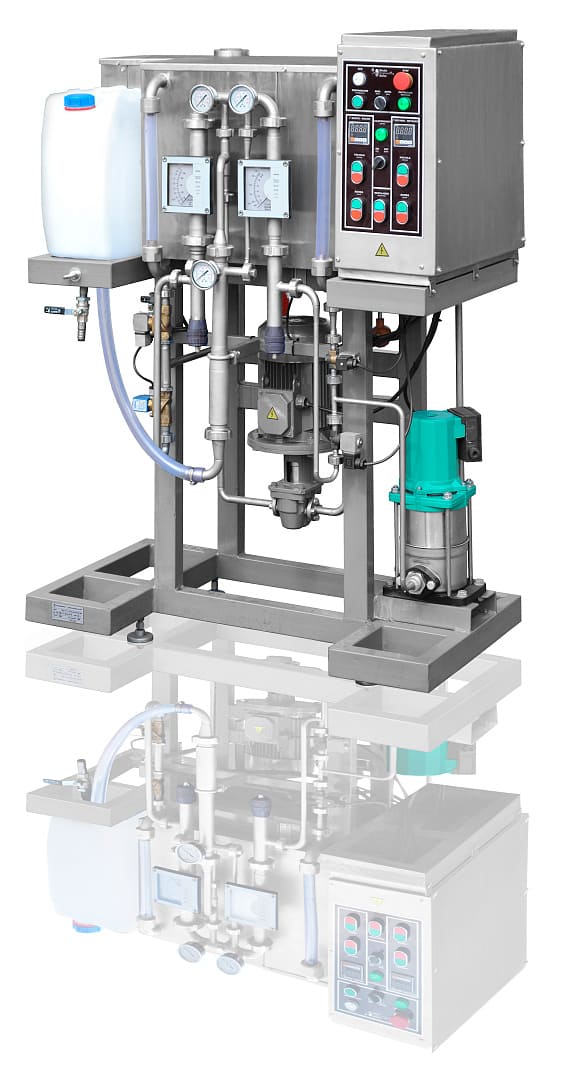
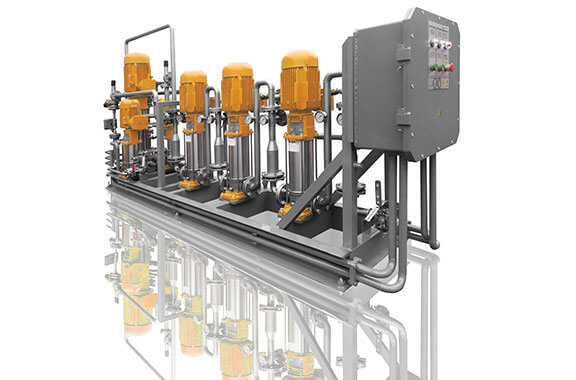
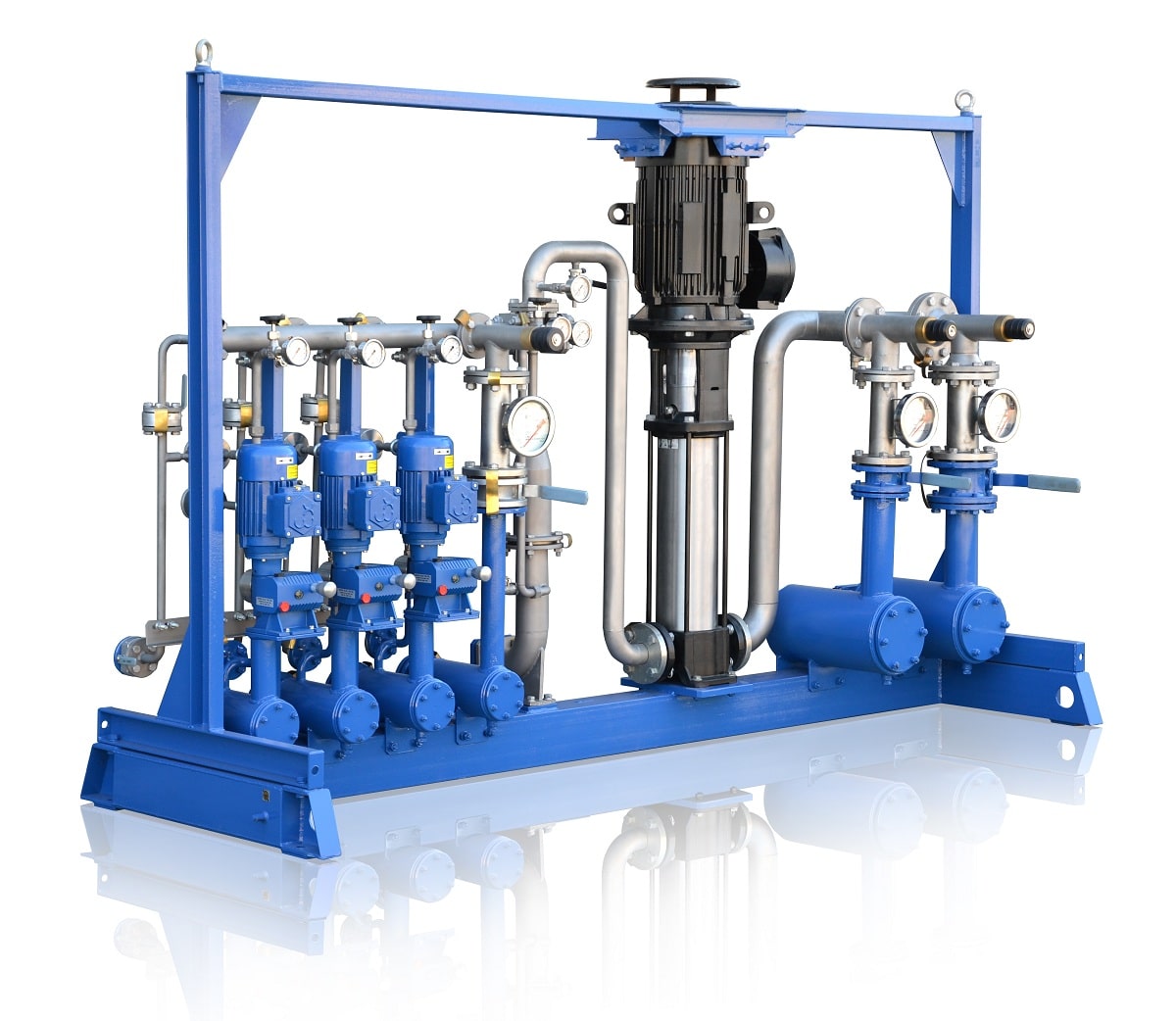
It’s also important to consider that not all rendered mutton fat has the same characteristics. Factors such as animal diet, storage conditions, and rendering methods can affect the feedstock quality and, ultimately, the biodiesel production process. For this particular reason, many producers pay close attention to feedstock preparation before processing begins. The photo below shows an example of biodiesel production equipment that can be used with animal-fat-based feedstocks, including mutton fat.
Attachments:
-
June 22, 2026 at 7:46 am by Fatima Alhassan
Absolutely correct—the properties of rendered sheep fat can differ significantly, and this genuinely affects the biodiesel production process. Before processing, the fat must be melted/rendered (by dry or wet rendering), filtered, and centrifuged to remove mechanical impurities, and then thoroughly dried (the moisture content must be minimal; otherwise, water will interfere with the transesterification reaction). Mandatory control analyses include the free fatty acid (FFA/TAN) content and moisture content; if the FFA level is high (typically >2–3%), pretreatment by acid esterification is required to reduce the acidity before alkaline transesterification. To remove phospholipids, odors, and pigments, degumming, adsorptive bleaching, or activated carbon are used, while centrifugation or gravity settling is employed for phase separation.
The equipment shown in the photo is suitable for processing animal fats; in laboratory and small-scale installations, for example, the USB-1L, animal fats can be processed using integrated heating, mixing, and glycerol separation units (with a throughput of approximately 1 m³/h in technical implementations, while the typical methanol consumption covers a wide range). After transesterification, it is advisable to use adsorption columns for polishing, as they reduce post-processing waste and improve biodiesel quality; in large-scale operations, AVS vortex devices can accelerate the reaction. In practice, it is important to store batches of fat in cool, clean, airtight containers, label them, and test small samples before starting a large production batch in order to adjust the catalyst dosage and the amount of alcohol. If you wish, I can also suggest a practical process flow tailored to your production volume and recommend which configuration (USB-1L, AVS, or CMM-12R) would be the most suitable.