

Сutting oil
What services do cutting oil filtration companies offer?
- This topic has 3 replies, 4 voices, and was last updated 3 months, 2 weeks ago by .
Answers
-
October 2, 2024 at 9:43 am by Lucas Martins
Cutting oil filtration companies provide services that include on-site fluid analysis to assess the condition of cutting oils and recommend appropriate maintenance actions. They offer equipment rental or sales of filtration and purification systems, along with installation and training services. Maintenance services such as scheduled filter replacements, system cleaning, and emergency repairs ensure continuous operation. Some companies offer turnkey fluid management solutions, handling everything from purification to disposal, allowing manufacturers to focus on their core production activities. Consulting services for optimizing fluid usage and complying with environmental regulations are also commonly provided.
-
June 22, 2026 at 7:24 am by Craig Price
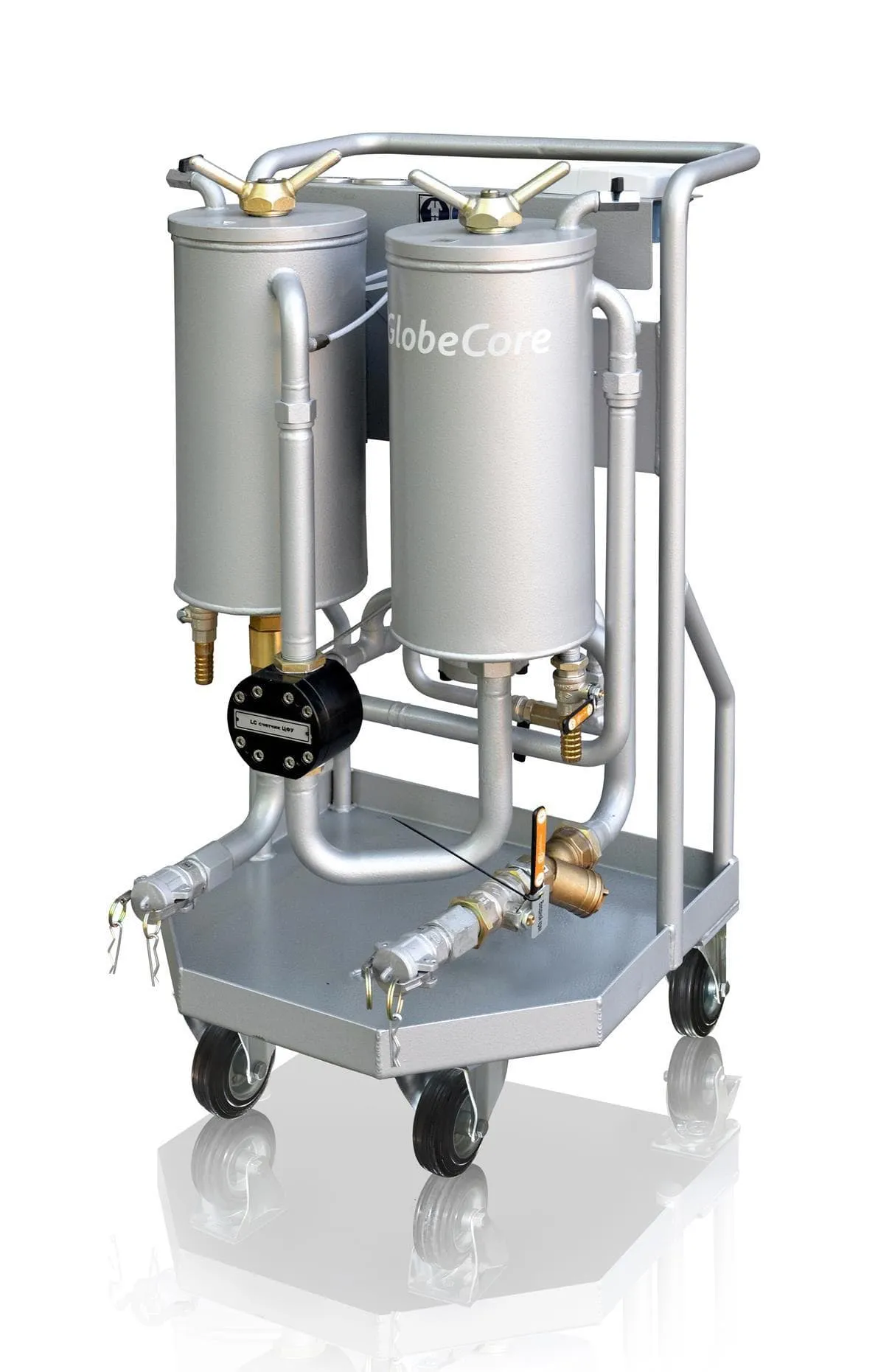
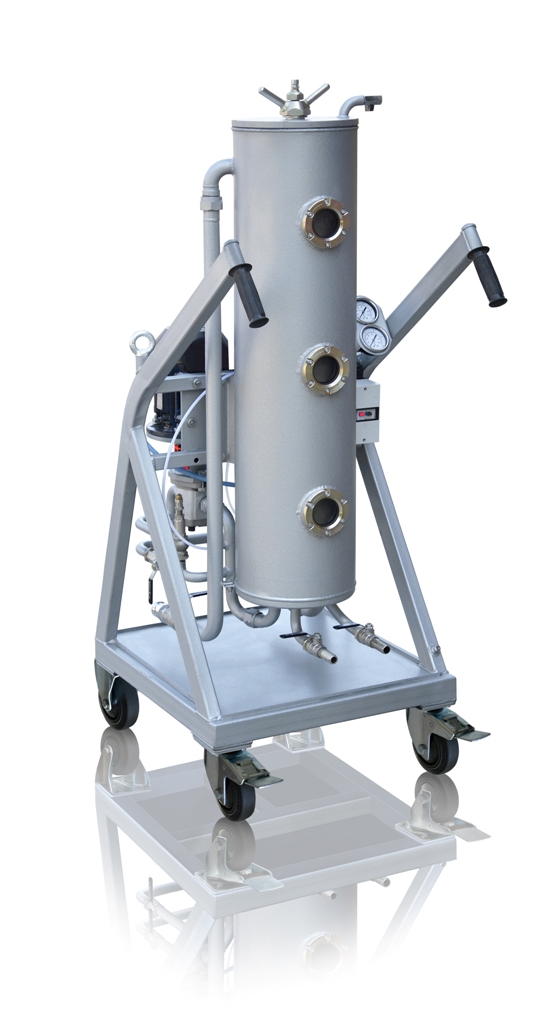
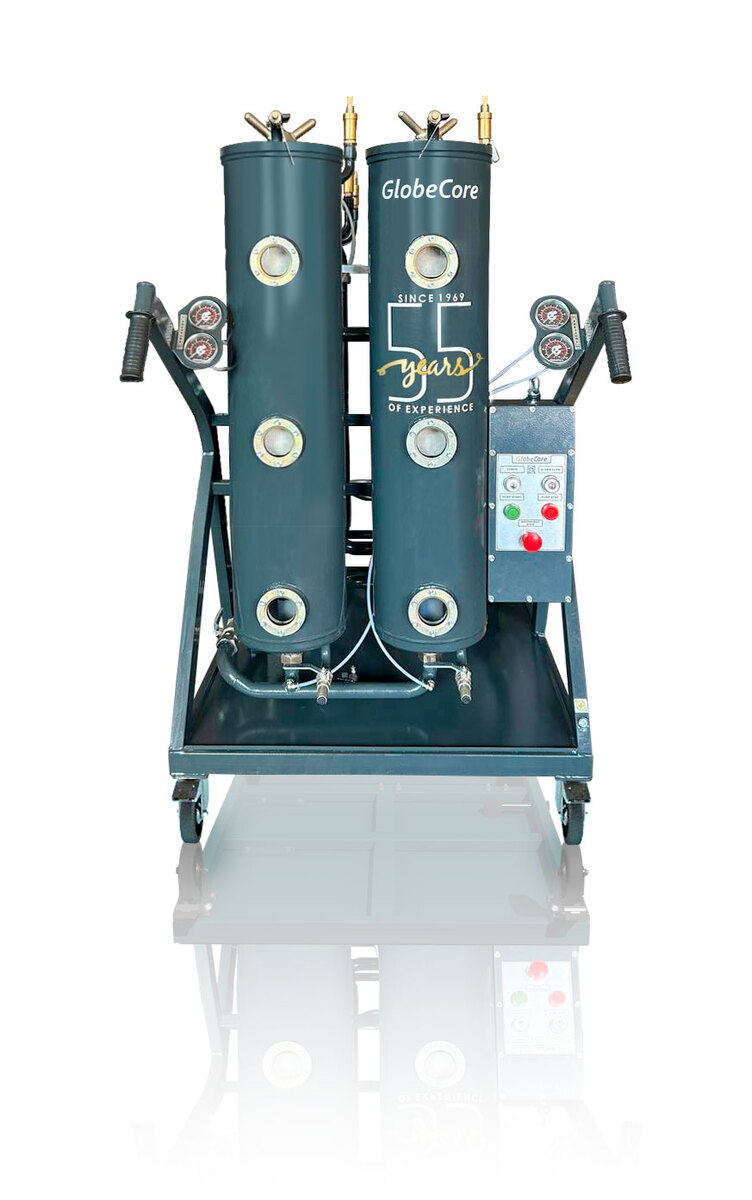
Another valuable service offered by cutting oil filtration companies is the removal of fine metal particles that may pass through a machine’s existing filtration system. Over time, these contaminants can accelerate wear of pumps, valves, and other machine components, while also affecting surface finish quality. By maintaining cleaner cutting fluids, manufacturers can often reduce maintenance costs and enhance equipment reliability. The unit shown in the photo below is an example of industrial filtration equipment designed to remove contaminants from oils and other process fluids used in manufacturing operations.
Attachments:
-
June 22, 2026 at 7:32 am by Stephanie Lee
You’re absolutely right — removing the fine metal particles that slip past a machine’s onboard filters is one of the most effective ways to reduce wear on pumps, valves, nozzles and spindles and to preserve surface finish. The most reliable approach is multistage filtration tuned to the contamination you see: coarse prefiltration to protect pumps, followed by fine filtration down to 3–0.3 microns for abrasive fines, and a magnetic stage to capture ferrous swarf that mechanical filters can miss. Settling and centrifugation help with large chips and emulsions, but mechanical filtration is the optimal method for persistent fine solids.
The unit in your photo looks like a compact, cart‑mounted tank‑to‑tank filtration skid commonly used in shops for on‑site cutting oil purification. These mobile systems are plumbed between the “dirty” and “clean” tanks, started from a control station, and allow rapid cartridge swaps and instrumented monitoring of filter clogging (differential pressure). For best results, choose filter fineness to match your machining process, add a magnetic stage if you run a lot of ferrous work, monitor differential pressure and oil condition regularly, and schedule tank‑to‑tank passes to extend fluid life, reduce downtime, and lower overall maintenance costs.