

Diesel purification
What type of skid is required for diesel fuel treatment?
- This topic has 3 replies, 4 voices, and was last updated 4 weeks, 1 day ago by .
Answers
-
August 21, 2026 at 1:20 pm by Emily Jones
What type of skid is required for diesel fuel treatment to increase the flash point?
-
August 21, 2026 at 2:08 pm by Olivia Baker
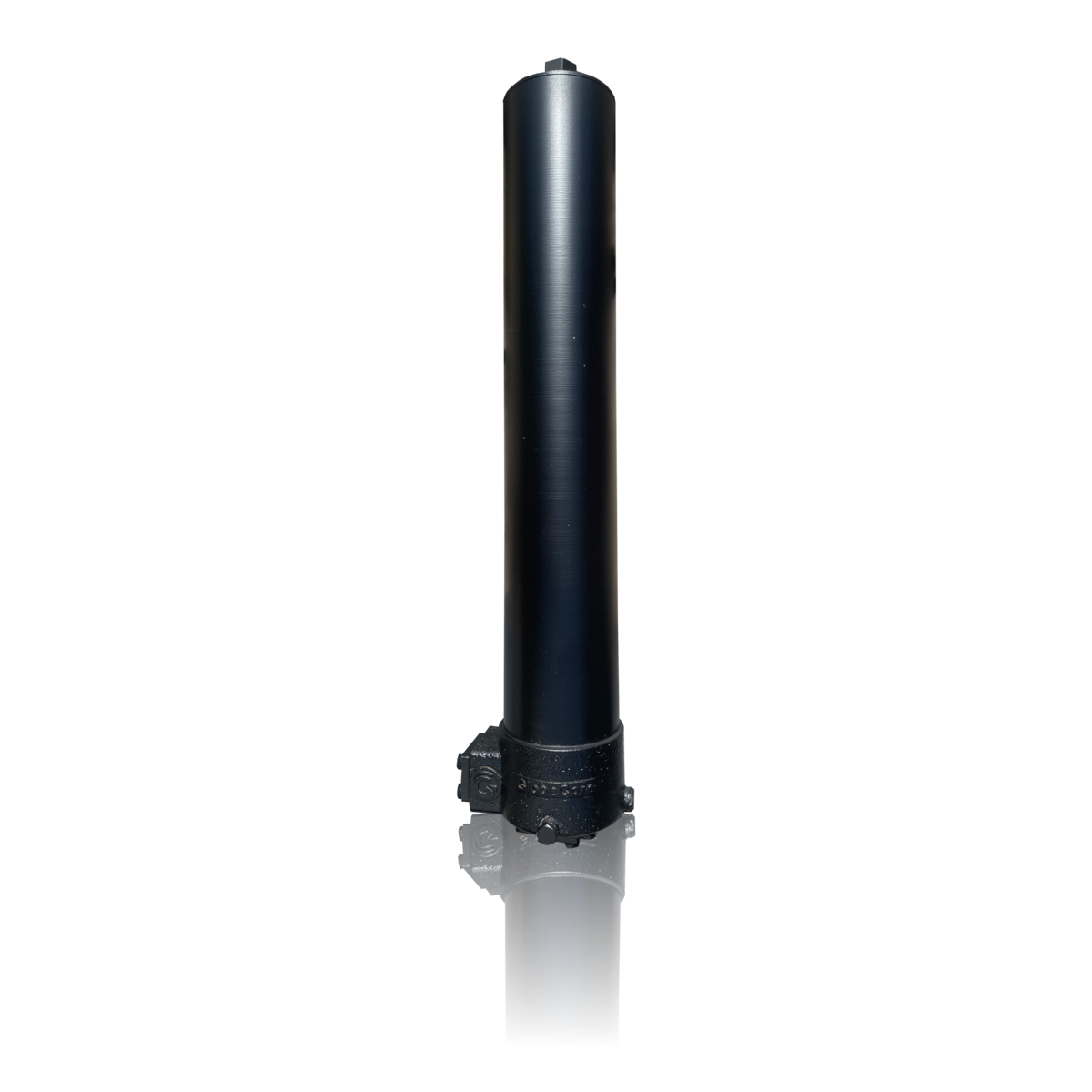
For on-site blending of diesel with additives (winter or Arctic blends) the typical skid you want is a skid-mounted hydrodynamic cavitation mixing unit (USB family). These skid-mounted units (also available in containerized or trailer-mounted formats) perform in-line injection and high-shear hydrodynamic impact to produce stable, high-dispersion mixtures of two to seven constituents, with capacities commonly in the 18–100 m3/h range depending on model and duty.
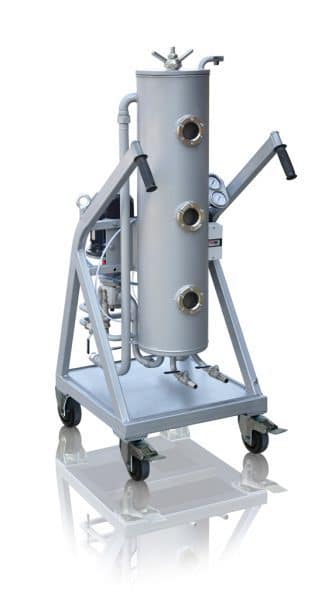
If your primary objective is purification—removing free and emulsified water, particulates and polishing color/odor—you’d look at fuel dehydration/polishing skids that incorporate separation, filtration and heating stages (typical CMM-style polishing units). Note that these mixing and polishing skids are not described as flash-point–raising systems; changing flash point usually requires different blending or refinery-type treatments and should be validated by lab testing. If you tell me your target flow rate and whether you need blending, dehydration or both, I can recommend the appropriate skid configuration.
-
September 7, 2026 at 1:41 pm by Craig Price
For diesel fuel treatment aimed at increasing the flash point, a suitable GlobeCore solution is the CMM-4,0F oil and fuel filtration unit, which can be configured for purification of diesel fuel from particulate matter and contaminants. However, if the low flash point is caused by the presence of light volatile fractions, filtration alone will not be sufficient. In this case, GlobeCore equipment with a vacuum treatment stage should be considered to remove volatile components and moisture under controlled conditions. The exact configuration should be selected according to the initial and required flash point, fuel composition, contamination level, and the required processing capacity. A laboratory analysis of the fuel before treatment is recommended to determine the most appropriate GlobeCore configuration.
-
September 7, 2026 at 1:46 pm by Brandon Martin
Your summary is correct: the CMM-4,0F can be used to purify diesel from particulates and common contaminants and is a reasonable starting point when the goal is to raise or stabilize flash point, but if the low flash point is caused by light volatile fractions (low-boiling ends) filtration alone won’t fix it. Before selecting equipment, get a lab analysis that includes flash point (ASTM D93), distillation curve (D86 or equivalent), GC for light ends, water content (Karl Fischer), sediment & water, and particle counts. Those data let you determine whether heating plus filtration is sufficient or whether a vacuum degassing/stripping stage is required to remove volatiles and entrained moisture.
If volatiles are present, look at a CMM-series configuration that combines controlled heating, vacuum degassing and polishing filtration; preheating to lower viscosity, vacuum dehydration/degassing to strip light ends and moisture, then multi-stage filtration for particulates and final polishing will give the best chance of meeting the target flash point. Size the skid to your required throughput, ensure adequate condensate/vapor handling and VOC management, and validate treated batches with post-treatment lab tests. If you share the initial and target flash points, fuel composition and required capacity, I can suggest a more specific configuration and treatment sequence.