

Bitumen Modification
Why is polymer compatibility crucial in bitumen modification?
- This topic has 3 replies, 4 voices, and was last updated 2 months, 3 weeks ago by .
Answers
-
November 21, 2024 at 2:02 am by Linda Jackson
Polymer compatibility is crucial because incompatible polymers can separate from the bitumen, leading to phase separation and inconsistent performance. Compatibility ensures that the polymer modifies the bitumen effectively, enhancing properties like elasticity, stiffness, and resistance to deformation without negatively affecting workability or storage stability. A compatible blend maintains homogeneity throughout its service life.
-
July 13, 2026 at 1:57 pm by Craig Price
One of the key factors in achieving stable polymer-modified bitumen is not only the choice of polymer, but also the mixing process efficiency. Even a compatible polymer requires proper dispersion throughout the bitumen matrix to achieve uniform properties and prevent local variations in performance.
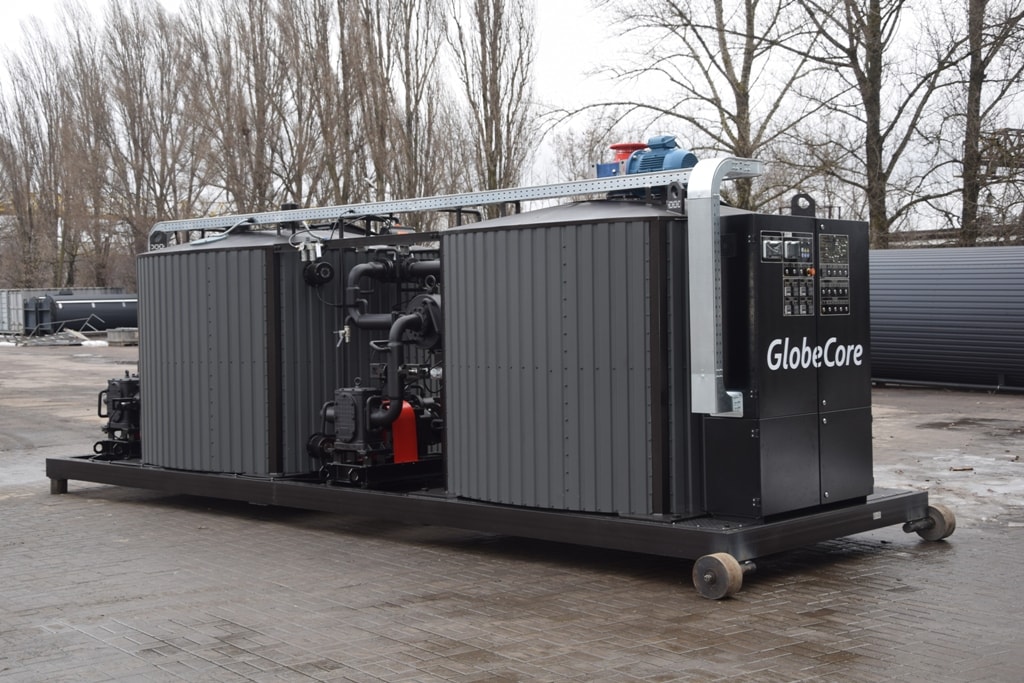
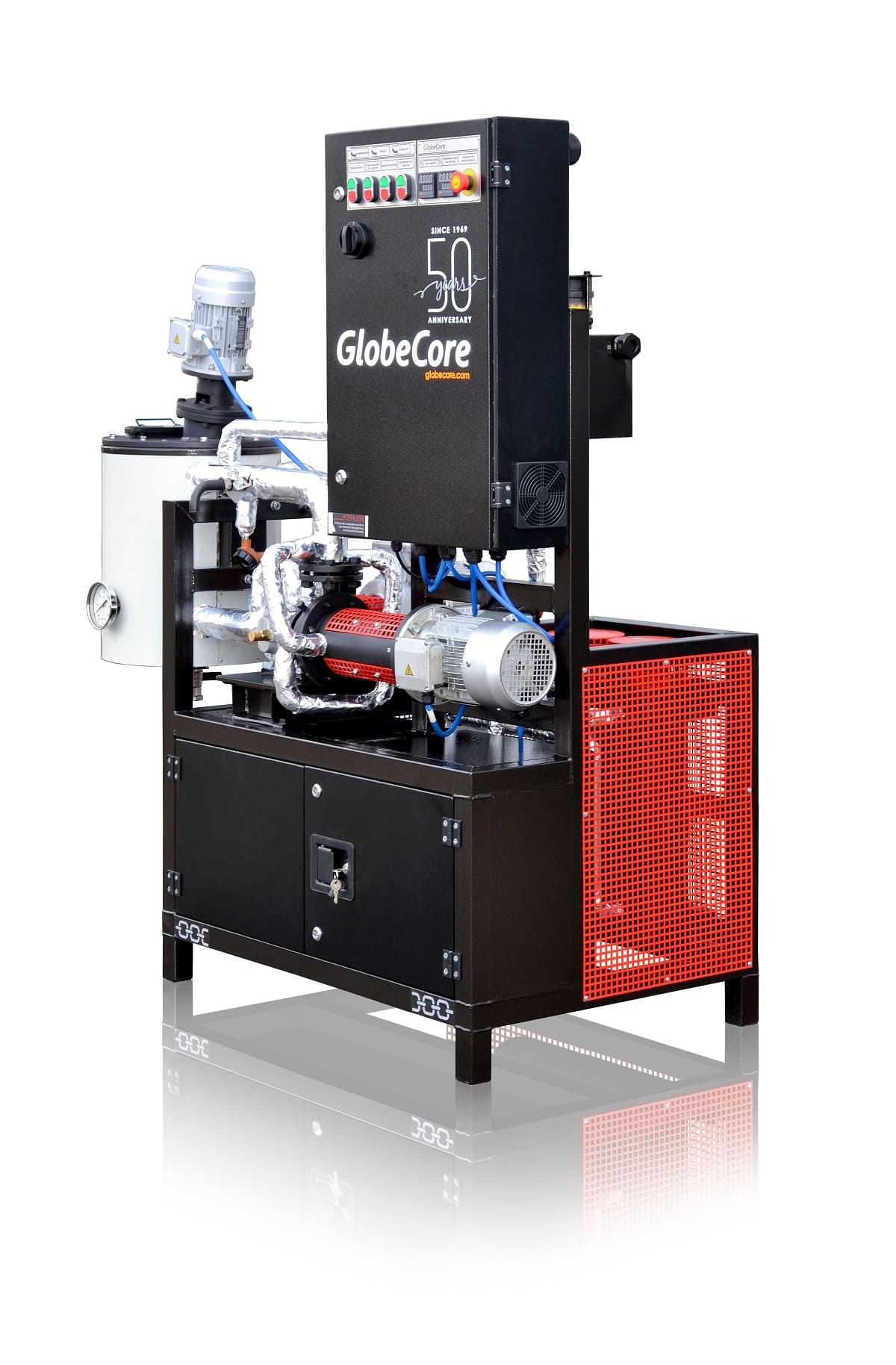
Industrial modification systems use controlled heating, intensive mixing, and high-shear dispersion technologies to ensure that polymer particles are evenly distributed within the bitumen. Equipment such as the USB-3 bitumen modification unit is designed for continuous production of homogeneous polymer-modified bitumen, helping manufacturers maintain consistent quality during large-scale asphalt production.Attachments:
-
July 13, 2026 at 2:05 pm by Fatima Alhassan
You’re absolutely right — compatibility is only half the battle. Even a polymer that’s chemically compatible with the binder must be dispersed uniformly to turn the blend into a true polymer‑modified bitumen with consistent elasticity, rutting resistance and storage stability. In practice that means controlled heating to reach a workable viscosity, intensive mixing and high‑shear dispersion (often using a mill or continuous mixer) so polymer particles swell, solvate and distribute evenly rather than forming localized agglomerates that cause phase separation or uneven mechanical properties.
On the plant side, reliable continuous units built for PMB production help lock in process variables: stable temperature control, accurate polymer dosing, sufficient residence time under high shear, and prevention of polymer overheating or degradation. Confirming dispersion and stability with routine checks — visual/storage stability tests, softening point/penetration measurements, rheological tests (DSR) or microscopy when needed — lets you catch issues early. If you want, I can look at your attached photo and suggest whether the equipment setup or mixing practice shown might be contributing to dispersion problems, or provide recommended process-control checks tailored to the polymer type you’re using.