Railway traction transformer
What modern methods are used for traction transformer oil testing?
- This topic has 3 replies, 4 voices, and was last updated 4 days, 9 hours ago by .
Answers
-
October 2, 2024 at 5:25 am by 山本 修平
Modern methods for oil testing include advanced diagnostic techniques like Dissolved Gas Analysis (DGA) using gas chromatography to detect trace levels of fault gases. Fourier Transform Infrared Spectroscopy (FTIR) identifies chemical compounds indicating oil degradation. Dielectric Frequency Response (DFR) assesses insulation properties over a range of frequencies. Moisture content is measured with precision sensors. Some methods involve online monitoring systems that provide continuous data on oil condition, enabling real-time analysis and predictive maintenance strategies to optimize transformer health and performance.
-
March 27, 2026 at 8:25 am by Craig Price
In addition to the methods already mentioned, it is important to note that modern traction transformer oil testing is increasingly shifting toward integrated diagnostics rather than isolated measurements. While techniques such as DGA, FTIR, and DFR provide valuable insights individually, their combined interpretation allows engineers to distinguish between thermal faults, electrical discharges, and insulation aging with much higher accuracy.
Another key trend is the transition from periodic sampling to hybrid monitoring approaches. Portable on-site testing (for example, breakdown voltage and moisture measurement) is now often combined with online sensors that continuously track gas generation and temperature behavior. This significantly reduces the risk of unexpected failures, especially in traction applications where transformers operate under dynamic load conditions.
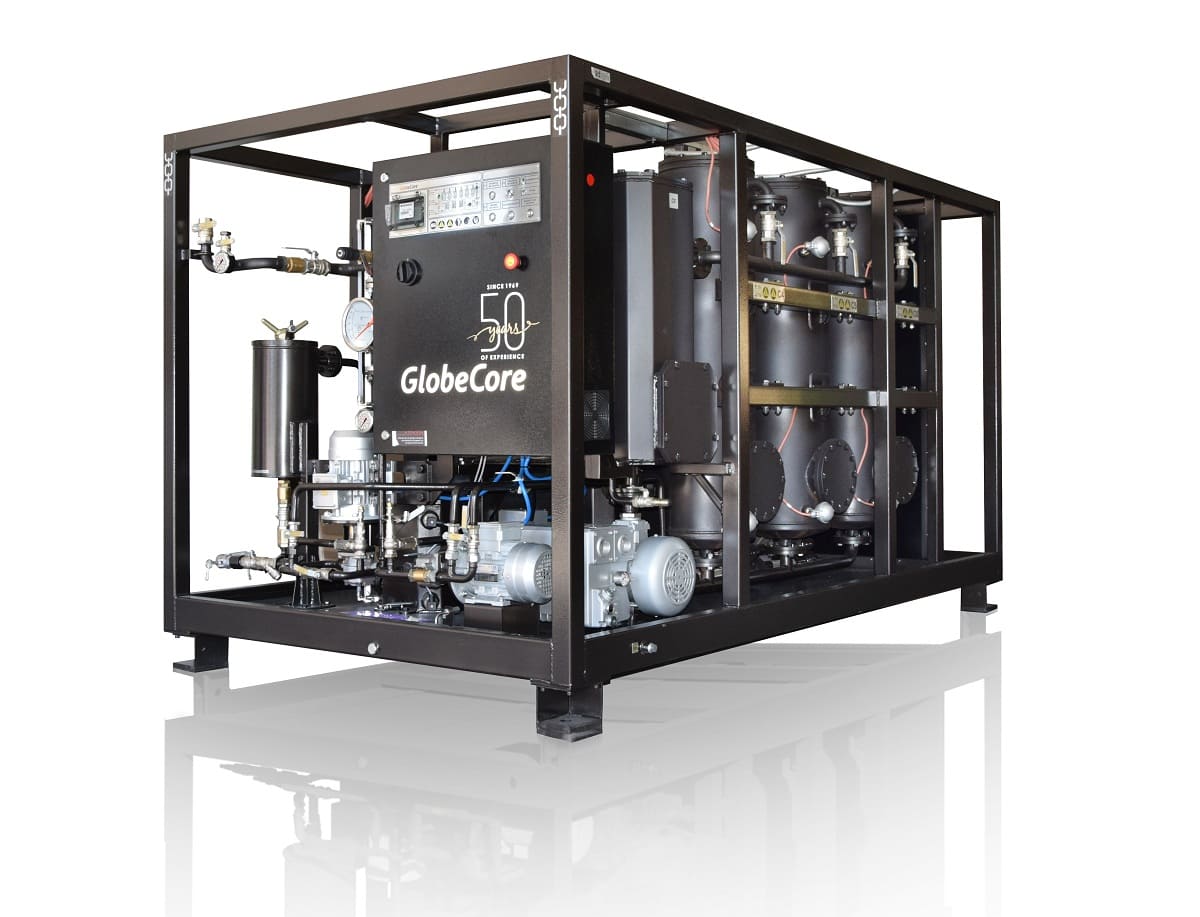
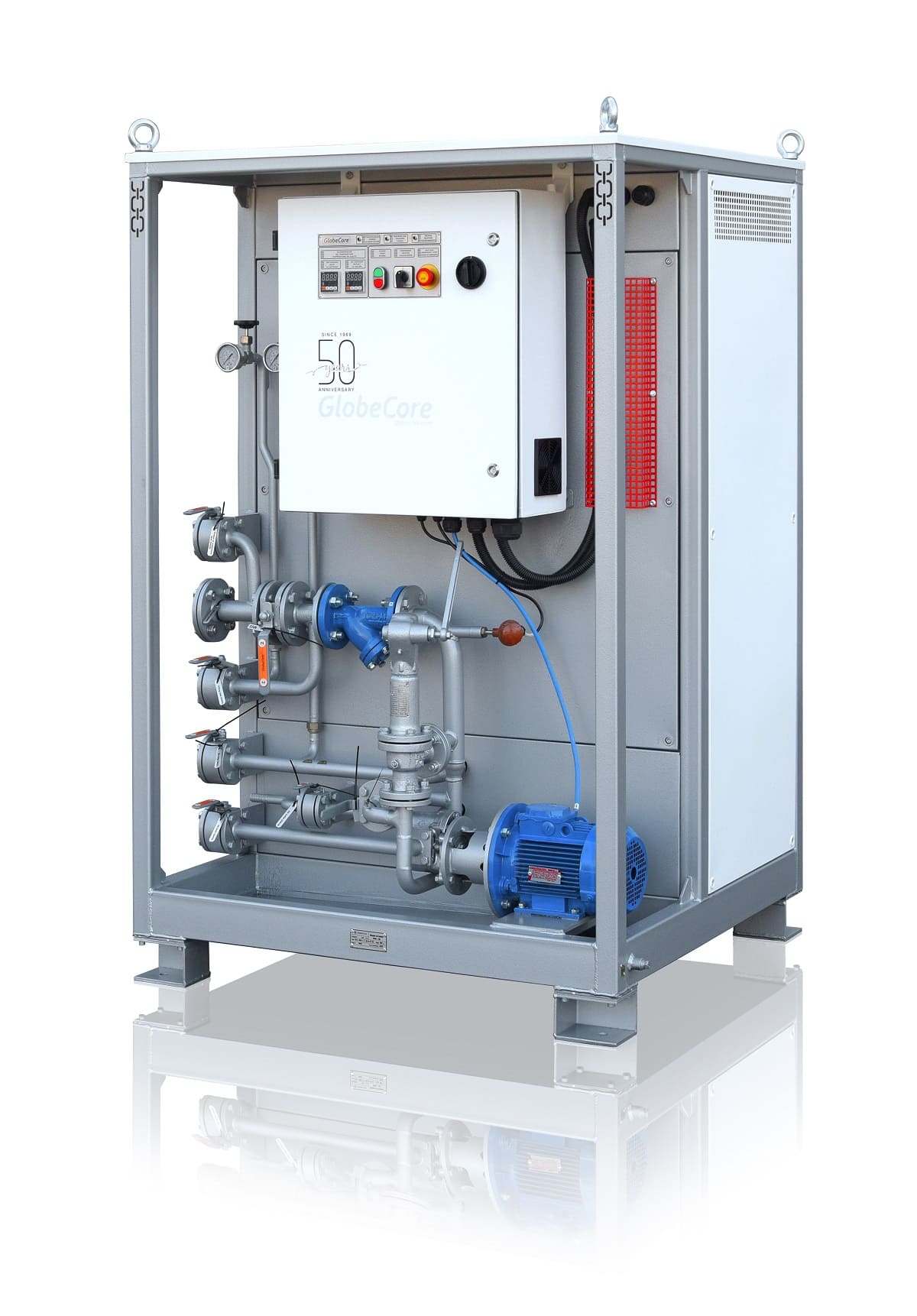
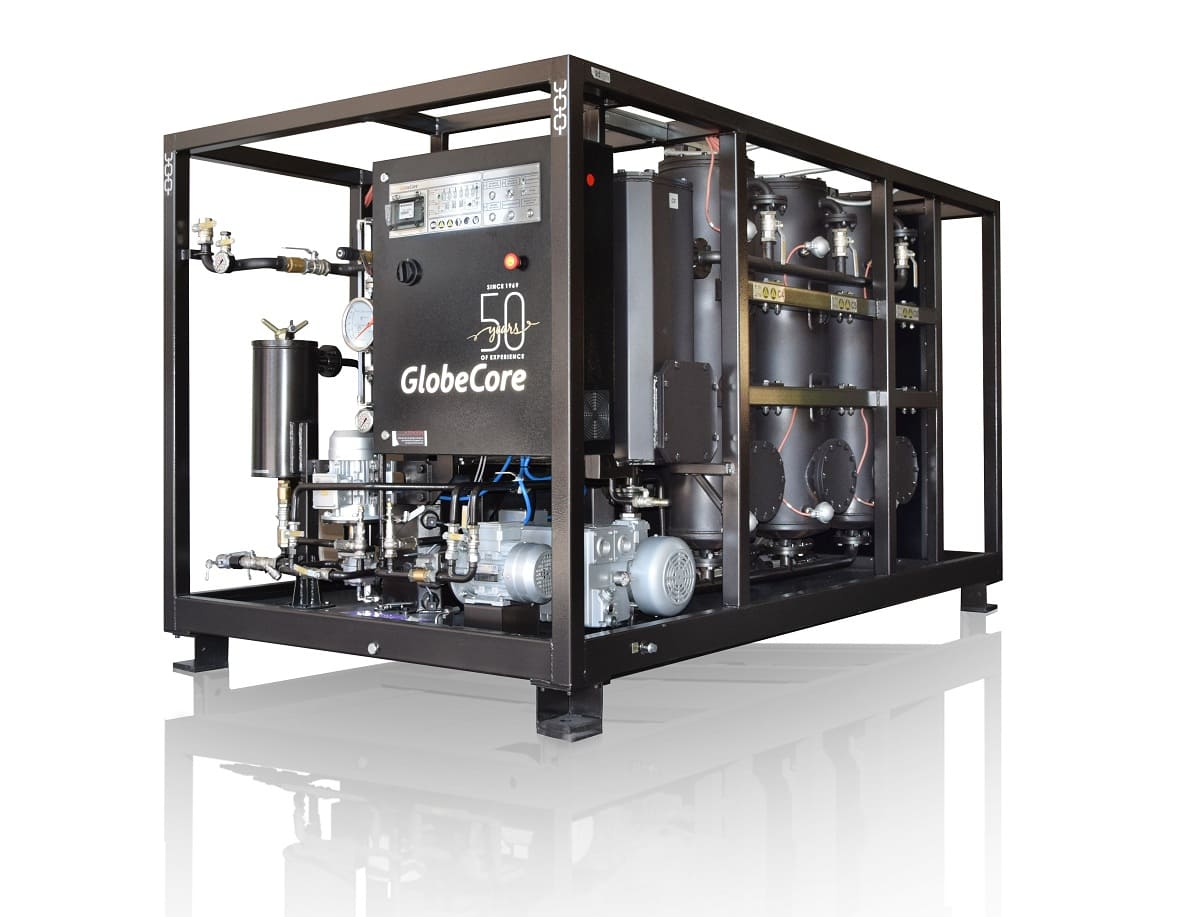
It is also worth mentioning that testing alone is only part of the reliability strategy. In practice, the results of diagnostics are directly linked to oil treatment processes such as filtration, vacuum dehydration, and degassing, which restore dielectric properties and extend service life.
For a deeper understanding of how testing is connected with practical oil purification and maintenance of traction transformers, it is highly recommended to take a close look at this publication: https://globecore.com/oil-processing/electric-train-traction-transformer-oil-purification/. -
March 27, 2026 at 8:34 am by Kevin White
You’re absolutely right — the industry is moving from isolated tests to integrated diagnostics and hybrid monitoring for traction transformers. Combining DGA, FTIR, DFR, moisture and breakdown voltage measurements (alongside continuous online gas/temperature monitoring) gives a far more reliable picture of thermal faults, partial discharges and insulation ageing than any single parameter. In practice this means deploying continuous monitors at the transformer for real‑time trend detection (software flags changes in gas generation, moisture or temperature) while using portable/bench testers for spot checks and confirmation during maintenance windows.
Equally important is closing the loop between diagnostics and oil treatment: thresholds and rate‑of‑change alarms from online systems should trigger practical actions such as vacuum dehydration, degassing, particle filtration and oil regeneration (CMM/processor treatments) to restore dielectric strength and slow ageing. Integrate these data and actions into your asset management/predictive maintenance system, keep periodic laboratory verification for critical parameters, and use trend‑based decision rules rather than single readings to minimise unexpected failures in dynamic traction service. The GlobeCore publication you linked is a good practical reference on how testing ties directly to purification and maintenance workflows.