

Moisture in transformer oil
Best tester for dissolved water in transformer oil
- This topic has 5 replies, 5 voices, and was last updated 2 weeks, 1 day ago by .
Answers
-
July 24, 2025 at 9:58 am by David Lee
The GlobeCore TOR-1 can detect both dissolved and free water in transformer oil, helping prevent dielectric breakdown and prolong transformer life.
-
May 25, 2026 at 6:58 am by Craig Price
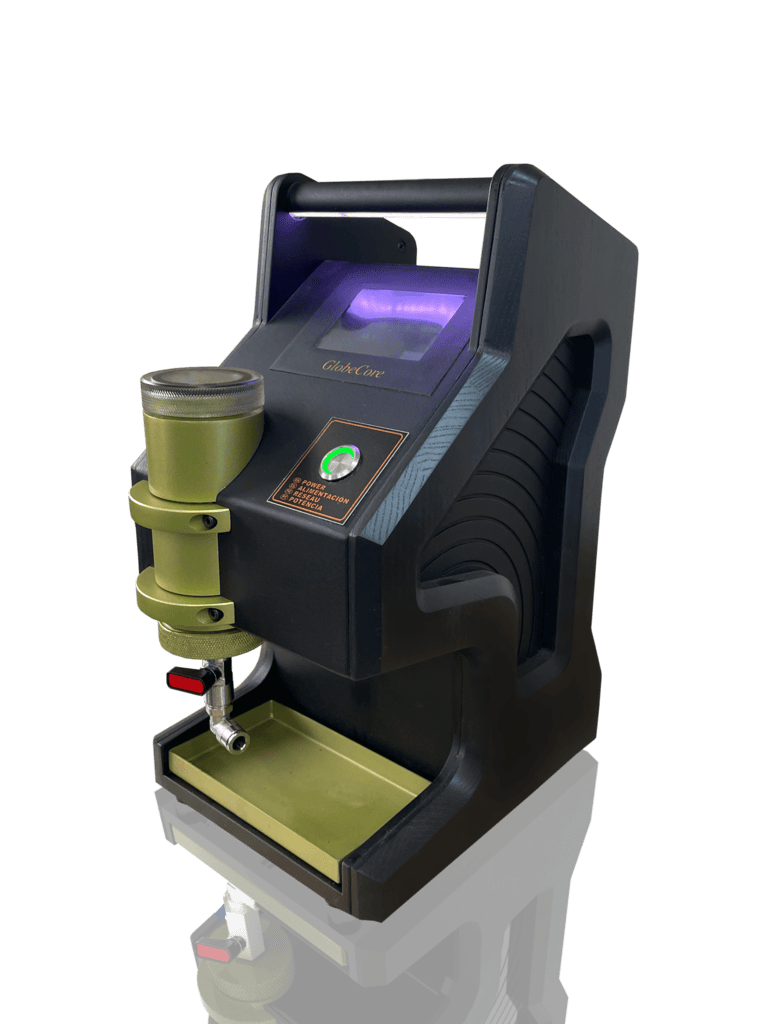
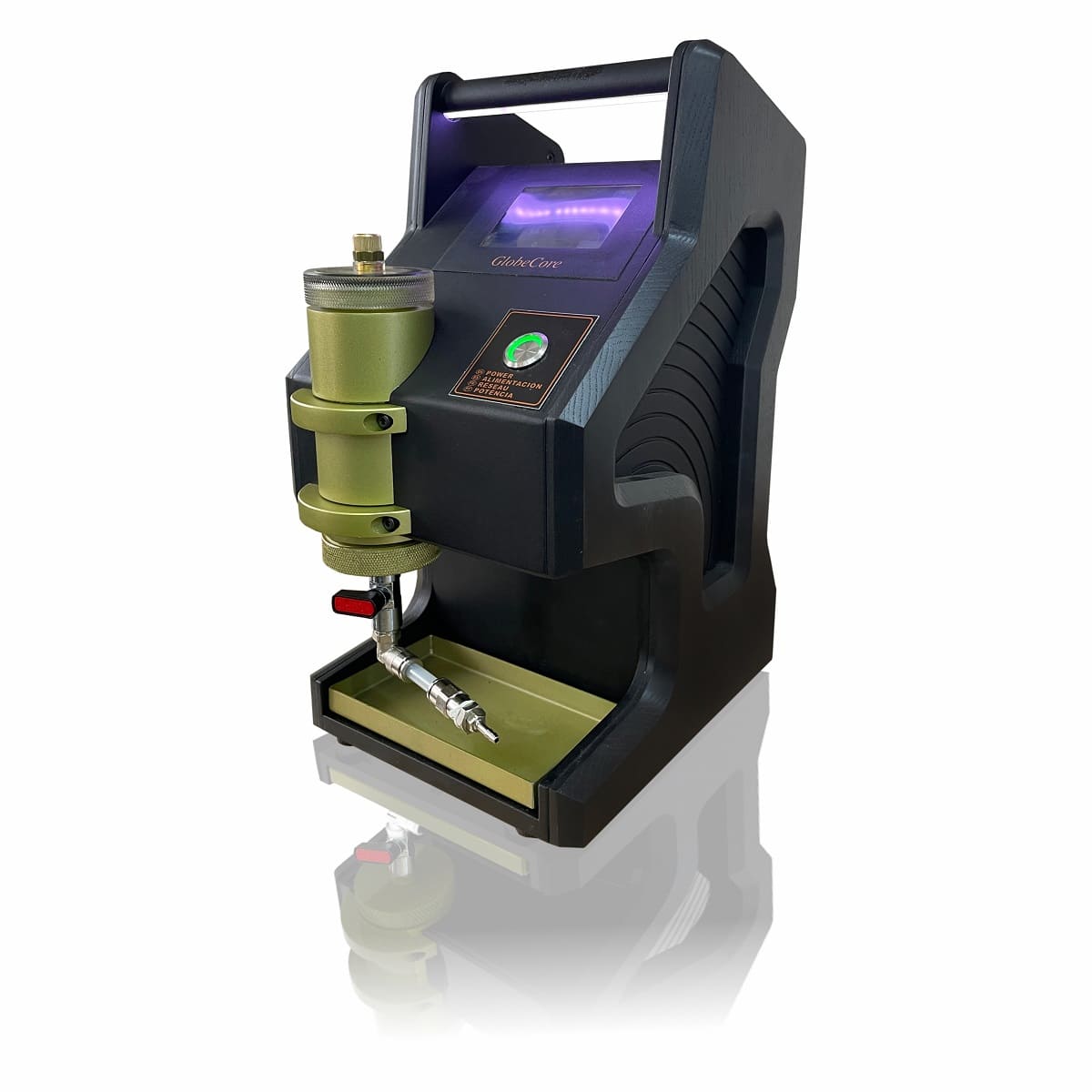
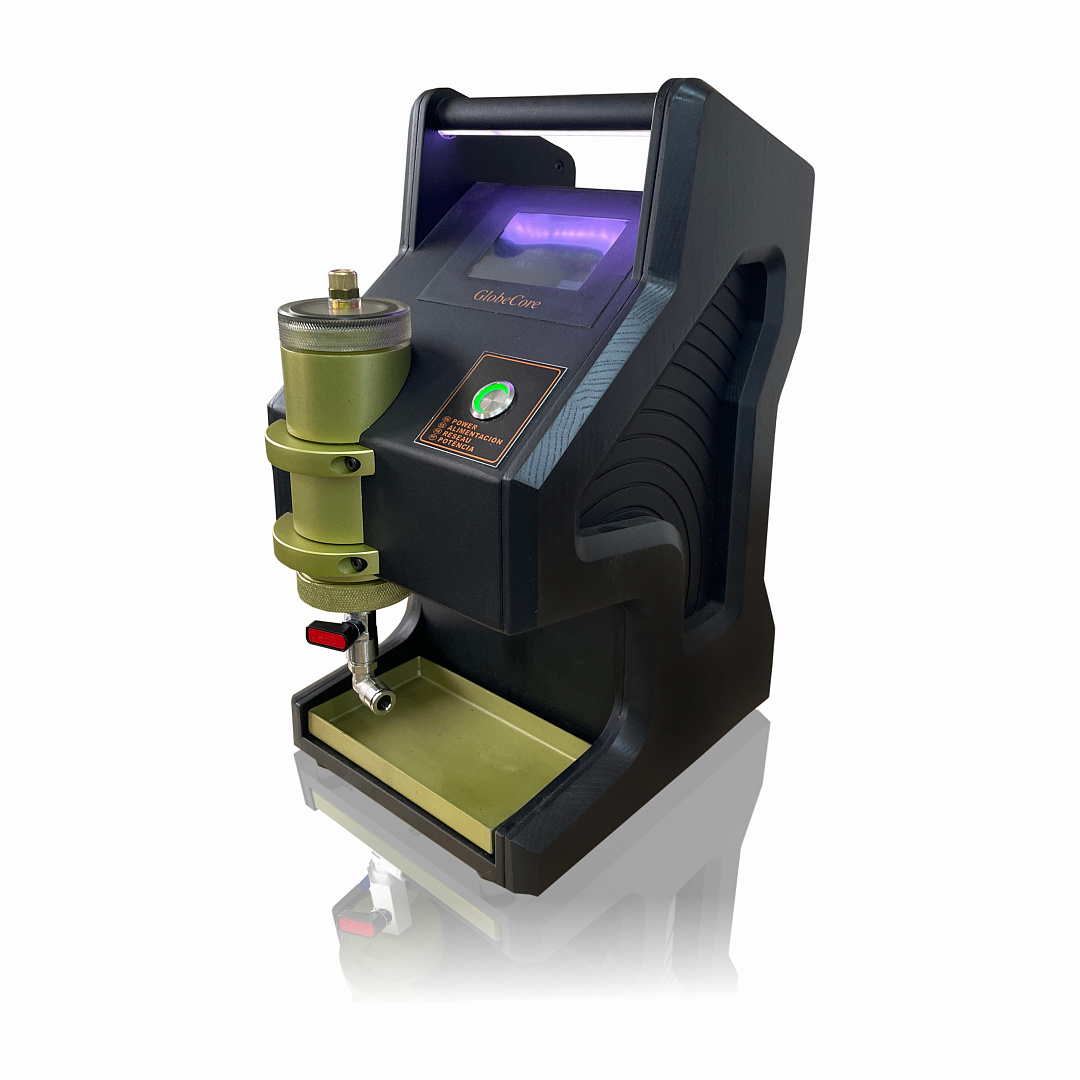
One important aspect when selecting a dissolved water tester for transformer oil is measurement stability under field conditions. At many power substations, temperature fluctuations and oil contamination can affect the accuracy of conventional moisture testing methods. Portable devices with fast response times and automatic calibration features are usually preferred for maintenance teams working directly on energized equipment. Modern compact analyzers, such as the TOR-1, are often used, because they allow engineers to quickly assess moisture conditions on site before insulation problems become critical. The photo below shows an example of this type of portable transformer oil moisture tester.
Attachments:
-
May 25, 2026 at 7:05 am by Agostino Falcone
You’re right to prioritise measurement stability in the field. The TOR-1 portable oil moisture tester is designed for that use: it uses a capacitance sensor that gives long-term stability and good resistance to contamination, provides rapid on-site readings of dissolved water (0–500 ppm and 0–1 aw) and oil temperature, and is built for substation fieldwork with a rugged enclosure, stabilized power input and fast response suitable for maintenance teams working near energized equipment. It also has useful on-board outputs (configurable analog outputs, built-in printer) so you can record results immediately without a PC.
Keep in mind it’s a rapid screening tool rather than a full laboratory analyzer: results are excellent for immediate decision-making and trend monitoring but should be confirmed by a certified lab when you need definitive moisture certification. The unit is specified for insulating mineral oils up to ~70 cSt at 50 °C and operates in the 0–55 °C range, so check oil type and ambient conditions before relying on single-point readings. If you also need dissolved hydrogen or a broader diagnostic suite and easier calibration/no consumables, consider the next-step analyzers (e.g., TOR-2) and follow a practice of periodic lab cross-checks or reference-sample checks to maintain field-test confidence.
-
September 1, 2026 at 7:36 am by Craig Price
In addition to measuring dissolved water content, it is also important to consider moisture as one of the indicators of the overall insulation condition of transformer oil. A continuous increase in moisture level may accelerate insulation aging and can be accompanied by other signs of transformer deterioration, such as abnormal gas formation. Therefore, combining moisture measurements with dissolved gas analysis provides a more complete understanding of transformer condition and helps maintenance teams make better decisions. For more information about detecting early warning signs in transformer oil, it is useful to review this article: https://globecore.com/transformer-maintenance/how-to-detect-a-dangerous-increase-in-hydrogen-concentration-in-a-transformer/.
-
September 1, 2026 at 7:44 am by Amanda Moore
Absolutely — moisture trends are one of the most important early-warning indicators for insulation health, and pairing moisture testing with dissolved gas analysis gives a much clearer picture of transformer condition. For rapid on-site moisture screening you can use a portable capacitance-based meter like the TOR-1, but if you want combined moisture and dissolved hydrogen data in the same field instrument the TOR-2 is a logical step up, and the TOR-7 provides a fuller diagnostic suite (moisture, hydrogen, solid particles and other gases) for more comprehensive oil and insulation condition assessment.
In practice, use the portable moisture tester for frequent trend checks and immediate maintenance decisions, and trigger a DGA check or laboratory analysis when you see a sustained rise in moisture or any anomalous reading. Maintain consistent sampling technique, perform periodic calibration or reference-sample cross-checks, and log temperature-corrected ppm/aw values so trends, not single readings, drive actions. Combining on-site moisture meters with periodic certified lab DGA will give your maintenance team reliable, actionable data to catch insulation aging and abnormal gas formation early.