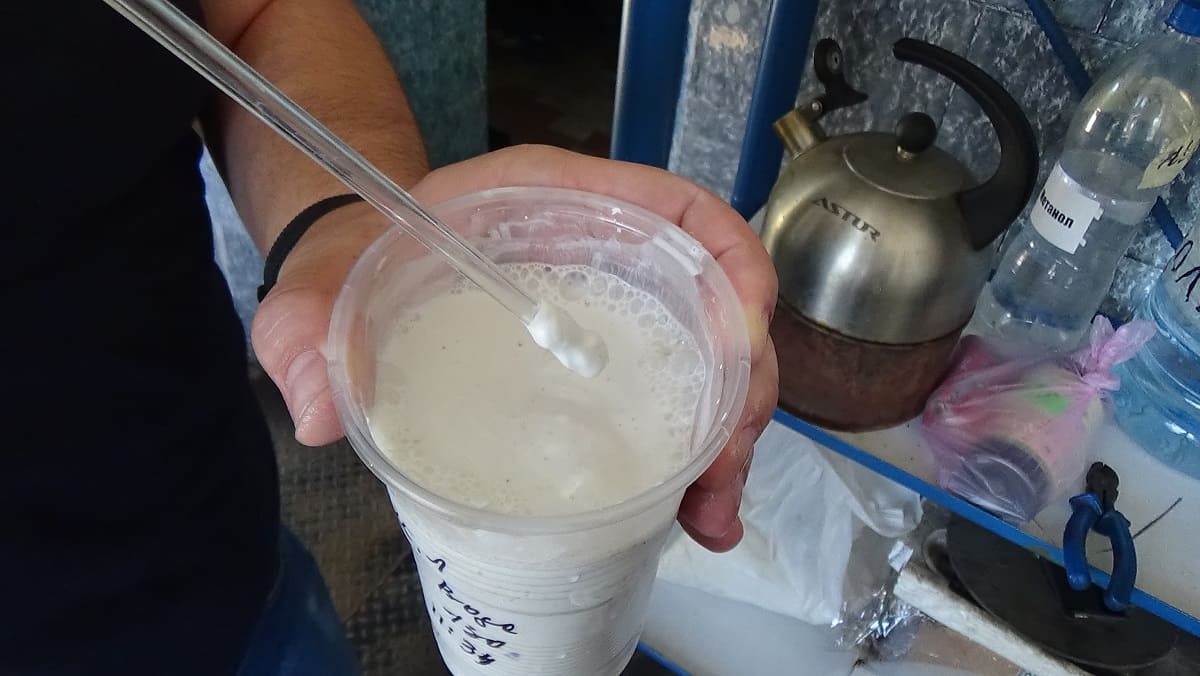
Gypsum is a mineral of sulfate class used in the chemical, pulp and paper industry, in the agricultural sector as a fertilizer, as well as in the construction industry as a binder for production of dry mixes and materials. Gypsum grinding and activation take place in almost every field. In the industrial sector, the mineral is used in the form of a fine powder with clay and sand impurities removed.
It is initially supplied to an enterprise in the form of stones, large pieces of rock that require further processing. Gypsum activation and grinding make it possible to obtain a finely dispersed powder with a high ability to interact with other ingredients of the mixes wherein it is further used.
Why is gypsum activation required for construction materials?
Production of construction materials, dry mixes, plasters, putties, grouts is the most common field of gypsum application. It is the first binder ever used by humans in the construction industry. Gypsum is also used in production of partition plates, panels, claddings, gypsum plasterboards, acoustic structures, etc.
Gypsum is considered to be a promising binder in production of construction materials. It is inexpensive, environmentally friendly, and distinguished by the ability to harden quickly. But at the same time, the material is inferior to a number of other binders in strength and resistance to moisture. Proper preparation, processing, and activation of gypsum allow improving the quality of products and surfaces made on the basis of this ingredient.
When gypsum is used as a binder for dry construction mixes, the degree of its dispersion and activation is of particular importance. The quality of the construction material depends on these indicators. In terms of grinding degree, gypsum plaster is classified into three groups:
- coarse — up to 23% of particles greater than 0.2 mm;
- medium — up to 14% of particles greater than 0.2 mm;
- fine —up to 2% of particles greater than 0.2 mm.
In terms of strength, gypsum is classified into 12 grades . The compressive strength varies from 2 to 25 MPa. These characteristics can be influenced by changing the degree of particle activation and the grinding fineness of the material.
Classic technologies for gypsum production
Gypsum production begins with extraction and delivery of gypsum in the form of a stone to a mineral processing facility. Common technologies involve initial gypsum grinding in a jaw crusher and further finer processing in a hammer-type unit. As a result, we obtain a powder which then goes to thermal treatment in digesters. Sometimes, a rotary kiln or a combined device serving as a gypsum mill with a grinding and baking function is used. Gypsum grinding is also carried out after baking, digesting.
Thus, traditionally, gypsum is produced according to the following design scheme:
- gypsum stone crushing by means of jaw, hammer crushers;
- gypsum grinding and drying in a shaft mill;
- heating in an autoclave, a digester and thermal soaking;
- regrinding of the material.
Due to dehydration and grinding, we obtain a binding agent which undergoes hydration again, forms a strong structure or surface during the hardening process when water is added.
Depending on the type of thermal treatment, gypsum is obtained in α or β modification. α-gypsum is characterized by increased strength due to lower porosity. However, its production is rather complex due to the specificity of thermal treatment in saturated steam in an autoclave or when using calcium or magnesium chloride. Dehydration is carried out in a closed, sealed chamber, container, and moisture is removed by dripping. Due to the complexity of production, this gypsum has not become widely used in construction.
β-gypsum modification has become popular. It is obtained by baking at the temperature of 150–180 °C in open chambers. Due to moisture evaporation, dihydrate gypsum CaSO4 x 2H2O becomes hemihydrate CaSO4 x 0.5H2O. It is different in porous structure, and therefore, less strong than α-gypsum, but easier and more affordable to produce. And the improvement of technologies for activation, grinding, and preparation helps in bringing it more in line with α-gypsum features and in making a product with the features specific to gypsum-based mixes from materials of two modifications.
Furthermore, there is an anhydrous natural type of gypsum. It is referred to as anhydrite. Binders based thereon are produced without thermal treatment of the material, because no dehydration process is required.
Gypsum activation methods
Gypsum activation and grinding to a finely dispersed state allow improving the quality of binder as a result of which the physical and mechanical characteristics of gypsum construction materials and building structures can be improved. The known methods of mechanochemical activation using quicklime, hydrated lime, acid ash do not allow achieving high strength values of the materials based on this kind of binder. In addition, they require using chemical agents.
Another activation method involves ionization and rapping of particles in a chamber made of dielectric material. The technology uses coaxial electrodes by means of which ionization, rapping initiated by an electromagnetic field are carried out. The activation process using this method is rather complex, costly, and the resulting material is distinguished by not the highest strength.
The easiest way to improve the quality of binder is to use mechanical activation. It involves gypsum grinding by means of centrifugal vibrating, ball-ring mills and disintegrators. In addition, gypsum activation is carried out. Chemical agents, for example, alkylidene phosphonic acids, are used for greater processing efficiency. As a result of mechanical activation, excess energy evolves on the surface of gypsum particles which contributes to an increase in the reactivity of activated material.
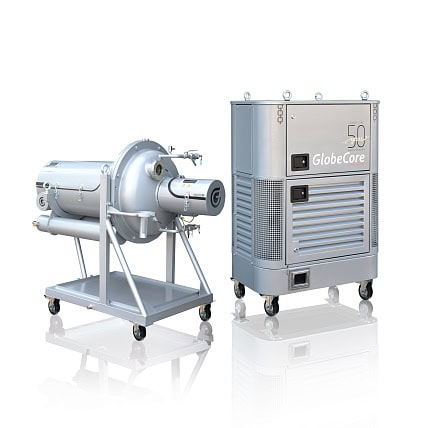
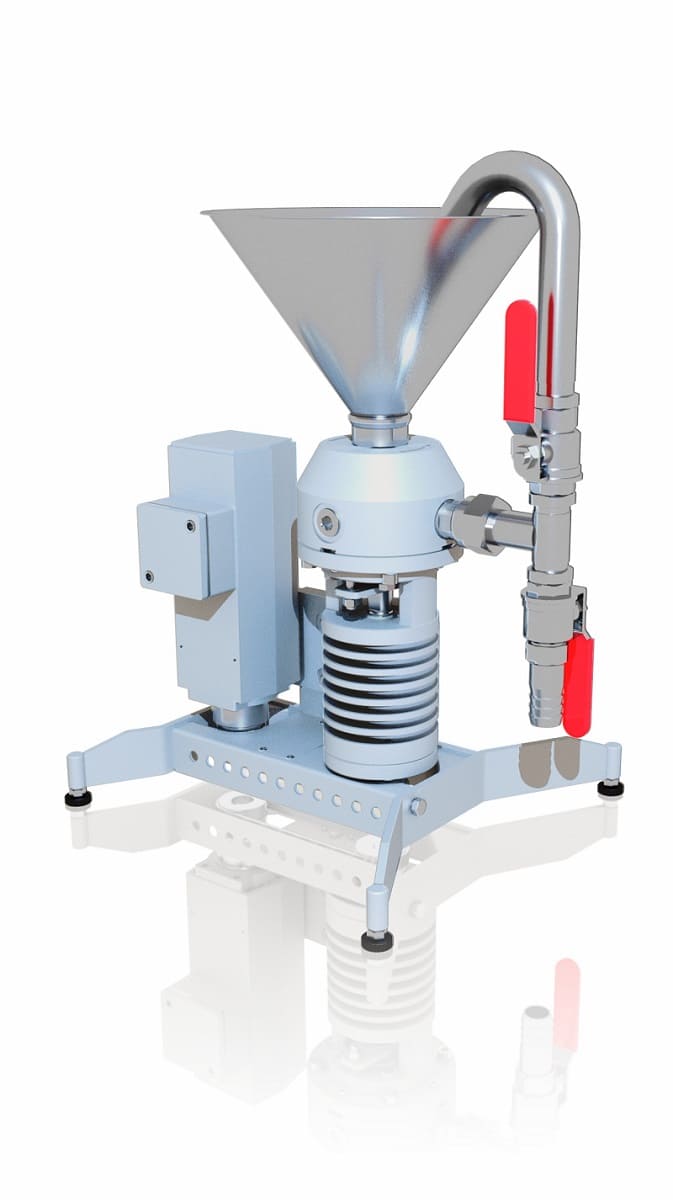
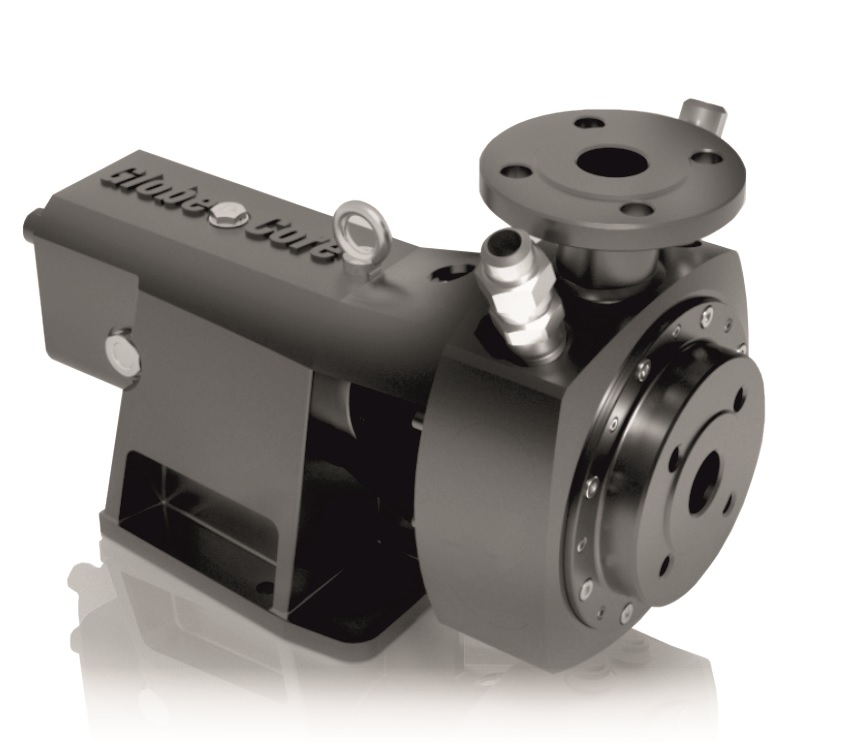
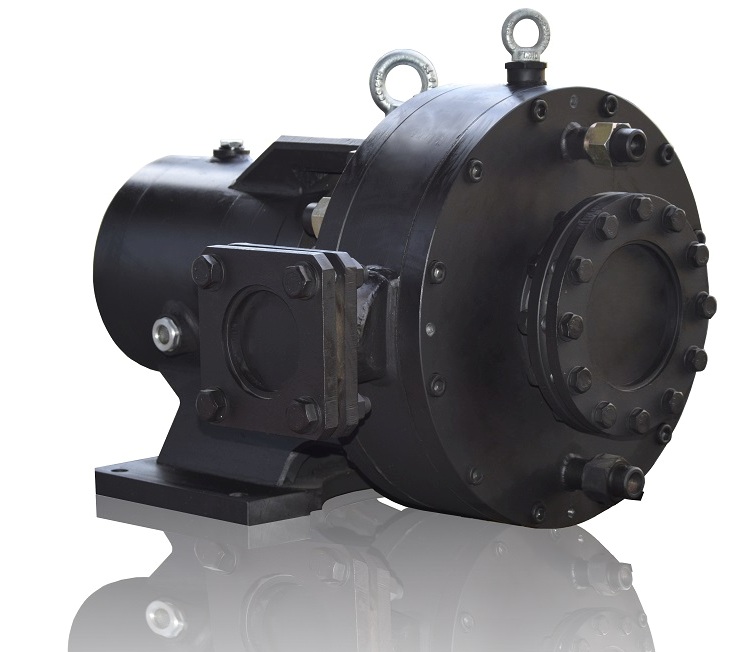
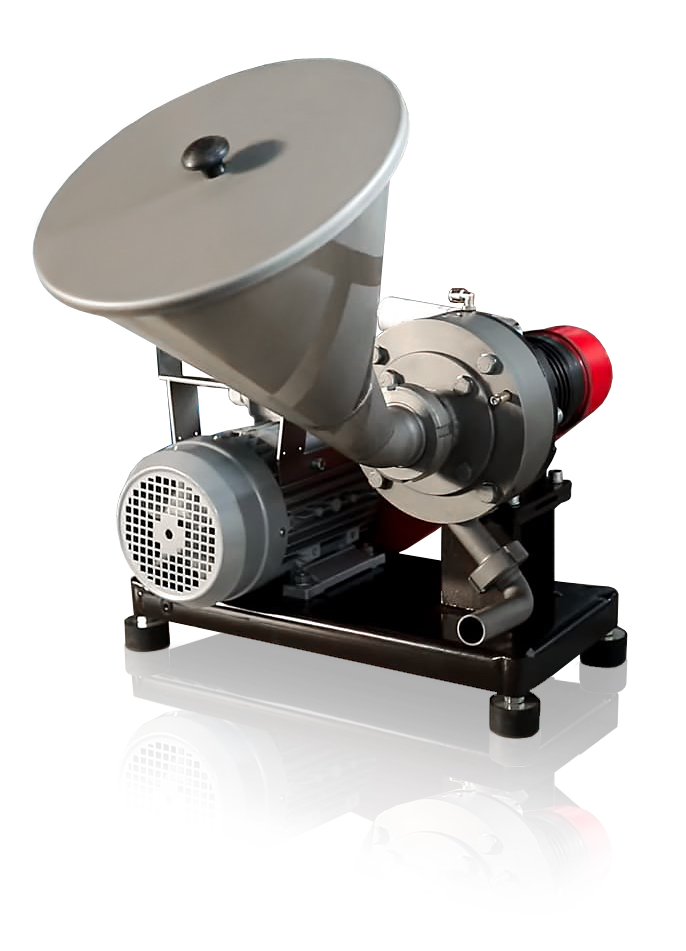
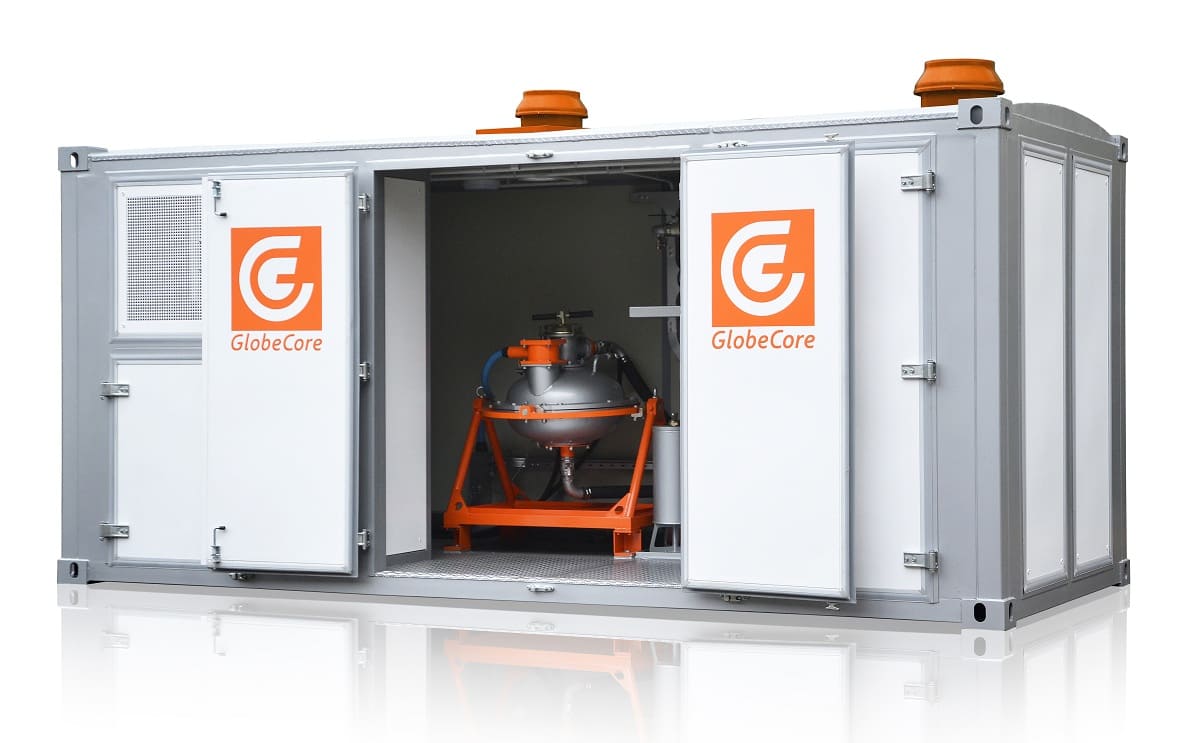
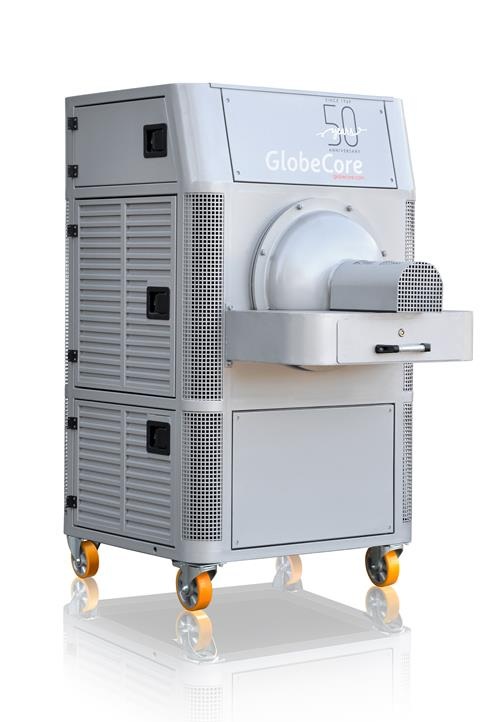
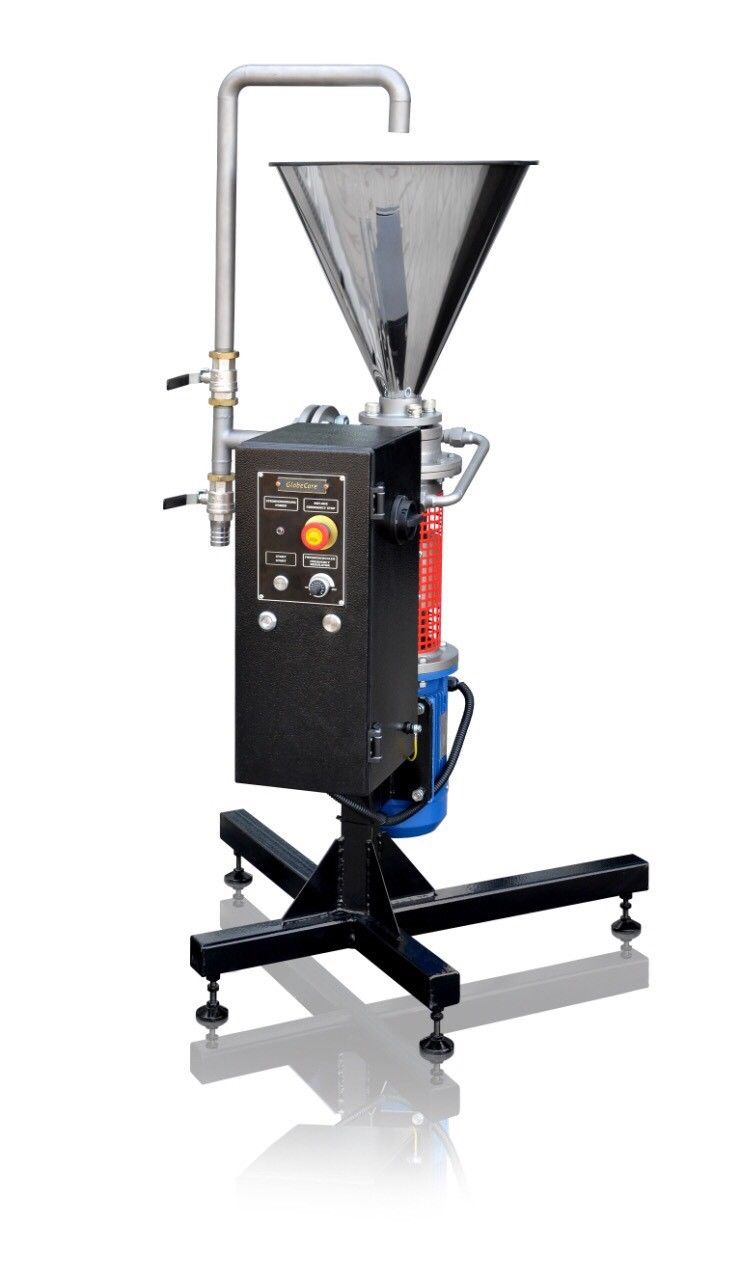
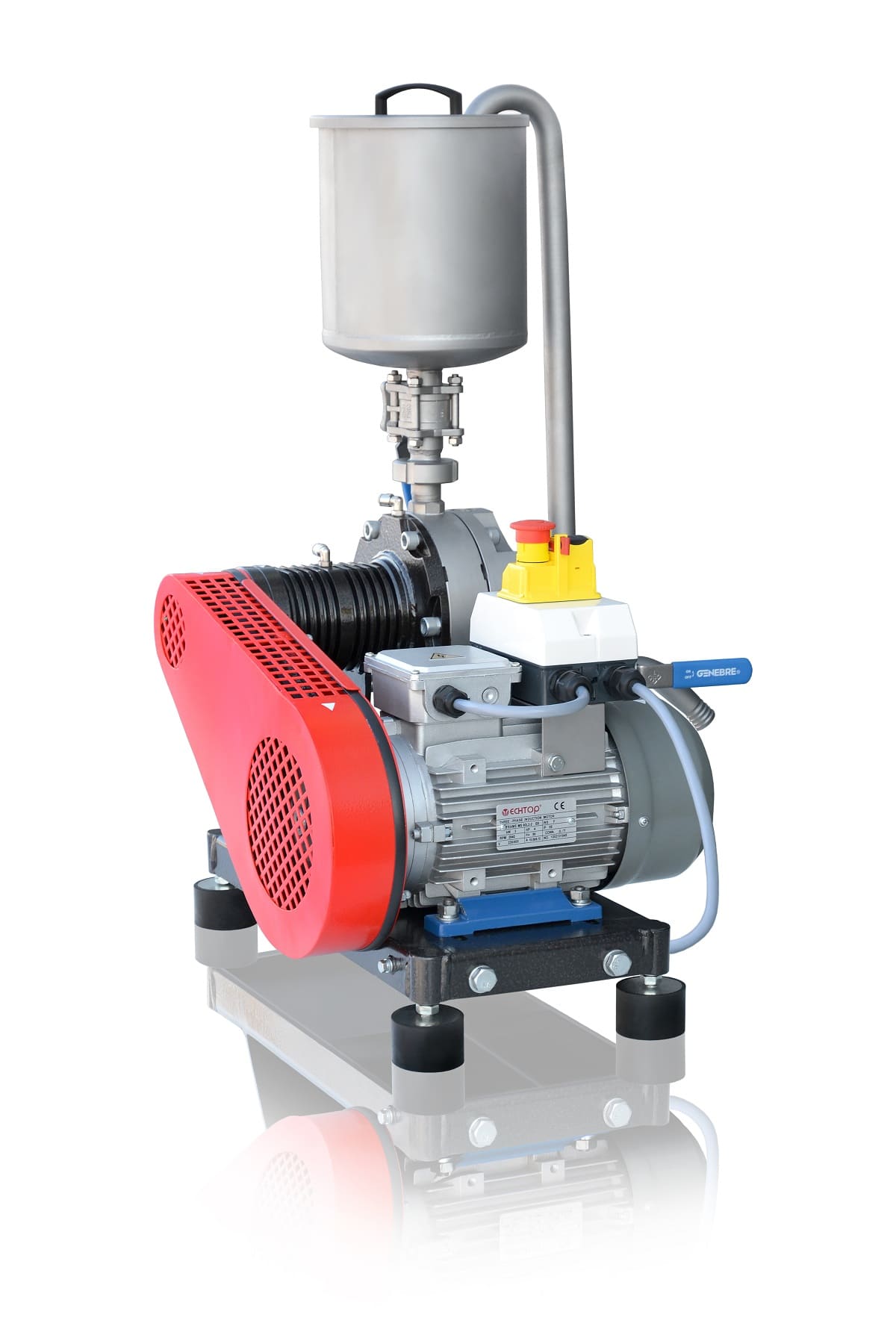
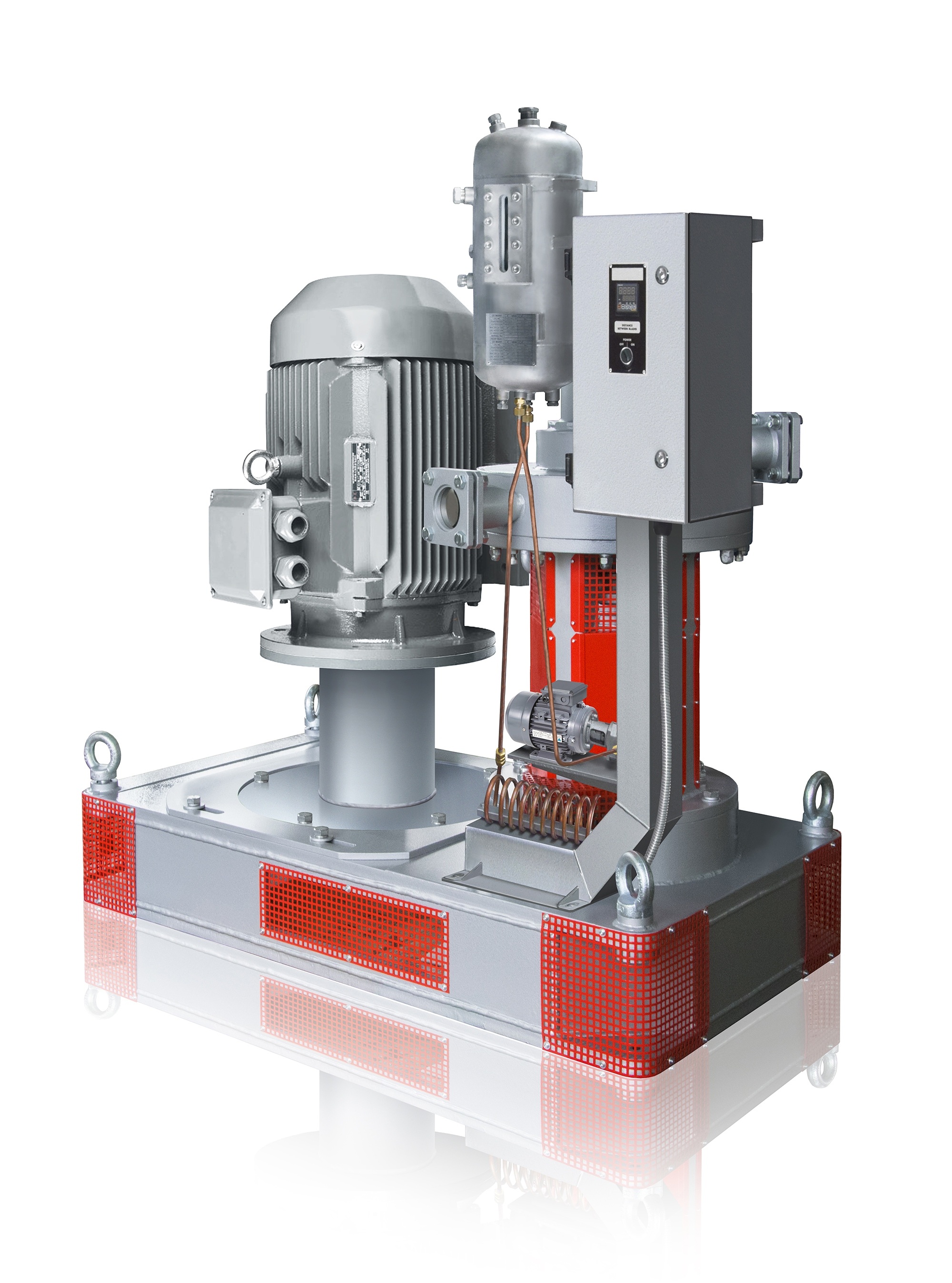
Thus, conventional activation methods are characterized by high energy consumption, duration, complexity, and require using additional chemical agents. But at the same time, quite often, they do not ensure activation at a proper level. GlobeCore disintegrator (AVS) will help in solving these problems. This is a modern electromagnetic gypsum mill that ensures efficient grinding and activation of a substance without using chemical agents, complex units and equipment.
Gypsum grinding and activation through the use of disintegrator AVS
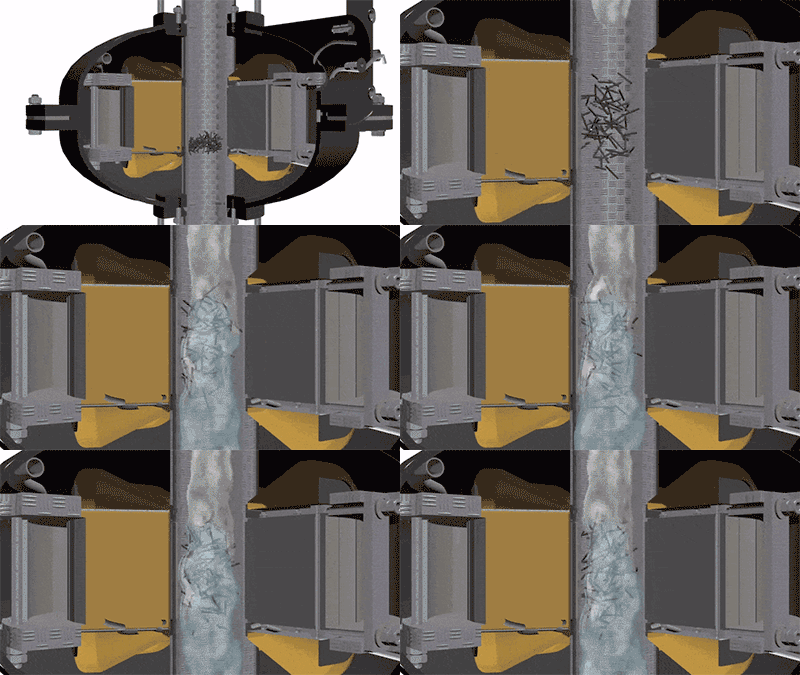 A disintegrator ensures high-quality, uniform dispersion of a solid substance and guarantees high activation rates for finely dispersed particles. Gypsum grinding in AVS occurs in an environment of electromagnetic field and ferromagnetic needles acting as compact crushers and mixers. In this case, both dry and wet grinding can be used — the unit is versatile. It is suitable for different stages of production:
- gypsum grinding before baking, digesting;
- processing the material after an autoclave or a digester;
- mixing the gypsum with other ingredients of dry construction mixes.
Gypsum activation in disintegrator AVS occurs when affected by high local pressures, acoustic vibrations, electromagnetic field, and electrolysis. In this case, the particles of the material are intensively ground, activated, mixed and form a homogeneous mix. All of those things are important for further high-quality hydration, complete and uniform interaction with other ingredients of mixes. As a result of exposure to a set of processes, the particles are ground, the specific surface area of the material increases, and the energy that contributes to further interaction with ingredients of mixes is released. The physical and chemical activity of gypsum increases after processing in disintegrator AVS. The mineralogical composition of gypsum binder changes.
Furthermore, simultaneous gypsum activation and grinding are an important point. The processes run in parallel in one operating chamber; thus, there is no need to allocate time, equipment, and resources for each of them.
Advantages of gypsum activation by means of a disintegrator AVS
AVS from GlobeCore is a modern, versatile gypsum mill which can be used not only for preparation of binding ingredient, but also for further preparation of mixes based thereon. We offer AVS-100 and AVS-150 models of the disintegrator. They have the same principle of operation, but different capacity and power. At the same time, the units are distinguished by the following advantages in terms of gypsum production:
- Cost-effectiveness
The power requirement of AVS-100 and AVS-150 is 4.5 and 9.5 kW respectively which is severalfold less than in the conventional equipment used in the construction industry.
- Efficiency
Using disintegrator AVS, the properties of gypsum can be considerably improved which has an effect on the physical and mechanical properties of products, structures, surfaces based on this material. At the same time, activation does not require using chemical agents, as well as complex, lengthy processes and technologies.
- Versatility
A disintegrator AVS can be used to carry out wet, dry grinding of gypsum, it can be applied for production of binders, dry construction mixes. The device is useful at various stages in the manufacture of gypsum products.
- Convenience
The unit is compact and lightweight, but at the same time, it effectively replaces massive, bulky equipment in the workshop. It does not require any pedestal to be built or a lot of space to be allocated, and additional structures to be put up for installation. The device can be easily integrated into an existing production line.
The equipment is suitable for a compact workshop, a large-scale enterprise for production of gypsum and dry construction mixes and materials. Please contact GlobeCore sales representatives to order a vortex layer device, as well as to seek advice.