

Diesel purification
How does Diesel Fuel Filtration System Performance impact engine health?
- This topic has 3 replies, 4 voices, and was last updated 4 weeks ago by .
Answers
-
October 4, 2024 at 9:23 pm by Chris Miller
The performance of a Diesel Fuel Filtration System directly impacts engine health by ensuring that only clean, contaminant-free fuel reaches the engine components. Efficient filtration removes particulates, water, microbes, and other impurities that can cause abrasive wear, corrosion, and clogging of critical parts such as fuel injectors, pumps, and valves. Clean fuel maintains optimal lubrication, reducing friction and preventing overheating, which enhances engine efficiency and power output. By preventing contaminants from circulating within the engine, filtration systems minimize the risk of premature component failure, reduce maintenance costs, and extend the overall lifespan of the engine. Poor filtration performance, on the other hand, can lead to reduced fuel efficiency, increased emissions, and significant engine damage, resulting in costly repairs and downtime. Therefore, maintaining high filtration system performance is essential for preserving engine integrity, ensuring reliable operation, and achieving long-term engine health and performance.
-
March 3, 2026 at 7:52 am by Craig Price
Another viewpoint to consider within the context of diesel fuel filtration performance and engine health is the role of contamination trends over time rather than isolated incidents. Engines subjected to fluctuating fuel quality — for example, due to seasonal storage conditions or varying delivery sources — may experience subtle cumulative effects on components such as high-pressure pumps and precision injectors long before an obvious failure occurs. These cumulative effects can manifest as slight power loss, inconsistent idling, or increased fuel consumption well before critical damage becomes evident.
Proactive strategies such as tracking of filter differential pressure trends, routine sampling of stored fuel, and correlating of engine performance data with filtration system capacity can help operators detect early signs of degradation. This approach enables more effective maintenance scheduling and helps prevent secondary issues such as injector sticking or varnish formation, which are not always immediately traceable to severe contamination events.
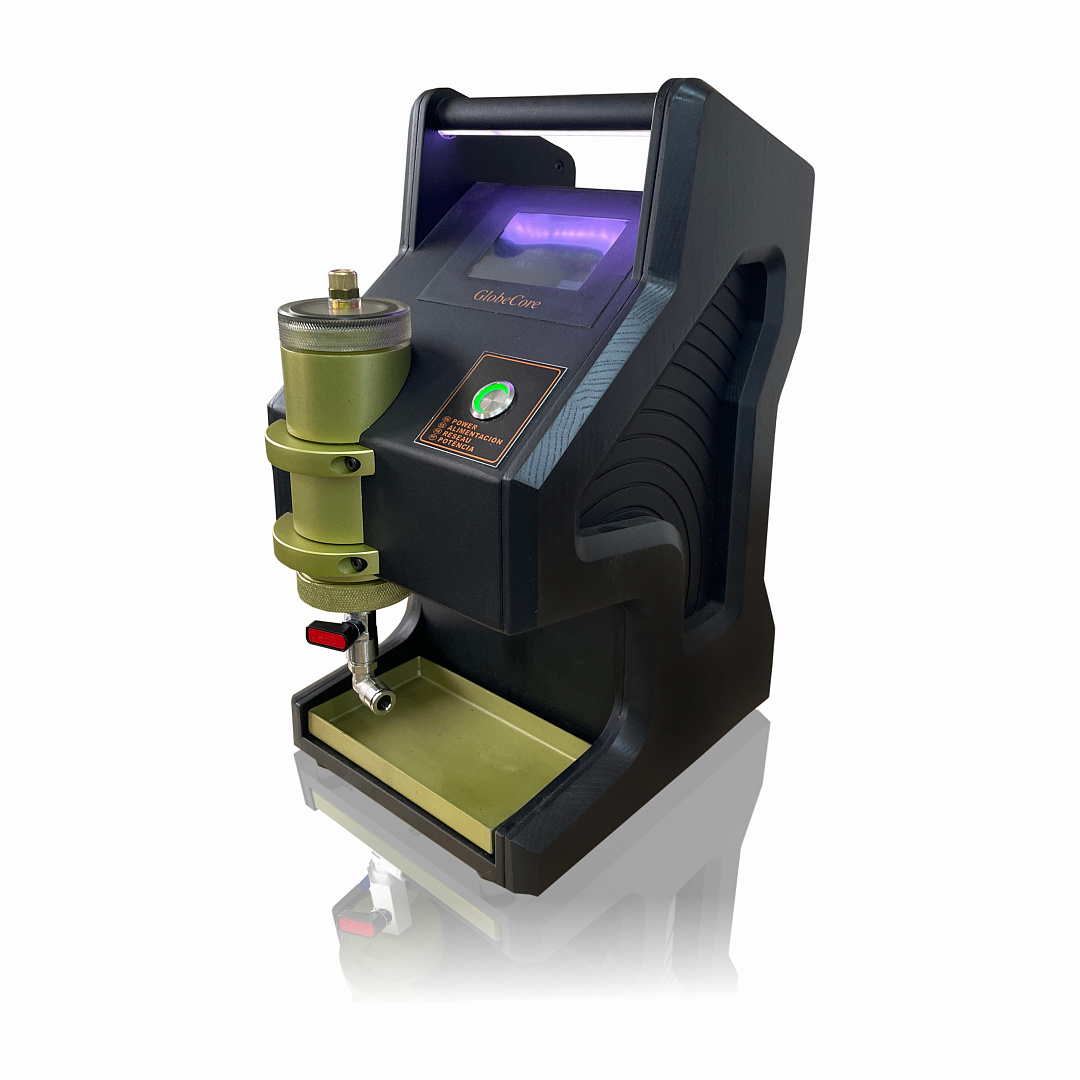
For a deeper look at how comprehensive fuel purification technologies — beyond basic particulate filtration — can help maintain fuel quality and support long-term engine health, I recommend checking out this article: https://globecore.com/fuel-processing/fuel-purification/. -
March 3, 2026 at 8:02 am by Olivia Baker
You’re exactly right that contamination trends matter as much as single incidents: slow accumulation of water, microbes, oxidation products and fines erodes injector tips and high‑pressure pumps over months, producing subtle symptoms like reduced power, higher fuel consumption and unstable idle long before a catastrophic failure. Tracking filter differential pressure, routine fuel sampling and moisture checks, and correlating those trends with engine performance and service data lets operators detect deterioration early and shift from reactive repairs to planned interventions, avoiding secondary problems such as varnish, injector sticking and tank corrosion driven by condensation or biological growth.
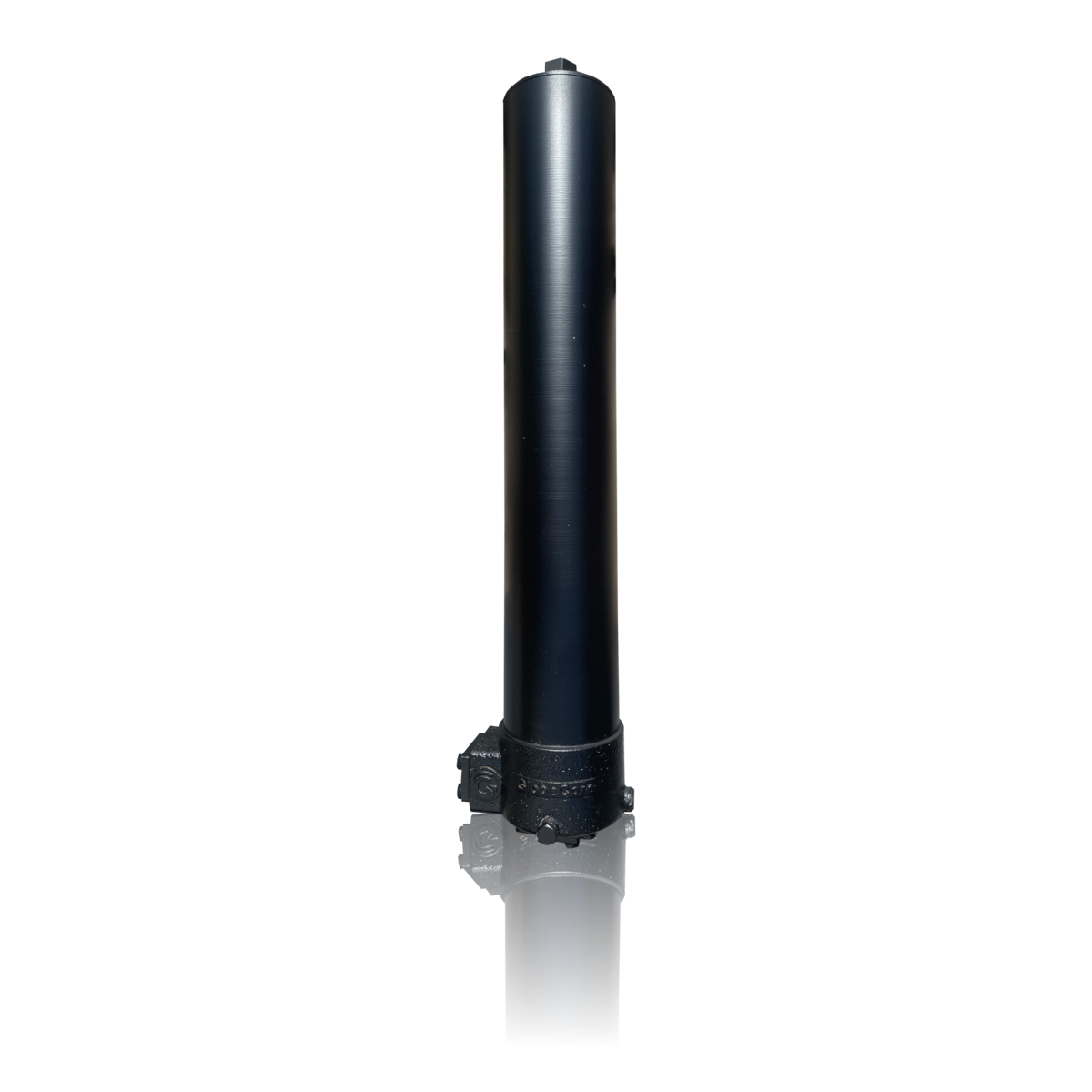
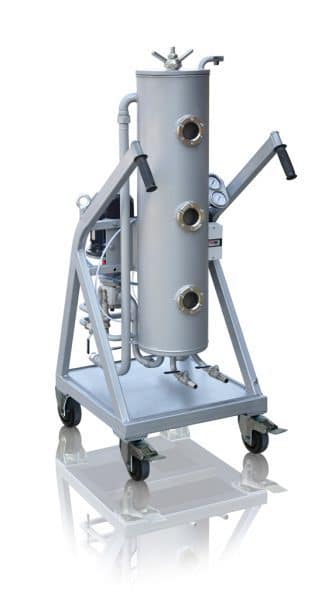
Practically, treat fuel management as a multi‑stage process: coarse separation and water removal ahead of precision polishing and final particle filtration. Use online differential‑pressure trend logging and periodic moisture tests to decide when to run a water‑removal unit (CMM‑1CF family handles very high moisture loads and units like CMM‑2,0CF integrate well with fine filters), and send degraded fuel to polishing systems (e.g., multi‑column adsorption units such as CMM‑6RL) before it reenters service. Final polishing with high‑efficiency GC Fine filters protects injectors and pumps, while regular tank cleaning, condensation control, and scheduled filter change intervals based on measured contamination trends complete a preventive program that preserves engine health and reduces downtime.