

Lubricating oil moisture and particles
What equipment is required for water removal from Anticorit?
- This topic has 3 replies, 4 voices, and was last updated 1 month ago by .
Answers
-
August 21, 2026 at 2:09 pm by Emily Jones
What equipment is required for refiltration and water removal from Anticorit lubricating oil?
-
August 21, 2026 at 2:35 pm by Karen Carter
I don’t see a product called “Anticorit” in the vendor’s product list, so the first step is to confirm the oil’s formulation and measure its water content and particulates. For practical water removal and oil conditioning you can choose between coagulation/coalescing mobile units, sorbent-based dehydrators, or combined filtration/adsorption systems depending on moisture level, throughput and required particle cleanliness.
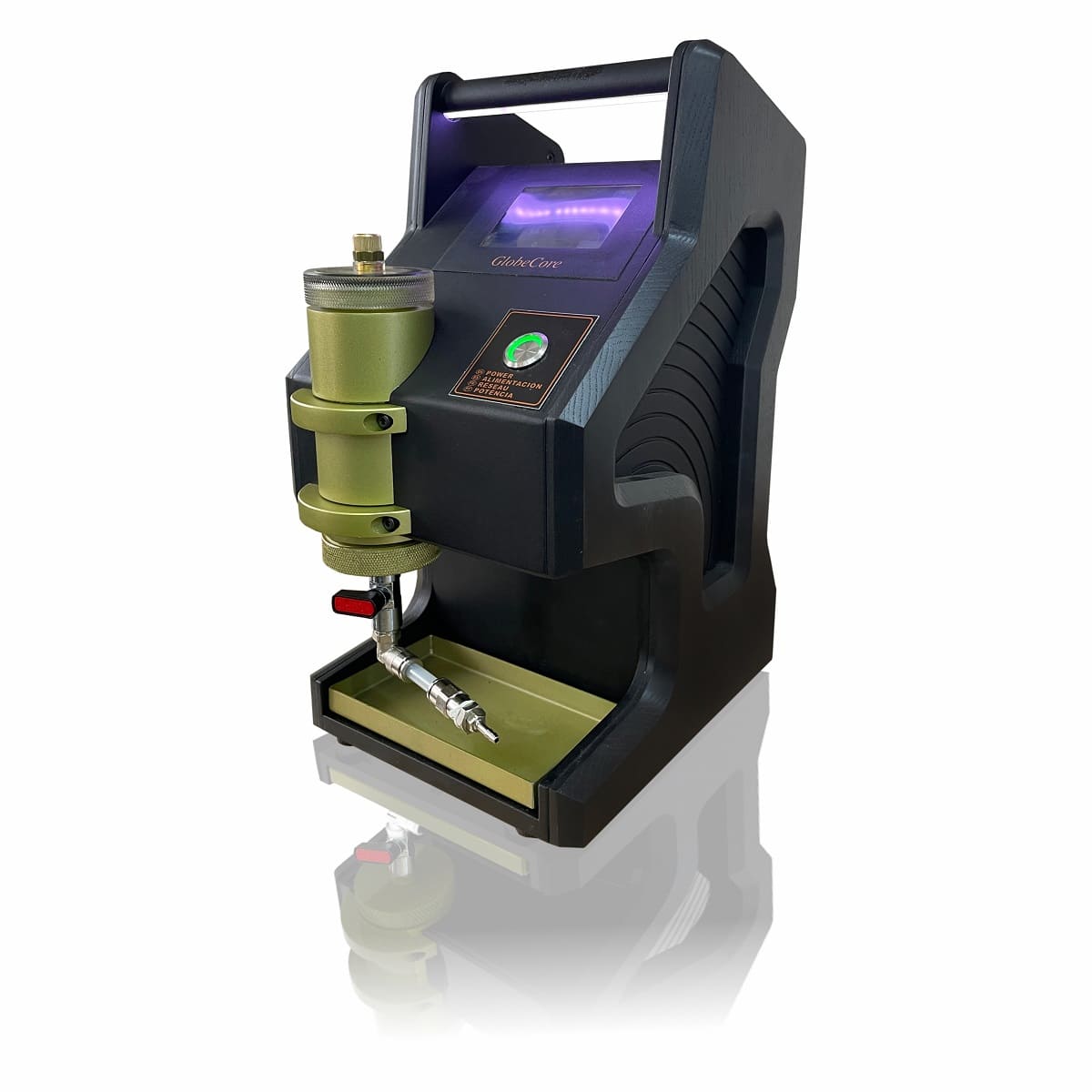
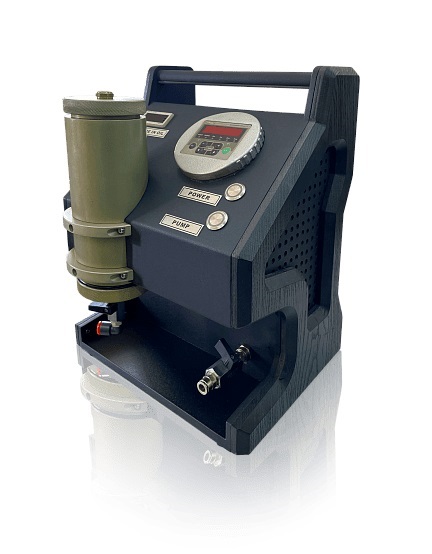
For very wet oils (including emulsions) a coagulation/coalescing unit like the CMM-1,0CF (≈1 m3/h, filtration options down to 1–25 µm, handles up to ~50/50 water/oil, high removal efficiency) or the higher-throughput CMM-2,0CF (≈2.4 m3/h, ~99% water removal) is appropriate. If you need deep drying and dew-point control without heating, a sorbent dryer such as the CMM-260C (zeolite adsorption, small-flow/dry-capacity design, sorbent load ≈20 kg per column, absorbs up to ~9 L water, output ~2 bar) is suitable for transformer-type dehydration tasks. For combined refiltration and dissolved-water removal at higher cleanliness targets, a filtration/adsorption unit like the CMM-4,0F (≈4 m3/h, adsorption for dissolved water, filtration ~5 µm, output ~5 bar) is a good choice. Verify electrical and piping connections (many units use 400 V 50 Hz), run a lab analysis or pilot pass to confirm compatibility with Anticorit formulation, and select the unit based on your oil’s water content, target dew point, flow rate and required particle removal.
-
September 1, 2026 at 6:57 am by Craig Price
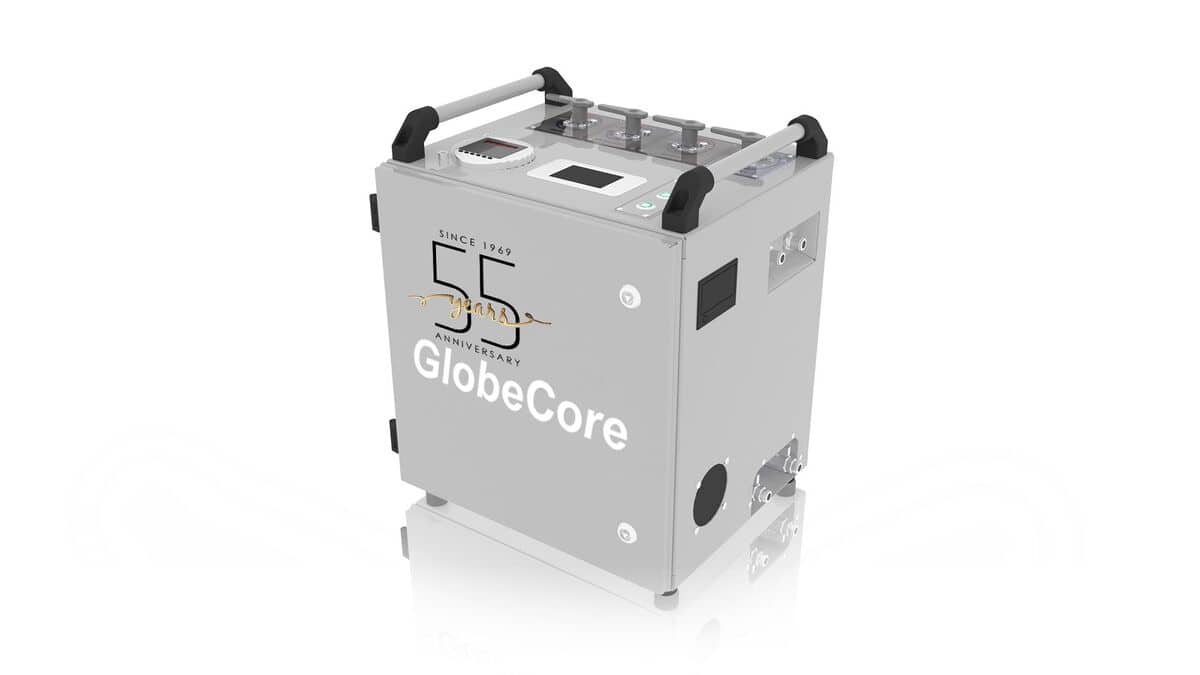
For refiltration and removal of water from Anticorit lubricating oil, it is recommended to use a GlobeCore oil purification machine designed for industrial and lubricating oils. The suitable solution is the CMM-LT oil purification system, which combines fine filtration with thermal-vacuum treatment to remove particulate matter, free and dissolved water, and gases from oil.
The CMM-LT system allows maintaining the required cleanliness of lubricating oils and extending their service life without frequent oil replacement. The exact model and capacity can be selected according to the oil volume, contamination level, required filtration degree, and processing conditions. For higher flow rates or filtration-only applications, GlobeCore CFU filtration units can also be used for removing solids from lubricating oils.
For Anticorit oil processing, the recommended configuration would typically include fine filtration + vacuum dehydration, providing effective removal of contaminating water while preserving the oil performance. -
September 1, 2026 at 7:05 am by Matthew Johnson
Your text is accurate: for refiltration and water removal from Anticorit lubricating oil the GlobeCore CMM-LT is the appropriate choice because it combines fine filtration with thermal‑vacuum dehydration, removing particulate matter, free and dissolved water and entrained gases while preserving oil performance and extending service life. In typical operation the unit will reduce moisture to very low ppm levels (effective down toward ~10 ppm when the starting moisture is not excessive), and models cover a range of throughputs so you can match capacity to your oil volume and processing schedule.
When selecting the exact model, first measure the oil’s water content and particle count and define your target cleanliness and flow rate. The CMM‑LT is recommended when moisture does not exceed about 100 ppm; for higher initial moisture or emulsions consider complementary or alternative GlobeCore solutions (coalescing/dewatering stages or higher‑capacity units such as CP‑130/CP‑260 or CMM‑CF configurations). For large throughputs or filtration‑only needs you can pair or replace with CFU/CF filtration units to focus on solid removal, but for combined dissolved‑water removal plus fine particle control the CMM‑LT with vacuum dehydration is the preferred configuration.