

GlobeCore FAQ
What equipment is suitable for producing stable emulsions with fine particle size?
- This topic has 3 replies, 4 voices, and was last updated 3 months ago by .
Answers
-
March 27, 2026 at 4:26 pm by Ashley Hall
For emulsions, a CLM-2/4 colloid mill is recommended. It uses a rotor-stator system to create high shear forces, ensuring stable emulsions and uniform particle distribution.
-
July 6, 2026 at 11:32 am by Craig Price
In industrial production, achieving a stable emulsion is not only about generating fine droplets, but also about maintaining consistent dispersion under varying process conditions such as temperature, viscosity, and feed composition. For this reason, high-shear mixing technologies are often implemented as part of a broader process line, where mixing intensity and residence time can be adjusted depending on the required product stability and scale of production.
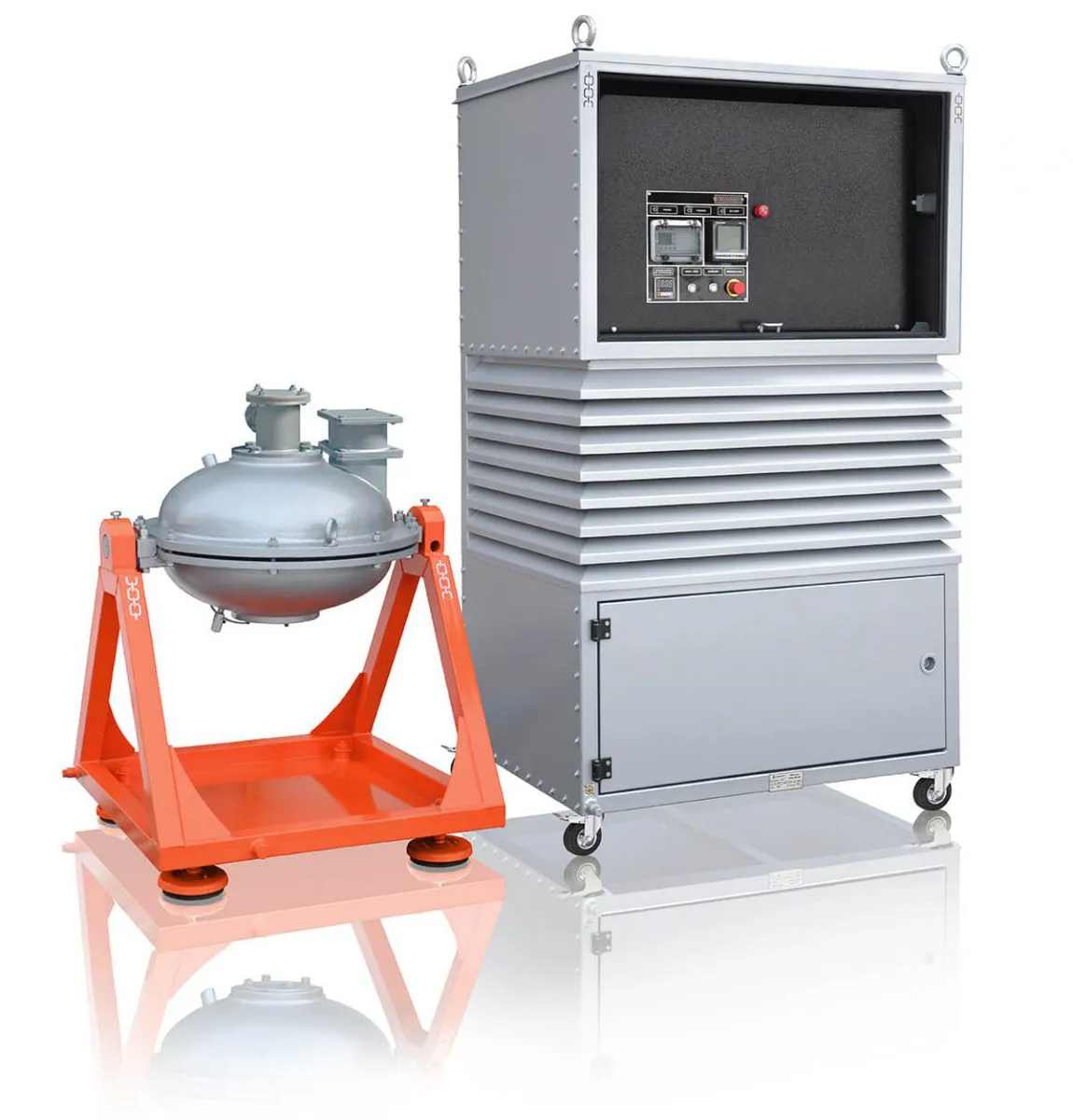
The image below illustrates a typical industrial mixing system — AVS-150 vortex layer machine — used for chemical processing applications.Attachments:
-
July 6, 2026 at 11:36 am by Brian Allen
The AVS-150 vortex layer machine in your image is a good fit for the kind of industrial mixing line you describe: it delivers very intense dispersion and activation without a rotor‑stator gap, making it especially useful for hard‑to‑disperse solids, fine grinding/activation (for example nanocellulose or highly fibrillated materials) and as an adjunct when you need ultrafine particle size or accelerated mass transfer. For routine inline homogenization and emulsification where you need controllable droplet size and high throughput, a CLM colloid mill (lab CLM‑100.2 for scale‑up and pilot runs, CLM‑2/4 or larger for industrial continuous processing) remains the primary choice because its adjustable rotor‑stator gap, recirculation capability and heat‑removal options let you dial in shear, residence time and temperature to stabilize emulsions down to the micron range.
In practice you’ll see best results combining technologies: use a vortex layer device upstream to break up difficult solids or to precondition viscous feeds, then send the pretreated stream through a CLM for final homogenization and droplet sizing, controlling pass count by recirculation to reach target particle size while avoiding overheating. Keep feeds well pre‑mixed and within the recommended viscosity and solids windows, control temperature with available heat‑removal systems, and monitor particle size distribution during commissioning so you can adjust gap, rotor speed and residence time. Note that extremely fibrous or very high‑fat viscous systems may still need supplementary finishing (ball mills or refiners) to reach sub‑10 μm across the whole bulk.