

GlobeCore FAQ
Which equipment would you recommend for simple filtration and removal of solid particles from pivot hydraulic oil used in TL pivots?
- This topic has 3 replies, 3 voices, and was last updated 3 months ago by .
Answers
-
January 28, 2026 at 4:10 pm by Ahmed Abdullah
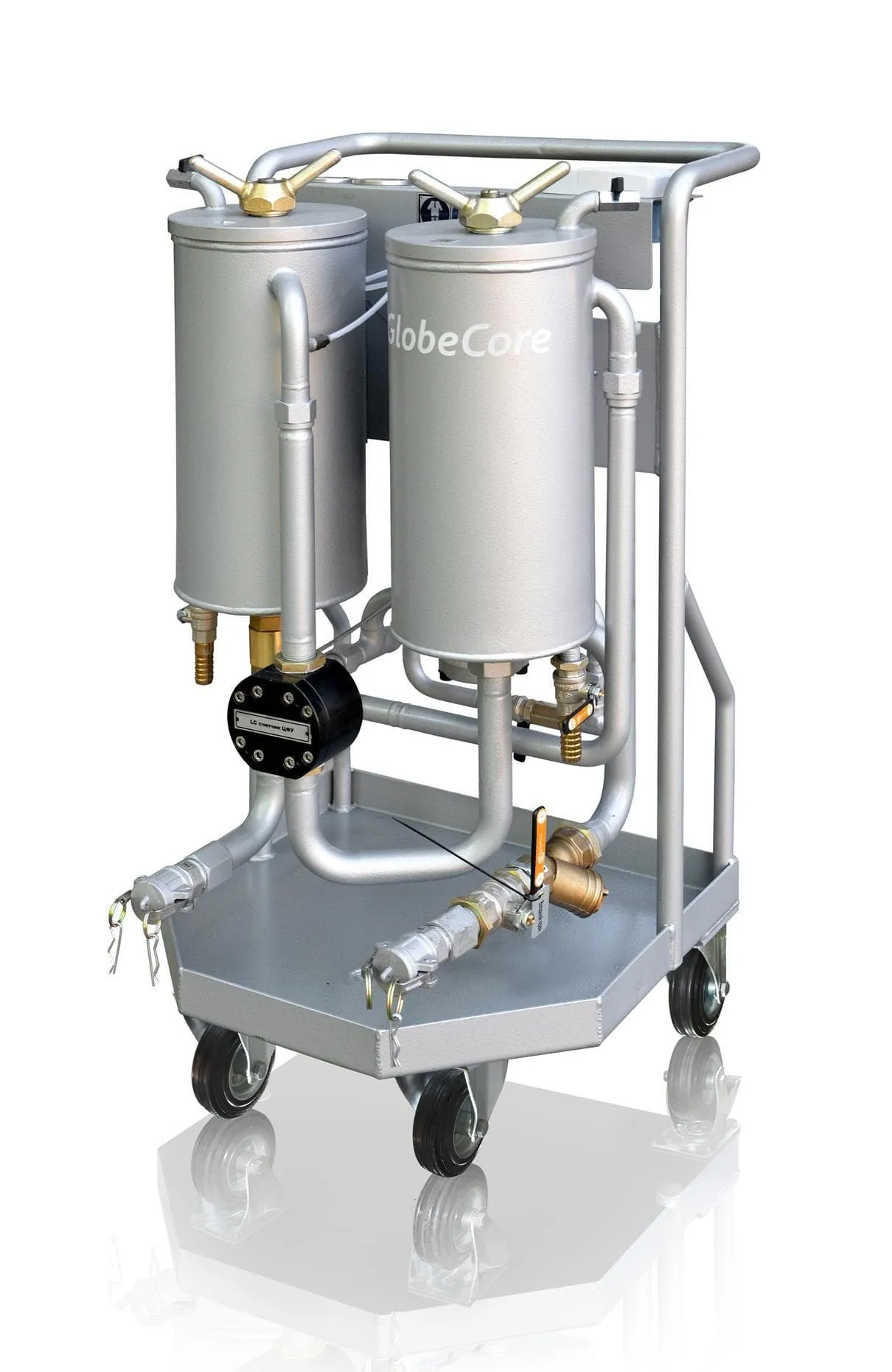
For simple “polishing” of TL pivot hydraulic oil (mainly solid particles), I’d use a portable GlobeCore CMM-F / CMM-4.0F filtration cart: it’s designed specifically to remove solid particulate contamination from industrial/lube oils on-site. If you also see moisture issues (condensation, milky oil), step up to a GlobeCore CMM-LT hydraulic oil purification unit, which adds multistage fine filtration plus dehydration via heating/vacuum.
-
July 7, 2026 at 1:52 pm by Craig Price
For pivot irrigation systems, maintaining oil cleanliness is particularly important, because hydraulic components often operate continuously in outdoor environments where dust and moisture contamination can gradually affect valves, pumps, and actuators. Regular offline filtration is a practical way to extend oil service life and reduce the risk of unexpected hydraulic system failures.
The CMM-4.0F oil filtration unit shown below represents a typical mobile solution for removing solid contaminants from industrial oils during maintenance operations, helping restore oil cleanliness without the need for complete oil replacement.Attachments:
-
July 7, 2026 at 2:03 pm by Fatima Alhassan
Your summary is spot on: a portable polishing cart is the most practical on-site method to remove dust and solid particulates from TL pivot hydraulic oil without draining and replacing the charge. The CMM-4.0F is a typical mobile solution for this purpose — it delivers about 4.0 m³/h (≈66.7 L/min), provides 5 μm filtration fineness, is rated for oils up to ~70 cSt at 50 °C, and its adsorption-stage elements are sized to capture solid particulate, ash and some soluble contaminants while being compact and easy to service.
For planning and maintenance, use the unit’s flow rate to estimate service time: a 100–300 L pivot reservoir is one-pass filtered in a few minutes (for example, a 200 L tank is ~3 minutes per pass at 4 m³/h), but meaningful polishing typically requires multiple passes — running the cart 30–60 minutes (10–20 passes) is common depending on contamination level. Check particle counts or a patch test before/after and aim for an appropriate ISO cleanliness class for pivot hydraulics (many field systems target ISO 18/16/13 or better). If you see water intrusion, milky oil, or condensation, step up to a dehydration-capable unit (heating + vacuum) such as the CMM-LT. For very dirty systems start with a coarse prefilter to protect the fine element, monitor filter differential pressure and carry spare elements, and schedule offline polishing on a cadence driven by particle counts or seasonal/operational risk factors. If you want, I can map expected run time and maintenance cadence to your specific reservoir size, oil viscosity and target cleanliness.