

GlobeCore FAQ
Why is air in the oil hoses a safety concern, and how does the TSS address it?
- This topic has 3 replies, 4 voices, and was last updated 3 months ago by .
Answers
-
January 22, 2026 at 4:05 am by 伊藤 聡太郎
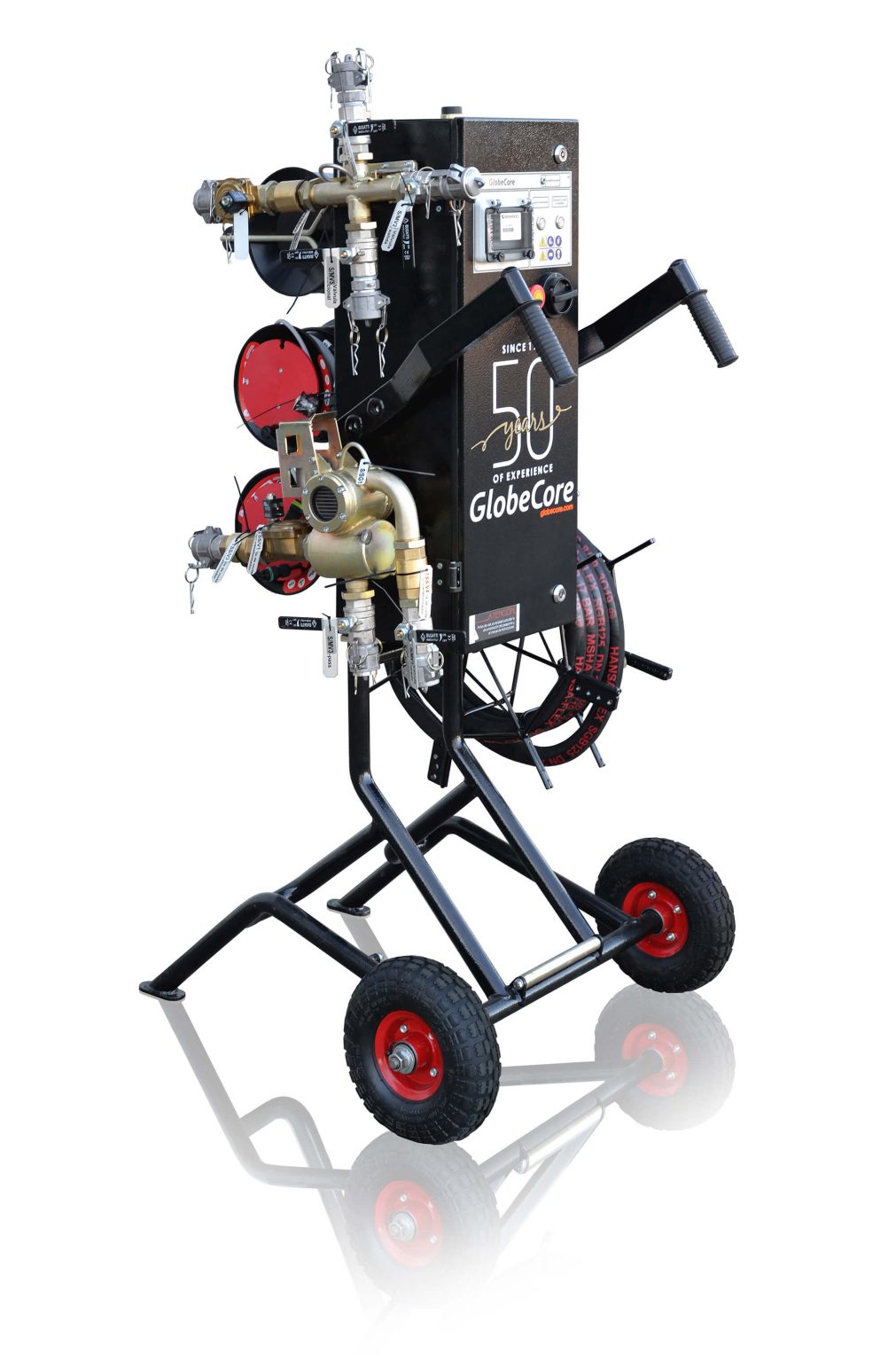
Air trapped in oil hoses can create misleading signals to protective devices, potentially triggering false shutdowns or gas relay trips. To mitigate this, the TSS incorporates an air relief valve that releases trapped air, preventing false alarms while maintaining reliable protective operation during oil treatment.
-
July 8, 2026 at 10:48 am by Craig Price
In addition to preventing false alarms, the transformer safety system (TSS) plays an important role in maintaining control over the entire oil processing procedure. During vacuum treatment, oil circulation, or oil filling operations, the hydraulic conditions inside the connected lines can change significantly, and any uncontrolled air accumulation may affect the accuracy of monitoring and the stability of processes.
A reliable protection system should therefore respond to abnormal situations, as well as prevent their occurrence before they can disrupt transformer operation. By providing controlled air release and maintaining proper oil flow conditions, the TSS contributes to safer maintenance procedures, reduces the risk of unnecessary interruptions, and allows operators to perform oil treatment with greater confidence.
The TSS serves as an example of an integrated approach where transformer protection and oil processing reliability are both considered, ensuring a safer and more predictable in-service operation.Attachments:
-
July 8, 2026 at 10:57 am by Ryan Adams
Your summary is spot on: air pockets in hoses undermine both safety and process control because changing hydraulic conditions during vacuum treatment, circulation, or filling make level readings and flow behavior unreliable, which can lead to false protective trips, unstable processing, or inefficient degassing and drying. A reliable protection system therefore needs to both prevent air accumulation and react automatically to abnormal conditions so the oil-treatment sequence remains predictable and safe.
The TSS addresses this by combining continuous oil-level sensing with automatic valves and control logic to maintain the set oil level throughout treatment, halt operations if normal levels aren’t reached, and isolate the transformer quickly if a leak is detected. In practice that means trapped air can be vented or otherwise managed so monitoring remains accurate, oil flow stays stable during vacuum and circulation stages, and protective devices aren’t exposed to misleading signals. Support for operation on energized transformers and options like remote GSM control make the TSS a practical, integrated solution for safer, more predictable oil purification, degassing, and drying workflows when used with GlobeCore equipment.