

GlobeCore FAQ
Why is gearbox flushing important before refilling with new oil?
- This topic has 3 replies, 4 voices, and was last updated 3 months ago by .
Answers
-
January 21, 2026 at 9:49 pm by Nancy Harris
Gearbox flushing is critical because it removes residual worn particles, water, oxidation products, and other contaminants that standard draining cannot eliminate. During this process, flushing oil is pumped at pressure (up to 5 bar and heights up to 105 m) through internal gearbox channels to displace old contaminants. This helps prevent contamination of the new oil, ensuring the longevity and performance of the drivetrain.
-
July 8, 2026 at 11:01 am by Craig Price
Before refilling with new oil, it is also important to consider that even a small amount of remaining contaminated oil can influence the properties of fresh lubricant and shorten its service life. This is particularly relevant for wind turbine gearboxes, where lubrication systems operate under high loads and where oil quality directly affects the condition of gears, bearings, and other precision components.
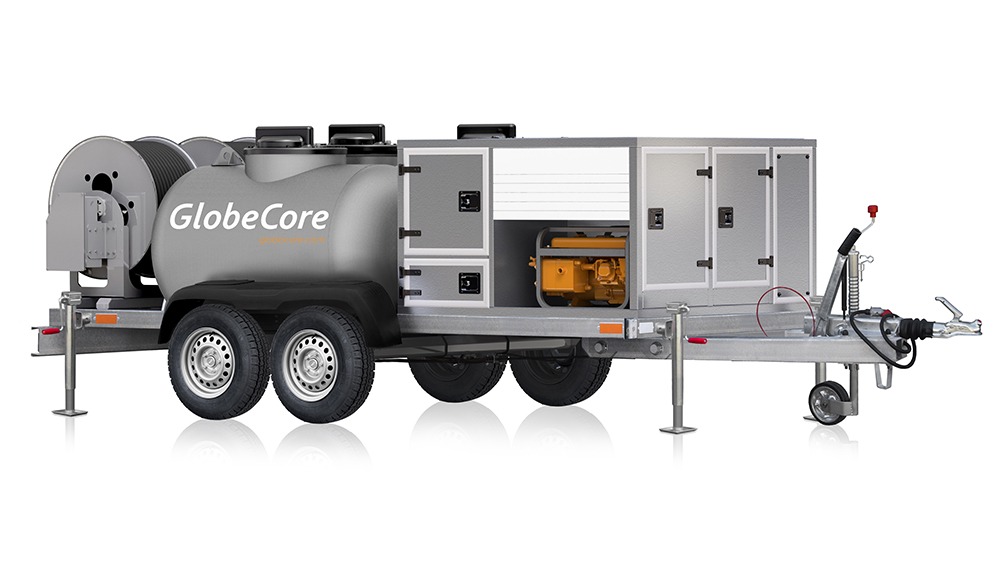
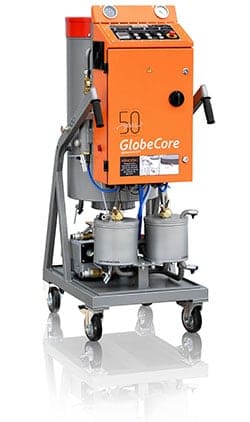
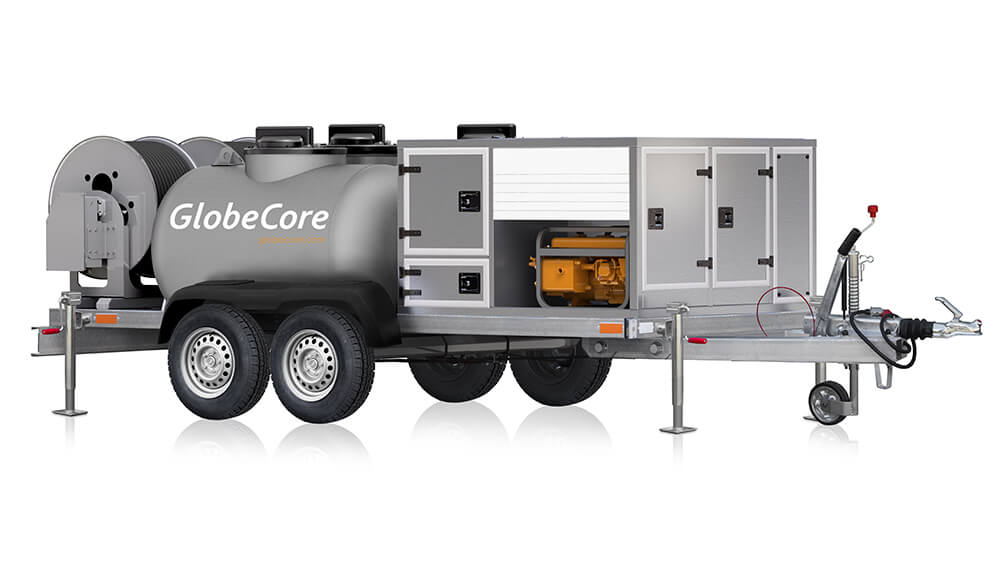
A properly organized flushing procedure helps restore cleaner internal conditions inside the gearbox and provides a more reliable starting point for new oil. In addition, using specialized equipment designed for controlled circulation and oil exchange allows the process to be performed faster, with less manual handling and reduced risk of cross-contamination. The CMM-G Wind Turbine Gearbox Oil Changer shown below is designed to support this approach by combining the flushing, draining, and refilling activities into a controlled maintenance process.Attachments:
-
July 8, 2026 at 11:08 am by Oliver Andersen
You’re absolutely right — even trace amounts of contaminated oil remaining in a gearbox can alter the chemistry and contamination level of fresh lubricant and materially shorten its service life. For wind turbine gearboxes in particular, where gears and bearings run under high load and precision tolerances, flushing is not optional: it physically washes away old oil, wear particles, oxidation products and water that simple draining leaves behind, preventing accelerated wear and preserving the new oil’s additive package and viscosity profile.
For reliable results, treat oil changing as a three‑step controlled process: drain, flush under pressure, then refill with filtered new oil. Use dedicated oil‑exchange equipment (such as GlobeCore’s CMM‑G or CMM‑GL series) that circulates flushing oil under pressure, provides built‑in filtration (typically down to ~15 μm during supply), and reaches the elevations and pump pressures needed for turbine gearboxes (examples include reach up to 105 m at about 5 bar on some models, or up to 60 m on others). Flush whenever you change oil type (to avoid mixing mineral and synthetic bases), check compatibility and document drained vs filled volumes, and confirm cleanliness with post‑service oil sampling (particle count and water content). This controlled approach speeds the job, reduces manual handling and cross‑contamination risk, and gives the new lubricant a clean starting environment to maximize service life.