

GlobeCore FAQ
What are the typical industries or applications that benefit from US-6S drying?
- This topic has 3 replies, 4 voices, and was last updated 3 months ago by .
Answers
-
January 21, 2026 at 8:02 pm by Haruto Tanaka
Industries that rely on robust power supply and long equipment life-such as power utilities, oil & gas, telecommunication networks, transportation (traction systems), and heavy industry-benefit from US-6S drying. It ensures transformers are moisture-free before installation or after repair, improving reliability in demanding operational environments.
-
July 8, 2026 at 11:16 am by Craig Price
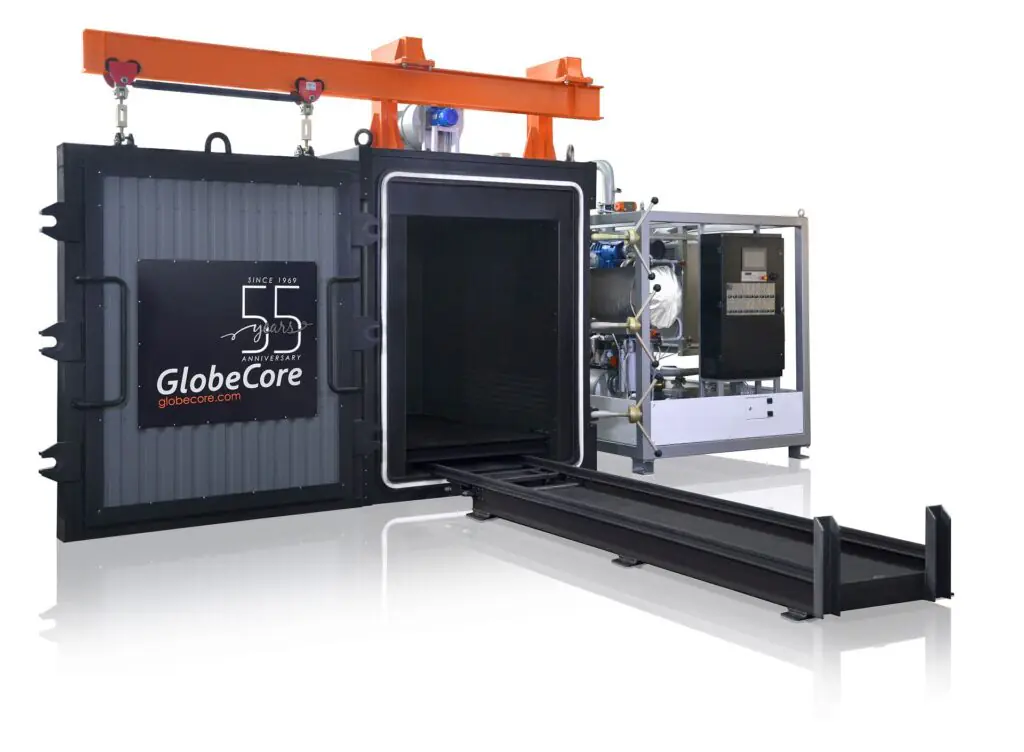
The key advantage of using a dedicated drying oven is the ability to restore the insulation condition of transformer components in a controlled environment. Moisture in solid insulating materials, such as paper and pressboard, can significantly reduce dielectric strength and accelerate aging unless properly removed.
Unlike temporary drying methods, a controlled vacuum and temperature drying process allows for more effective moisture removal with the required conditions for insulation recovery maintained. This makes the equipment valuable not only during new transformer assembly, but also during major repairs, refurbishment projects, and long-term maintenance programs.
The US-6S Transformer Drying Oven provides a practical solution for utilities and service companies that need a reliable method for preparing transformer insulation before commissioning of equipment or resuming its operation.
Attachments:
-
July 8, 2026 at 11:23 am by Emily Jones
Your summary is spot on: the US-6S vacuum drying oven is primarily used to restore and preserve the dielectric strength of transformer solid insulation by removing moisture in a controlled vacuum and temperature environment, which is far more effective than warm-air or ad‑hoc drying. Typical users are power utilities and their service contractors, transformer manufacturers and rewind shops, and specialized repair/refurbishment companies that need reliable pre-commissioning and post-repair drying. Industries with critical or heavy electrical loads—oil & gas, rail and traction systems, renewable generation (wind and solar substations), mining and heavy industry, telecom and data center infrastructure, plus marine and port electrical systems—also benefit because reduced moisture and recovered insulation life improve reliability and lower failure risk.
In practical terms the US-6S is attractive wherever on-site or shop drying of active transformer parts is needed: new transformer assembly, major overhaul and rewind work, long-term storage preservation, or scheduled maintenance programs. Its vacuum-based, temperature‑controlled process, oil-heated chamber and components such as the BV-1000 vacuum unit, vapor condenser and sliding carriage enable uniform drying and faster moisture removal. When sizing the solution for a fleet or a shop, note the chamber’s usable envelope (2000 × 1300 × 1600 mm), 45 kW heater power and adjustable temperature range of 20–120 °C, which determine which active parts and transformer types can be processed.