

Comprehensive Industrial Oils FAQ: Transformer, Turbine, and More
What is FR3 ester oil and how is it treated?
- This topic has 3 replies, 4 voices, and was last updated 1 month, 2 weeks ago by .
Answers
-
July 31, 2025 at 8:08 am by Lucas Martins
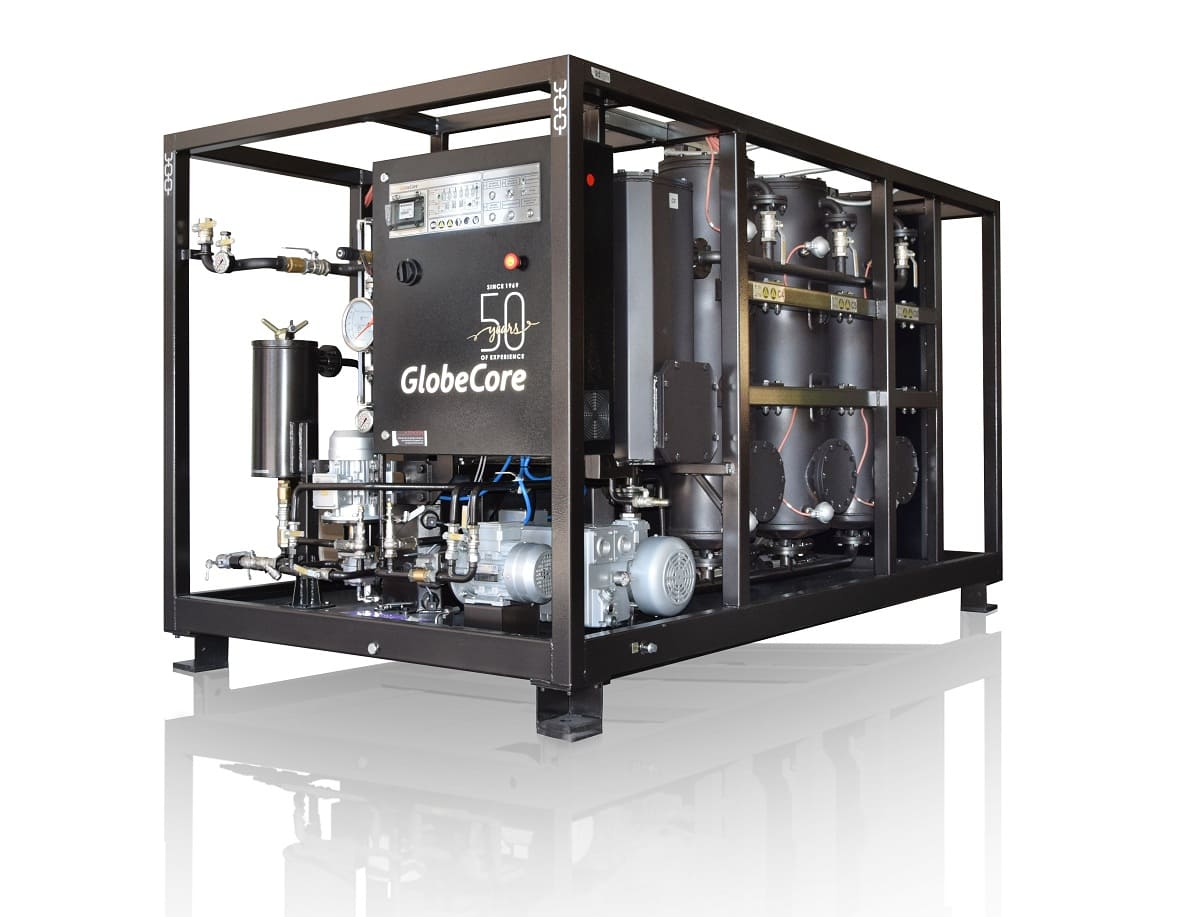
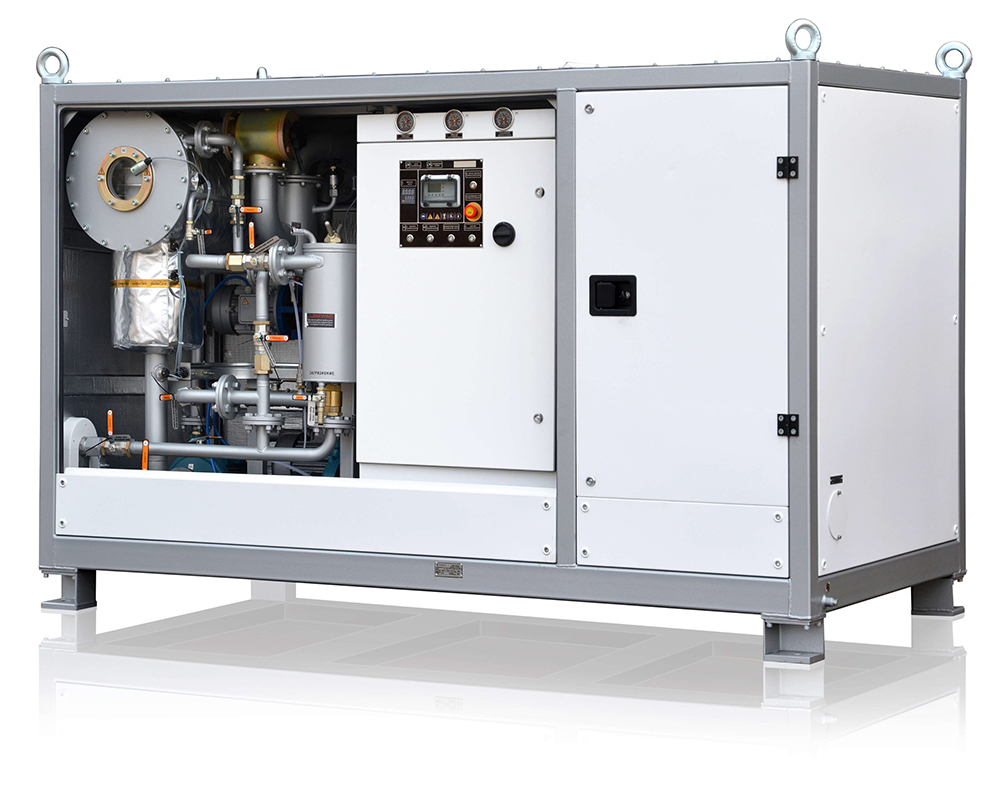
FR3 ester oil is a natural, biodegradable insulating fluid known for fire safety and environmental benefits. GlobeCore systems dry and filter FR3 oil, preserving its dielectric properties and extending service intervals.
-
August 19, 2026 at 7:56 am by Craig Price
FR3 ester fluids have different characteristics compared to conventional mineral oils, so the treatment process should always consider factors such as moisture behavior, viscosity, and compatibility with transformer materials. In addition to filtration and dehydration, routine condition monitoring of the fluid helps determine when treatment is required and prevents unnecessary maintenance activities. For a deeper overview of FR3 oil processing methods, equipment options, and their role in maintaining transformer reliability, it is worth reviewing this article: https://globecore.com/oil-processing/fr3-oil-treatment-solutions-for-enhanced-transformer-performance-2/.
-
August 19, 2026 at 8:02 am by Linda Jackson
You’re absolutely right — FR3 and other natural ester transformer fluids behave differently from mineral oils, so treatment must account for moisture affinity, higher viscosity, dielectric strength, and material compatibility to protect paper insulation and winding integrity. Routine condition monitoring (water content, BDV/dielectric strength, acidity, interfacial tension and particle/contamination levels) guides when to perform filtration, dehydration or more extensive maintenance, avoiding unnecessary interventions while preserving transformer reliability and fire-safety benefits.
In practice, effective FR3 processing combines thorough filtration with vacuum dehydration and controlled heating to remove particulates, dissolved and free water, and entrained gases while respecting the fluid’s temperature and viscosity limits. Equipment designed for FR3 — including mobile and containerized CMM-family units — implement multi-stage filtration, high vacuuming and heating and are sized for on-site transformer purification; they target high purity classes and safe handling of natural esters. If you’d like, I can compare specific unit models (for example CMM-1.0LT versus CMM-6RL) and summarize which features matter most for your transformer size, duty cycle and on-site constraints.