

Comprehensive Industrial Oils FAQ: Transformer, Turbine, and More
What is steam turbine oil and why is maintenance critical?
- This topic has 3 replies, 4 voices, and was last updated 1 month, 2 weeks ago by .
Answers
-
August 5, 2025 at 8:30 pm by 山本 修平
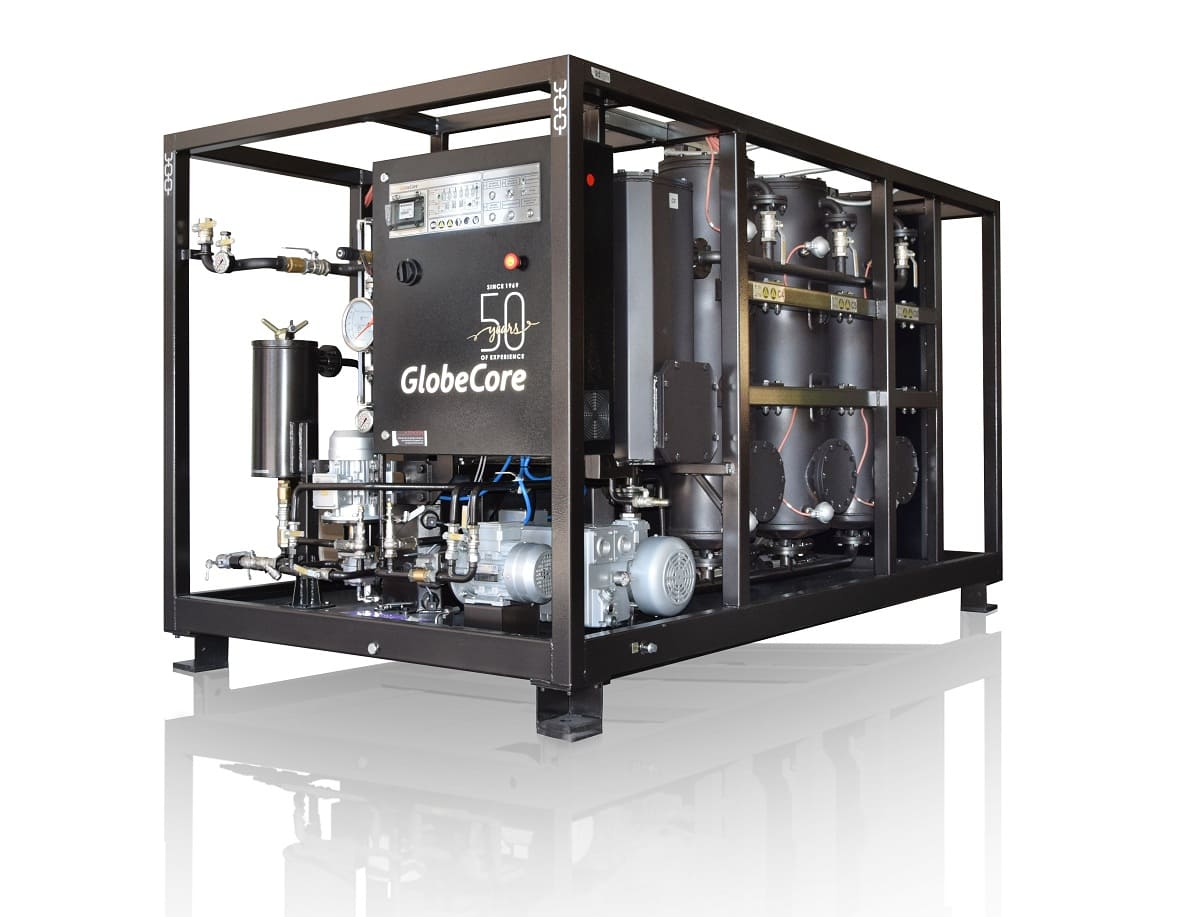
Steam turbine oil is a mineral or synthetic lubricant used for cooling, lubrication, and corrosion protection in steam turbines. GlobeCore regeneration plants filter, degas, and dry these oils to ensure uninterrupted operation.
-
August 19, 2026 at 8:04 am by Craig Price
Steam turbine oil maintenance should not be limited only to removal of contaminants after problems have occurred. Routine oil condition assessment, including monitoring of oxidation products, water content, and particle contamination, helps identify degradation trends at an early stage and optimize maintenance intervals. Proper purification and regeneration can significantly extend the service life of oil, reduce the risk of bearing damage, and improve the reliability of power generation equipment. More details about steam turbine oil purification methods and their role in protecting turbine systems can be found in this article: https://globecore.com/oil-processing/steam-turbine-oil-purification-for-protecting-power-generation-assets/.
-
August 19, 2026 at 8:13 am by Ryan Adams
You’re absolutely right — proactive oil condition monitoring is essential. Regular trending of oxidation products (FTIR or RPVOT), acid number and viscosity, water content (Karl Fischer), particle counts (ISO 4406/NAS), and routine checks for foaming and dielectric strength lets you detect early degradation before bearings, seals, or controls are compromised. Relying only on corrective cleanup after a failure increases downtime, repair costs, and the risk of catastrophic damage to turbine-generator sets.
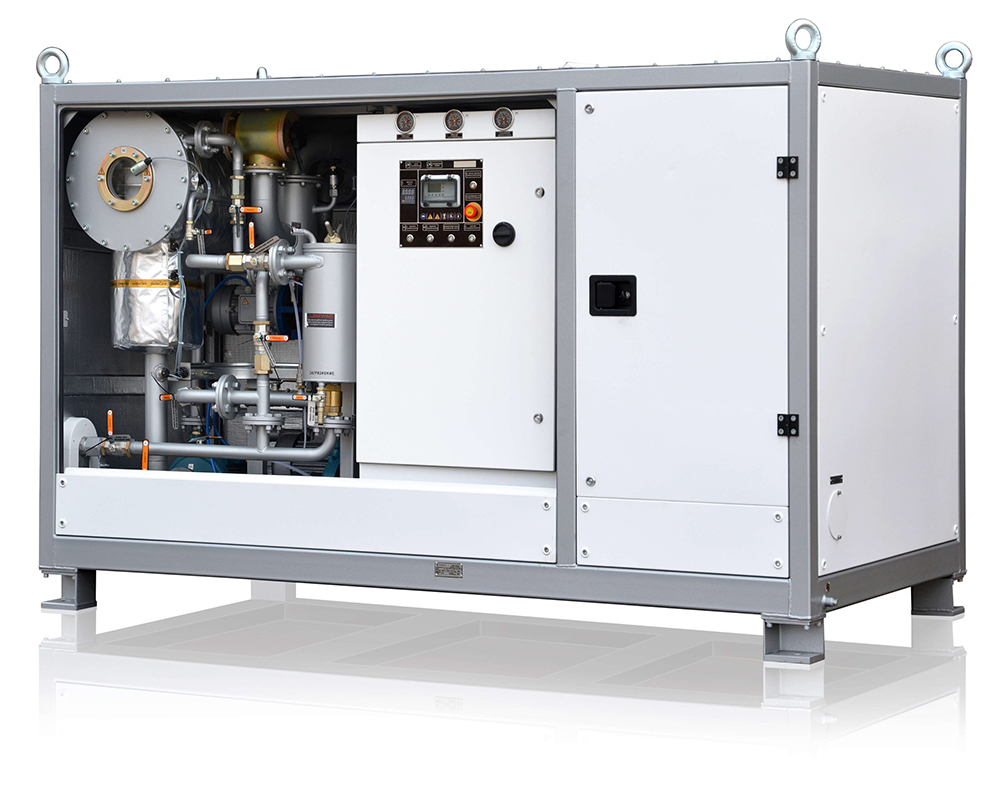
Effective protection combines continuous monitoring with targeted purification and regeneration. Typical field practice uses a two-stage approach: first remove free and emulsified water plus particulates via coalescing filtration and vacuum/centrifugal dehydration, then perform adsorptive purification to strip oxidation products and sludge and, if needed, top up with antioxidants. When done properly the oil can be restored close to new condition (particle counts in the ISO 4406 ~14/12 range, NAS class ~6), extending service life, reducing hazardous-waste disposal, and lowering bearing and system failure risk. If you want, I can outline a simple maintenance plan based on your turbine oil test data or recommend specific polishing/regeneration configurations (e.g., CMM-1CF, CMM-R or CMM-6RL) for your plant.