

Comprehensive Industrial Oils FAQ: Transformer, Turbine, and More
What requirements may arise for the treatment of gas turbine lubricating oil?
- This topic has 3 replies, 4 voices, and was last updated 1 month ago by .
Answers
-
August 21, 2026 at 2:28 pm by Plinio Arcos
Treatment requirements for gas turbine lubricating oil center on removing water, dissolved gases, and solid contamination while reversing oxidative aging and maintaining base oil properties. Practically, this means vacuum dehydration and multi-stage filtration (typically 3–4 µm cellulose cartridges with a water‑removing coalescing stage) to bring moisture down into single‑digit ppm levels and free/dissolved gases to minimal percentages, plus particle removal to achieve ISO 4406 cleanliness around 14/12 (NAS 1638 ≈ 6). Oils for turbines must also show high resistance to air oxidation at elevated temperatures, good demulsification, low acidity and ash, stable viscosity within the 10–2000 mm²/s operating range, and restored dielectric strength (typical targets ≥65–70 kV).
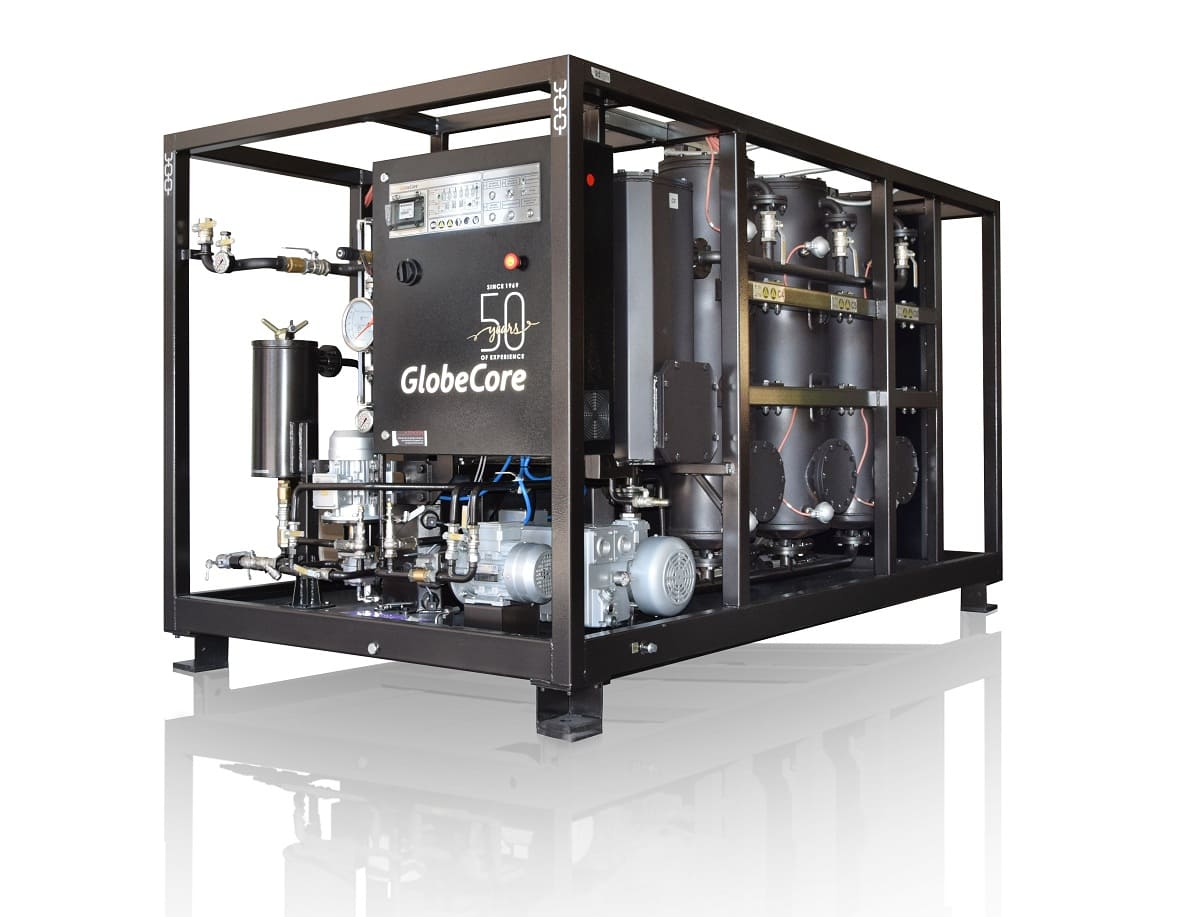
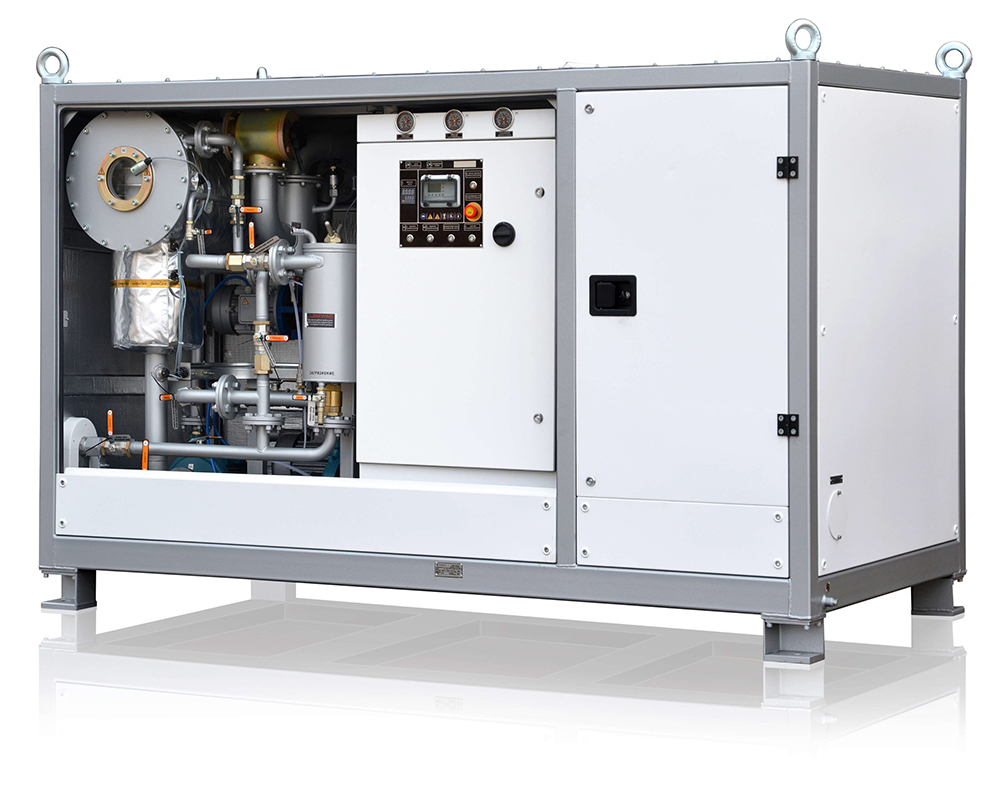
For aged or heavily contaminated oil a two‑stage regeneration approach is often required: initial vacuum dehydration and filtration (example CMM‑1CF) followed by adsorptive polishing (e.g., CMM‑R) to remove oxidation products and sludge, with optional antioxidant additive blending to extend service life. Equipment and process selection should match system flow rates (vacuum dehydration/filtration is most effective at ≥60 L/min) and target values such as moisture ≤5–10 ppm, total gas content ≤1.5%, filtration fineness 3–5 µm, and the cleanliness and dielectric targets noted above to avoid alarms, shutdowns and premature component wear.
-
August 31, 2026 at 11:34 am by Craig Price
Gas turbine lubricating oil may require treatment when its condition deteriorates due to contamination with water, particulate matter, dissolved gases, or oxidation products. Typical requirements include reducing moisture and gas content, removing suspended particles, restoring oil purity, and maintaining the properties necessary for reliable lubrication and heat removal. In view of these tasks, GlobeCore oil purification and regeneration equipment can be used to perform filtration, vacuum dehydration, degassing, and, when required, deeper treatment of lubricating oil. The appropriate GlobeCore system should be selected according to the oil type, contamination level, specific flow rate, and target oil parameters.
-
August 31, 2026 at 11:42 am by Robert Thomas
Your summary is spot on: the practical treatment goals are removal of free and dissolved water, degassing, particle removal and removal of oxidation products so lubricating oil can safely provide lubrication and heat transfer. A reliable, field‑proven workflow is a two‑stage approach where vacuum dehydration and coarse/fine filtration (including coalescing elements) comes first to strip water and solids, followed by adsorptive polishing to capture oxidation/aging products; degassing can be integrated into the vacuum stage and antioxidant blending added after regeneration if required. Typical post‑treatment targets to aim for are moisture in the single‑digit ppm range (≈5–10 ppm), total dissolved gases down to about 1–1.5% or lower, particle filtration to the 3–5 µm range with ISO 4406 cleanliness around 14/12 (NAS 1638 class ~6), and restored dielectric strength (commonly ≥65–70 kV), while viscosity, acid number and demulsification must be confirmed acceptable for the turbine OEM.
Select the specific system and configuration to match the oil type, contamination severity and required flow rate: machines intended for turbine oils combine vacuum dehydration/coalescing filtration (first stage) with sorbent columns for adsorptive regeneration (second stage), and are sized to your throughput and target cleanliness. Be aware of limitations: severely oxidized or heavily sludged oils, very high insoluble solids loads, or oils with poor demulsifying/oxidation properties may need pre‑cleaning or replacement rather than simple regeneration. After treatment, validate results with particle counts, water ppm, TAN and dielectric tests and consider antioxidant dosing and a scheduled maintenance/regeneration plan to extend service life.