

GlobeCore FAQ
Why is heat generated directly in the windings themselves, and how does this affect the moisture removal process?
- This topic has 5 replies, 5 voices, and was last updated 1 month, 2 weeks ago by .
Answers
-
January 21, 2026 at 12:34 pm by Daniel Brown
Heat is generated directly in the windings because the low-frequency current flows through the copper conductors and produces I²R losses inside the metal itself, not in the surrounding air or oil. This means the thick paper insulation is heated from the inside outward, exactly where most of the moisture is trapped. As a result, a strong temperature and vapor-pressure gradient is created inside the insulation, which drives moisture toward the surface much faster and makes vacuum removal far more effective than external heating methods.
-
July 14, 2026 at 8:05 am by Craig Price
One of the main advantages of low-frequency heating is that the energy is fed directly into the transformer winding conductors, allowing the insulation system to be heated from the inner layers where moisture accumulation is usually the highest. In conventional external heating methods, heat should first pass through the oil and outer insulation layers before reaching the winding paper, which can result in slower and less uniform drying.
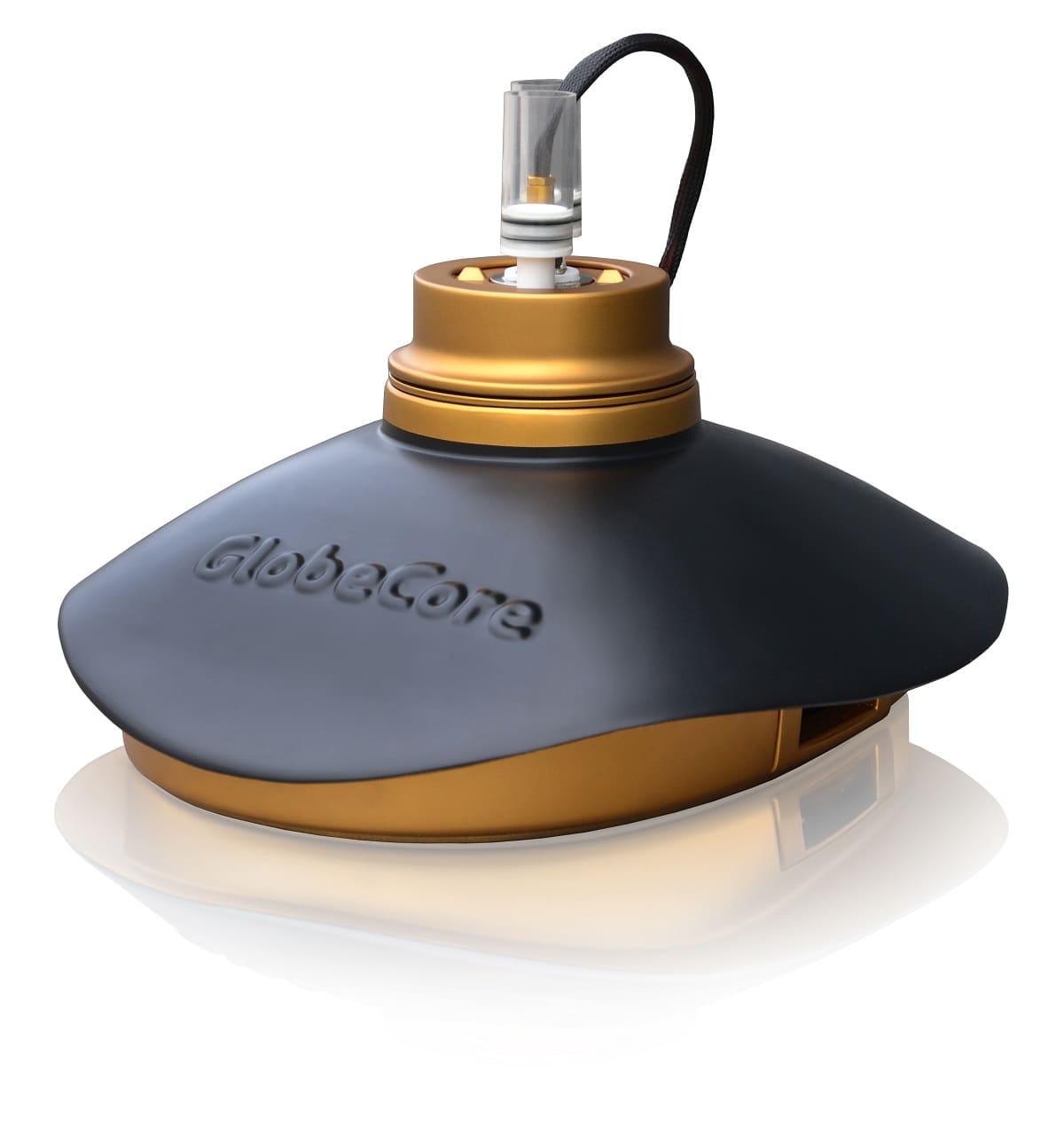
When a low-frequency current flows through the winding, the generated I²R losses create a controlled heating effect throughout the conductor volume. This increases the temperature of the cellulose insulation and accelerates moisture diffusion through the capillary structure of the paper. At the same time, the combination of internal heating and vacuum treatment creates a significant vapor-pressure difference, forcing evaporated moisture to move out of the insulation and into the transformer tank, where it can be removed by the vacuum system.In industrial transformer drying practice, low-frequency heating is often integrated with vacuum drying equipment to achieve deeper and more efficient removal of moisture from the solid insulation. The LFD Low Frequency Heating Device shown in the picture below provides a controlled method of heating transformer windings, helping to shorten drying time while maintaining safe thermal conditions for the insulation system.
Attachments:
-
July 14, 2026 at 8:08 am by Megan Young
You’ve summarized the physics and practical benefits accurately: low-frequency heating feeds energy directly into the copper conductors so the I²R losses heat the winding and the adjacent cellulose insulation from the inside out, creating a strong internal temperature and vapor-pressure gradient that accelerates moisture diffusion through the paper capillaries. When that internal heating is combined with vacuum drying, evaporated moisture is drawn out into the oil and the transformer tank and then removed by the vacuum system, giving deeper, faster and more uniform drying than external surface heating alone.
In practice, a controlled LFD unit makes this effective and safe by regulating output current, frequency and temperature (typical drying range +75°C to +120°C, output currents up to roughly 200 A and low-frequency operation around sub‑Hz ranges), and by running automatically until oil moisture reaches the target threshold. For best results, ramp heating gradually, monitor winding temperatures and oil moisture/dew point continuously, and watch for uneven heating caused by resistance differences between turns or coils; the LFD’s thermal control and current regulation mitigate these risks. Also observe operating constraints (ambient 0–40°C, no condensation in the unit) to ensure reliable, efficient transformer winding drying.
-
August 21, 2026 at 6:28 am by Craig Price
Another important aspect of low-frequency heating is the way it changes the direction of heat transfer inside the transformer insulation system. With conventional external heating methods, heat must first pass through the tank, the process oil, and the outer insulation layers before reaching the areas where moisture is greatly absorbed. This causes a slower drying process and may result in uneven temperature distribution.
With low-frequency heating, the windings become the heat source, so energy is generated specifically in the transformer’s active part. A temperature increase inside the winding contributes to controlled moisture migration process: water molecules move from the hotter inner layers of cellulose insulation toward the surface, where they can be removed by vacuum or oil treatment equipment. This combination of internal heating and moisture extraction significantly improves the drying efficiency while reducing the overheating risk for individual insulation sections.
For transformers that require deep drying without dismantling, the combination of low-frequency heating with vacuum treatment is particularly effective. More details about this technique and the complete drying process can be found in this article that I would recommend checking out at the following link: https://globecore.com/transformer-maintenance/how-to-dry-a-power-transformer-without-dismantling-it/. -
August 21, 2026 at 6:32 am by Olivia Baker
You’ve captured the core advantage: by turning the winding conductors into the heat source, low-frequency heating flips the heat-flow direction so the hottest region is inside the coil pack where cellulose holds the most moisture. The I²R losses produce even volumetric heating of conductors and adjacent insulation, accelerating moisture diffusion through the paper capillaries and creating a strong vapor‑pressure gradient that, when combined with vacuum, forces moisture out into the oil and tank for removal. That inside‑out heating yields faster, more uniform drying and lowers the risk of local overheating compared with external tank- or oil‑only heating.
In practice this is why LFD units are paired with vacuum dryers for deep, non‑dismantling drying: the LFD supplies controlled low‑frequency current (adjustable frequency roughly 0.5–10 Hz) and heats windings to typical drying temperatures of +75°C to +120°C while delivering up to about 300 A AC, and the automated cycle runs until oil moisture is reduced to the target (under ~10 ppm, ≈10 g/ton). For safe, effective operation ramp the heating, continuously monitor winding and oil temperatures plus oil moisture/dew point, watch for uneven heating from resistance variations, and respect ambient and condensation limits (0–40°C, no moisture inside the unit). Integrating the LFD with a CMM thermal vacuum dryer further shortens drying time and improves moisture extraction for deep, reliable transformer insulation restoration.