
 PT-PT
PT-PT
 FR
FR
 ES
ES
 DE
DE
 AR
AR
 PL
PL
 UA
UA
 ID
ID
 VN
VN
 IT
IT
 GE
GE
 UZ
UZ
 CN
CN
 KZ
KZ
 CZ
CZ


- You must be logged in to create new topics.
Craig Price
Craig Price
Forum Replies Created
-
AuthorPosts
-
Craig PriceModerator
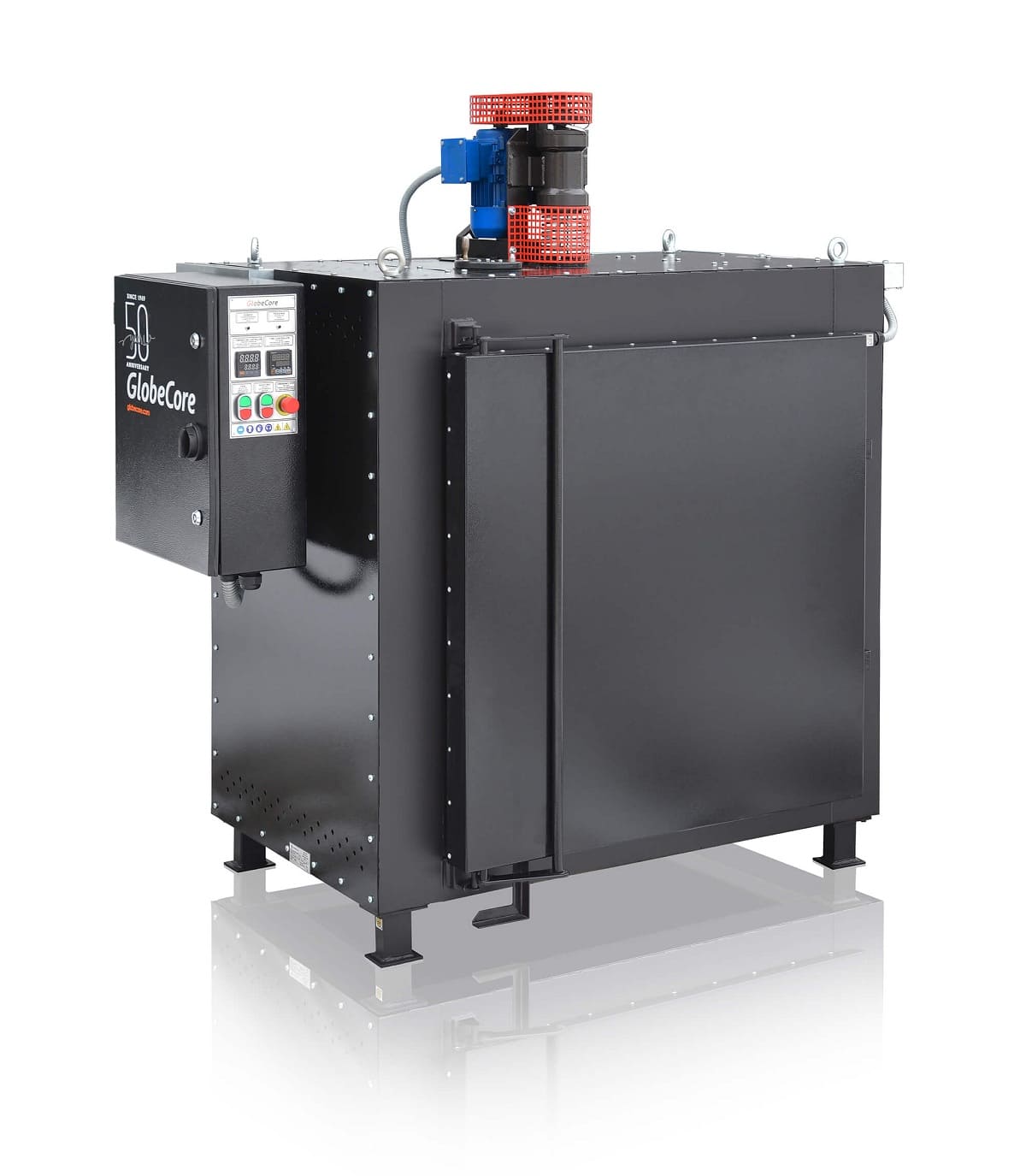
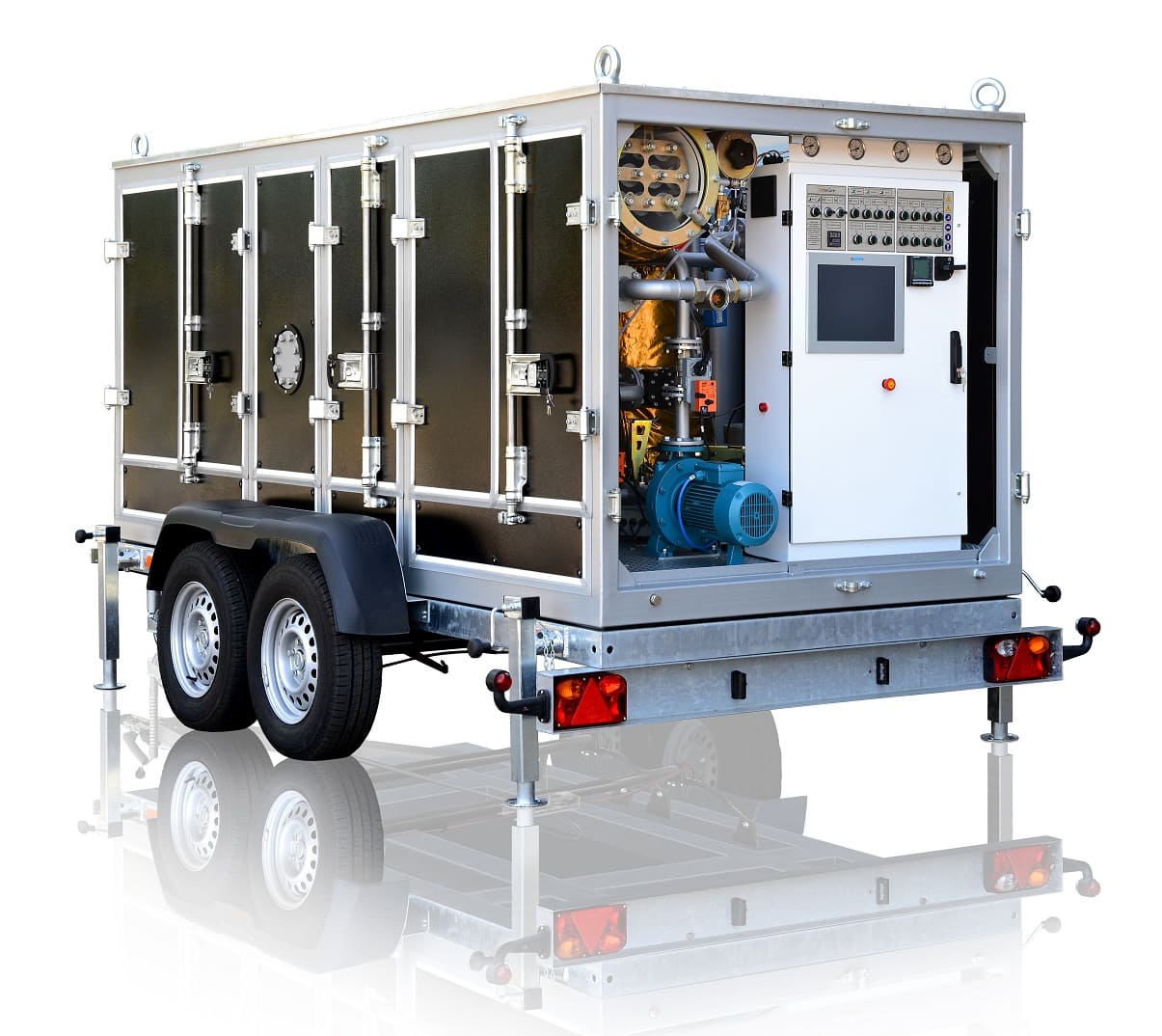
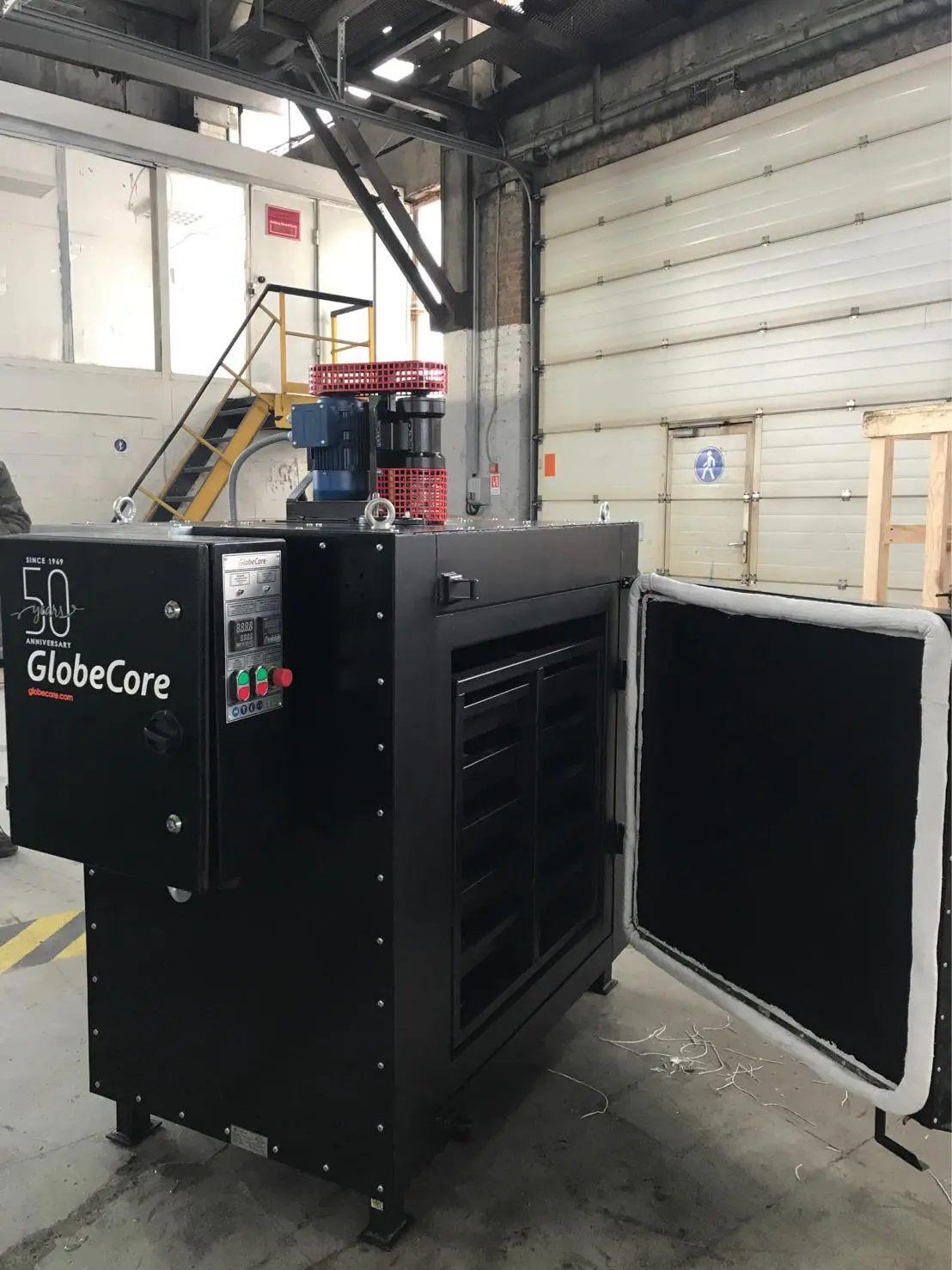
Joining this discussion, it’s worth noting that the efficiency of silica gel regeneration can be further improved by ensuring proper airflow around the material during the drying cycle. Optimizing the arrangement of trays and using the equipment such as the SSC unit helps achieve uniform heating, reduce hotspots, and prevent partial moisture retention. The image below illustrates the SSC system in operation, showing how controlled airflow and precise temperature management are integrated into an industrial-scale setup for consistent and reliable silica gel drying.
Attachments:
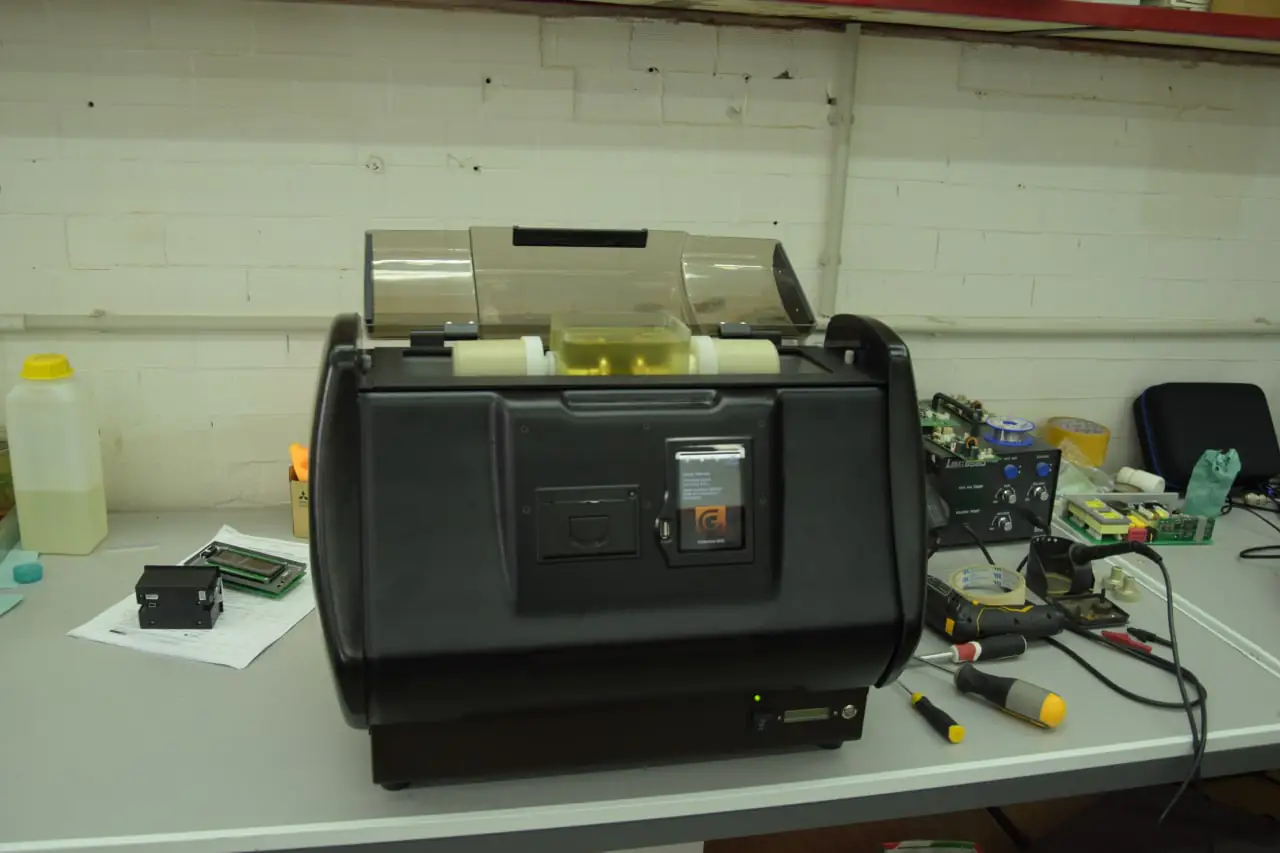
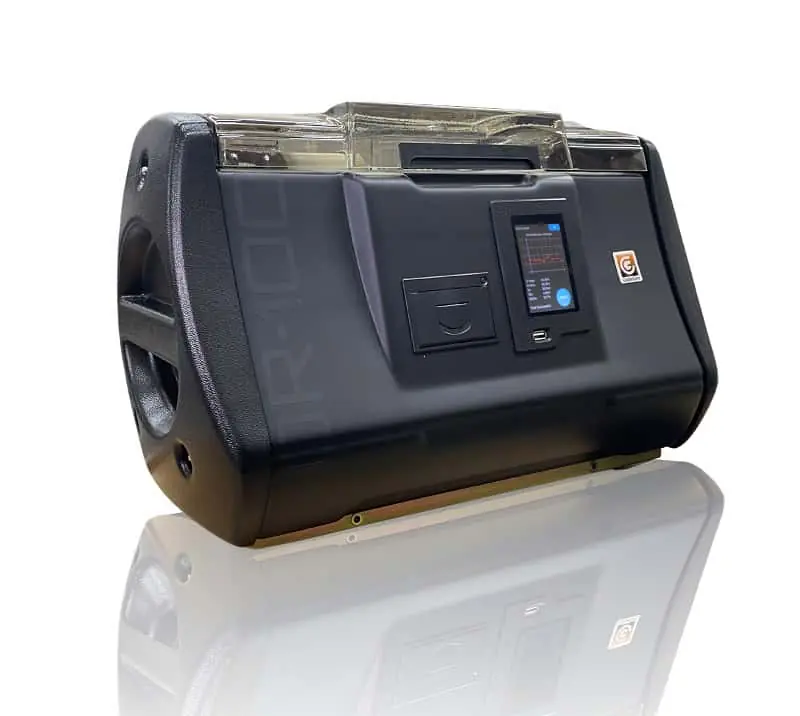
May 20, 2026 at 6:44 am in reply to: Best tester for high-voltage silicone oil dielectric strength #344420Craig PriceModeratorFor high-voltage silicone oil, dielectric strength testing is particularly important, because the oil should maintain stable insulation performance under severe electrical stress. A breakdown voltage test helps identify whether the oil has been affected by moisture, particulates, dissolved gases, or other contaminants that may reduce its reliability in service. In this regard, regular testing is not just a laboratory procedure, but a practical way to assess whether the insulating liquid is still safe for use in transformers and other high-voltage equipment. Portable automatic testers such as the TOR-80, or TOR-100 are useful, because they make this type of diagnostic work faster, more consistent, and easier to perform in routine maintenance. A photo of one of these testers gives a clear idea of how compact modern dielectric strength testing equipment can be.
Attachments:
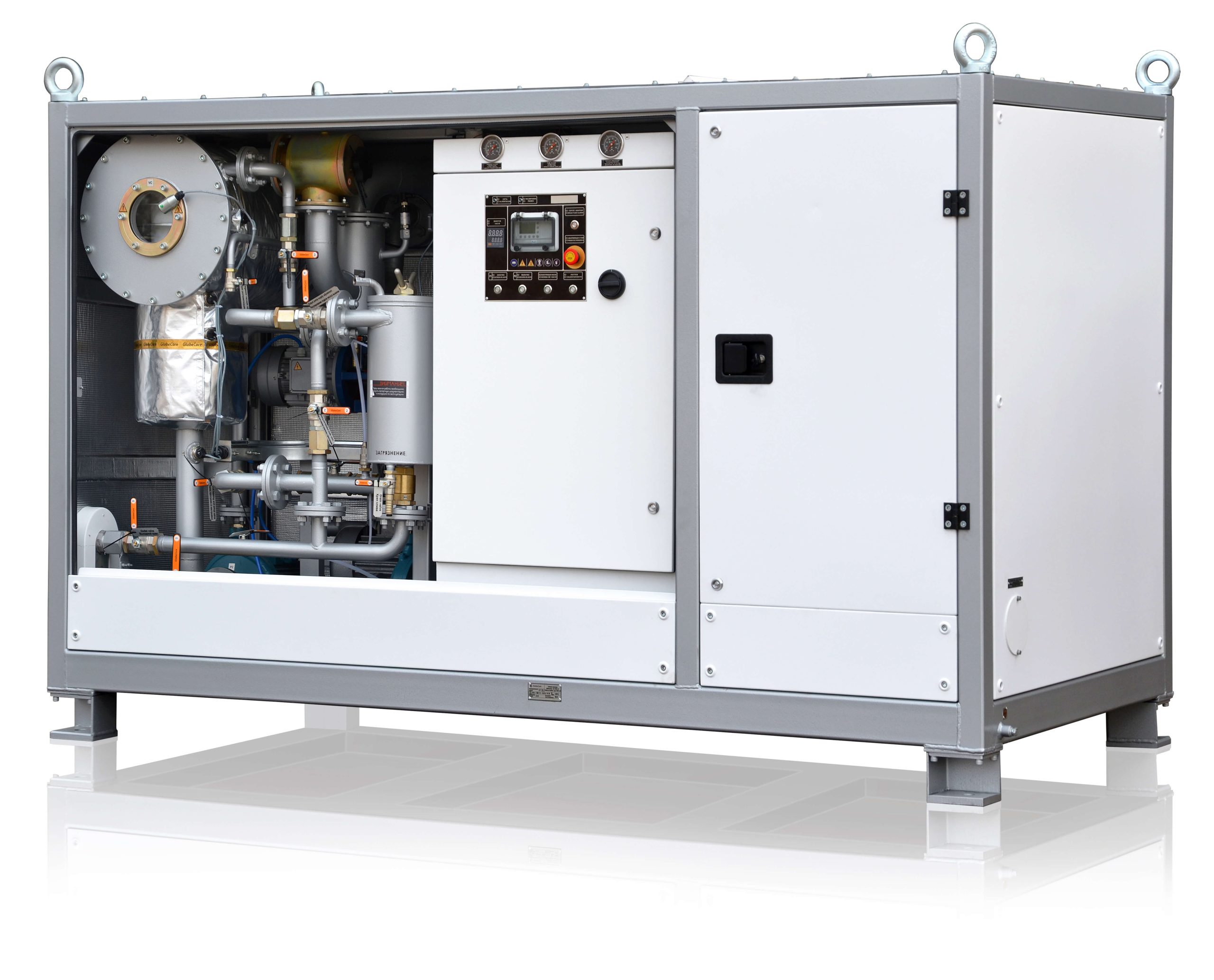
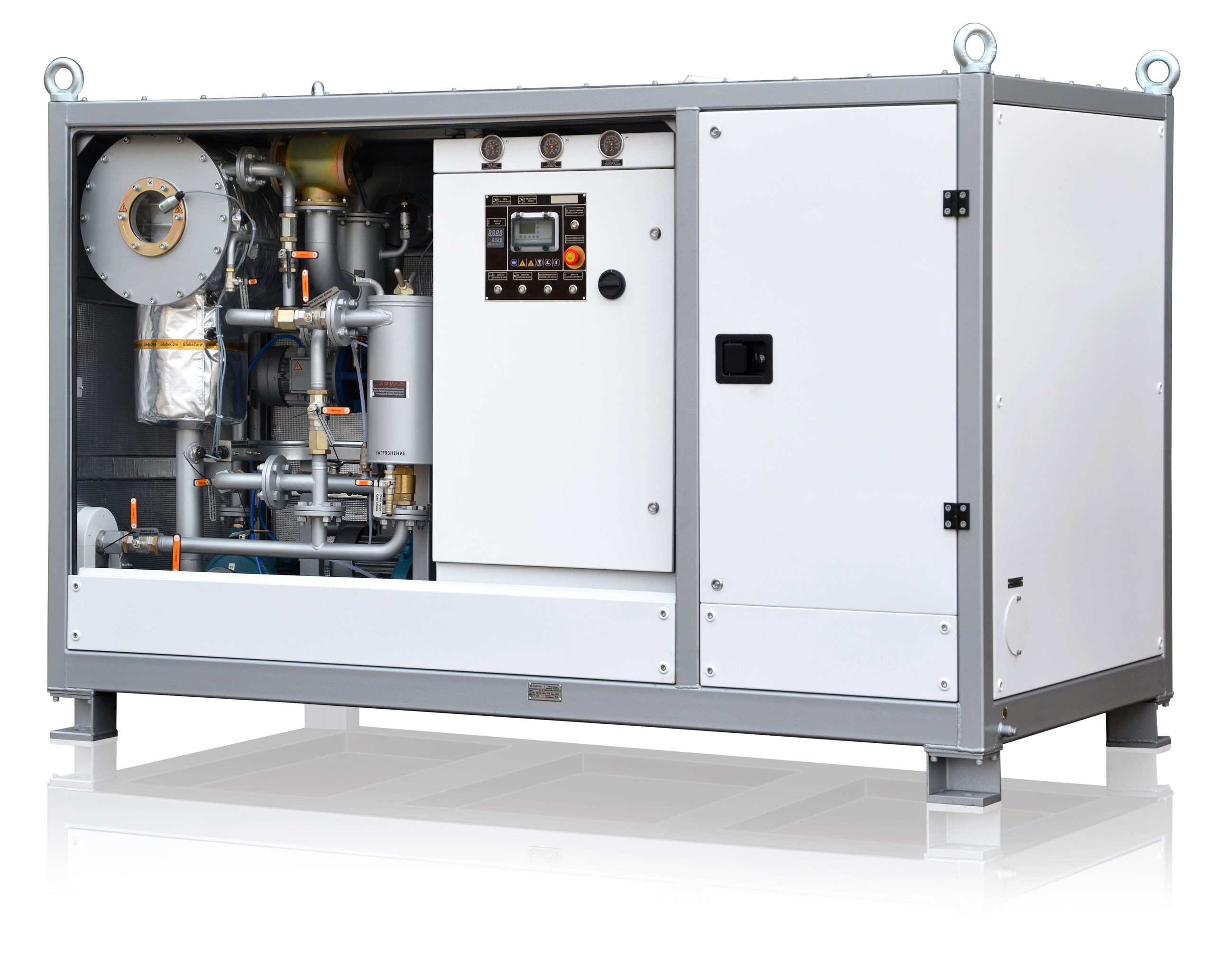
May 20, 2026 at 6:31 am in reply to: What methods are used for gas removal from silicone oil, and why is it important? #344417Craig PriceModeratorAn additional benefit of proper gas removal from silicone oil is the reduction of oxidation processes that can gradually affect insulation performance during long-term transformer operation. In practice, even relatively small concentrations of dissolved gases may influence cooling efficiency and create favorable conditions for partial discharges under high electrical stress. For this reason, vacuum degassing systems are widely used not only during maintenance, but also after oil transportation, storage, or transformer repairs. Compact mobile units such as the CMM-4/7 are particularly useful for on-site servicing, since they allow operators to process insulating oil directly at substations without transporting large oil volumes elsewhere. The photo of the CMM-4/7 unit below clearly shows how these systems are designed for field transformer maintenance.
Attachments:
May 20, 2026 at 6:14 am in reply to: Best analyzer for dielectric losses in silicone transformer oil #344414Craig PriceModeratorOne important aspect when testing silicone transformer oil is measurement stability under different operating conditions. Silicone-based insulating liquids behave differently as compared to conventional mineral oils, especially when it comes to dielectric response and dissipation factor at elevated temperatures. For this reason, many maintenance teams prefer using dedicated tan delta testers that can provide repeatable and accurate readings during routine diagnostic evaluations. The TOR-3 tester is often mentioned in this context due to its portability and automated measurement process, which makes field inspections much more convenient. Recently, I have come across a photo of the TOR-3 unit, which gives a good idea of how compact this type of testing equipment can be during on-site transformer maintenance.
Attachments:
May 18, 2026 at 1:33 pm in reply to: How do wind turbine transformer oil degassing and purification work together? #344384Craig PriceModeratorWind turbine transformer oil degassing and purification work together by removing gases, moisture, and solid contaminants from the oil. Degassing eliminates dissolved gases and moisture, while purification processes such as filtration and chemical treatment remove particulates and neutralize acids. Together, they maintain the insulating and cooling properties of oil, ensuring that the transformer operates efficiently.
Attachments:
May 18, 2026 at 1:33 pm in reply to: How do wind turbine transformer oil degassing and purification work together? #344382Craig PriceModeratorWind turbine transformer oil degassing and purification work together by removing gases, moisture, and solid contaminants from the oil. Degassing eliminates dissolved gases and moisture, while purification processes such as filtration and chemical treatment remove particulates and neutralize acids. Together, they maintain the insulating and cooling properties of oil, ensuring that the transformer operates efficiently.
Attachments:
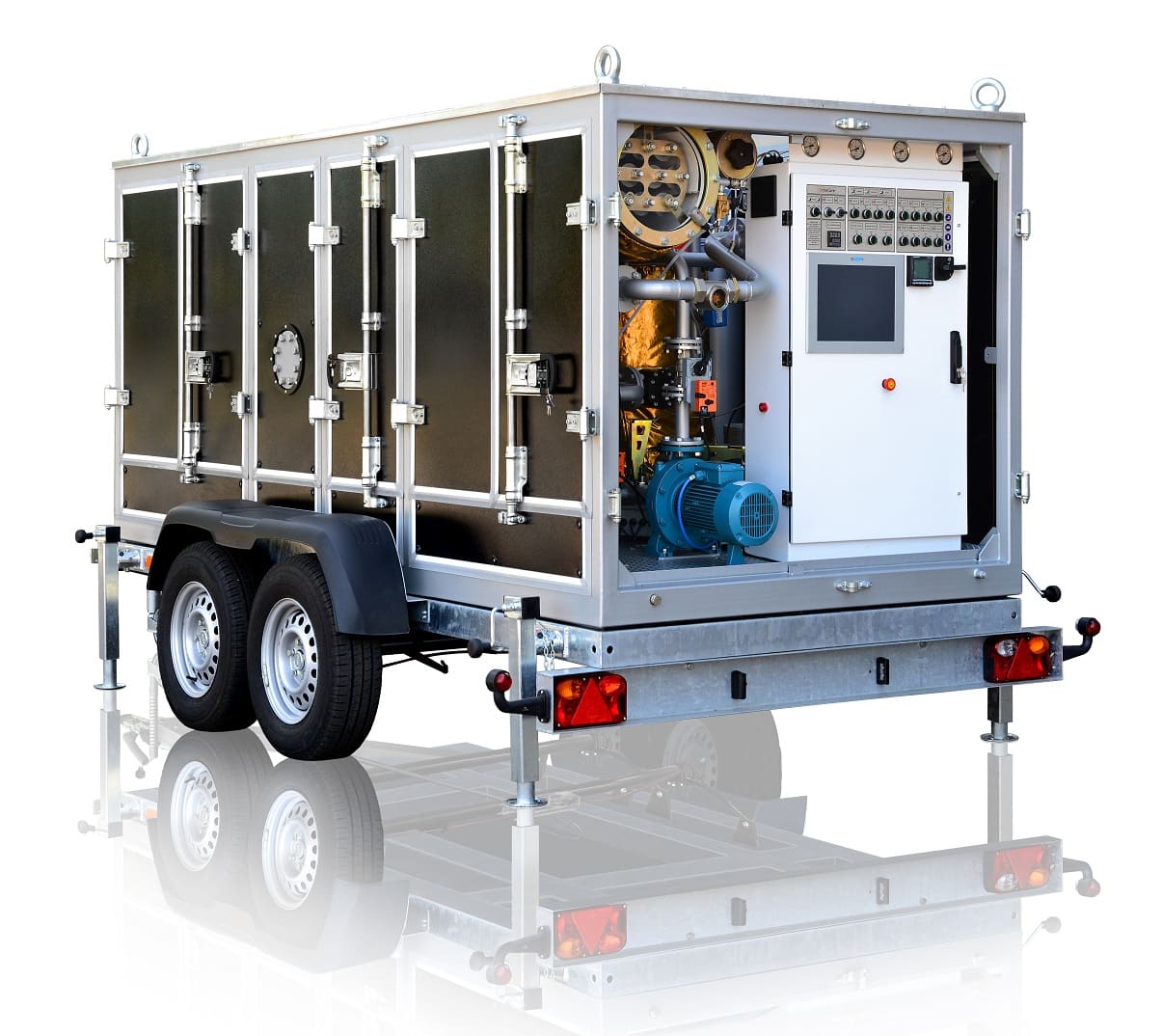
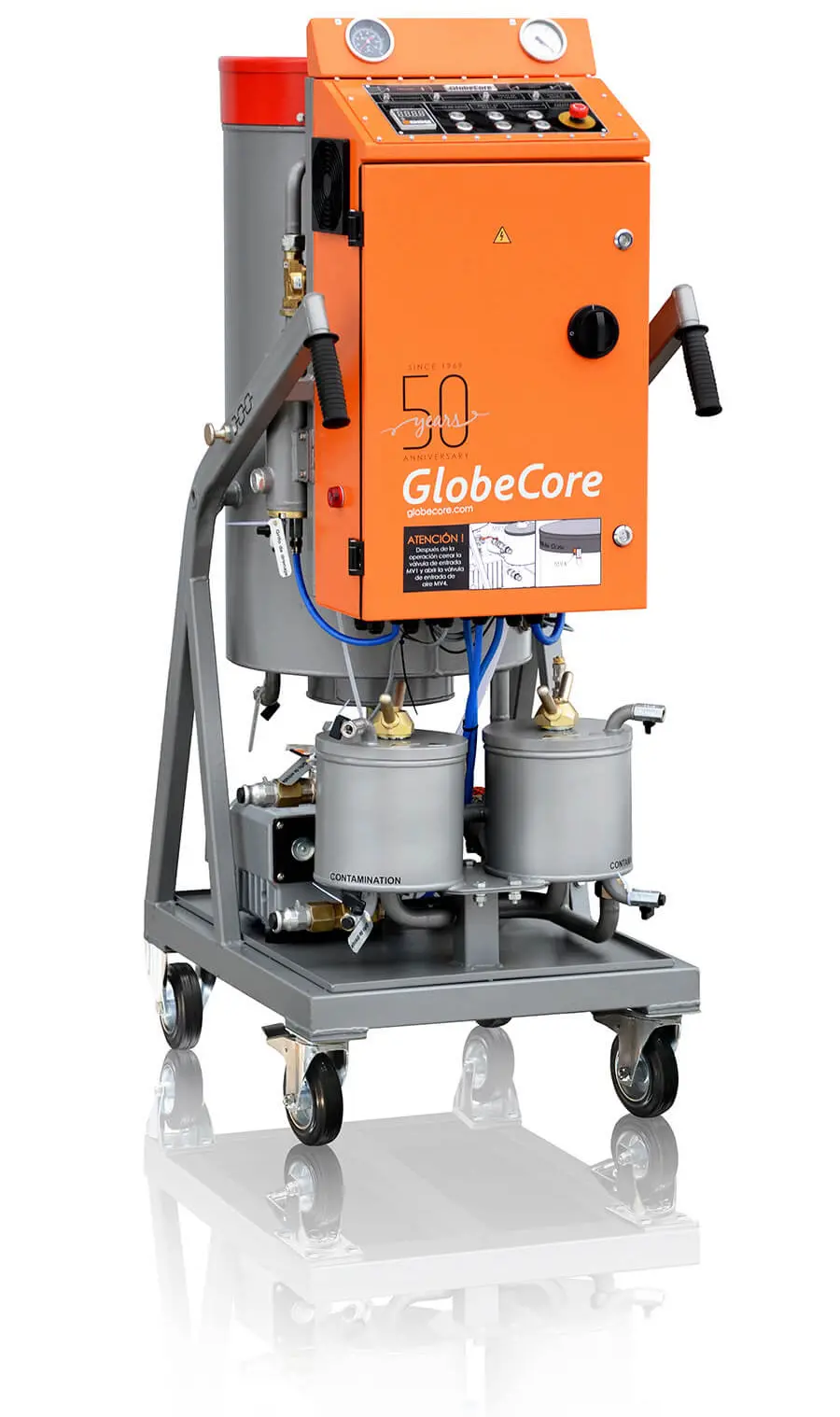
May 18, 2026 at 1:25 pm in reply to: What is the process of dehydration in wind turbine transformer oil? #344378Craig PriceModeratorAn important challenge with wind turbine transformers is that moisture accumulation often happens gradually due to constant temperature fluctuations and changing media inside the nacelle. For this particular reason, dehydration is usually most effective when performed as part of preventive maintenance rather than after severe contamination has already occurred. Mobile vacuum dehydration systems are widely used for this task, because they can be transported directly to the wind farm and connected on-site. The CMM-4/7 unit is one example of equipment designed for efficient transformer oil dehydration in field conditions.
Attachments:
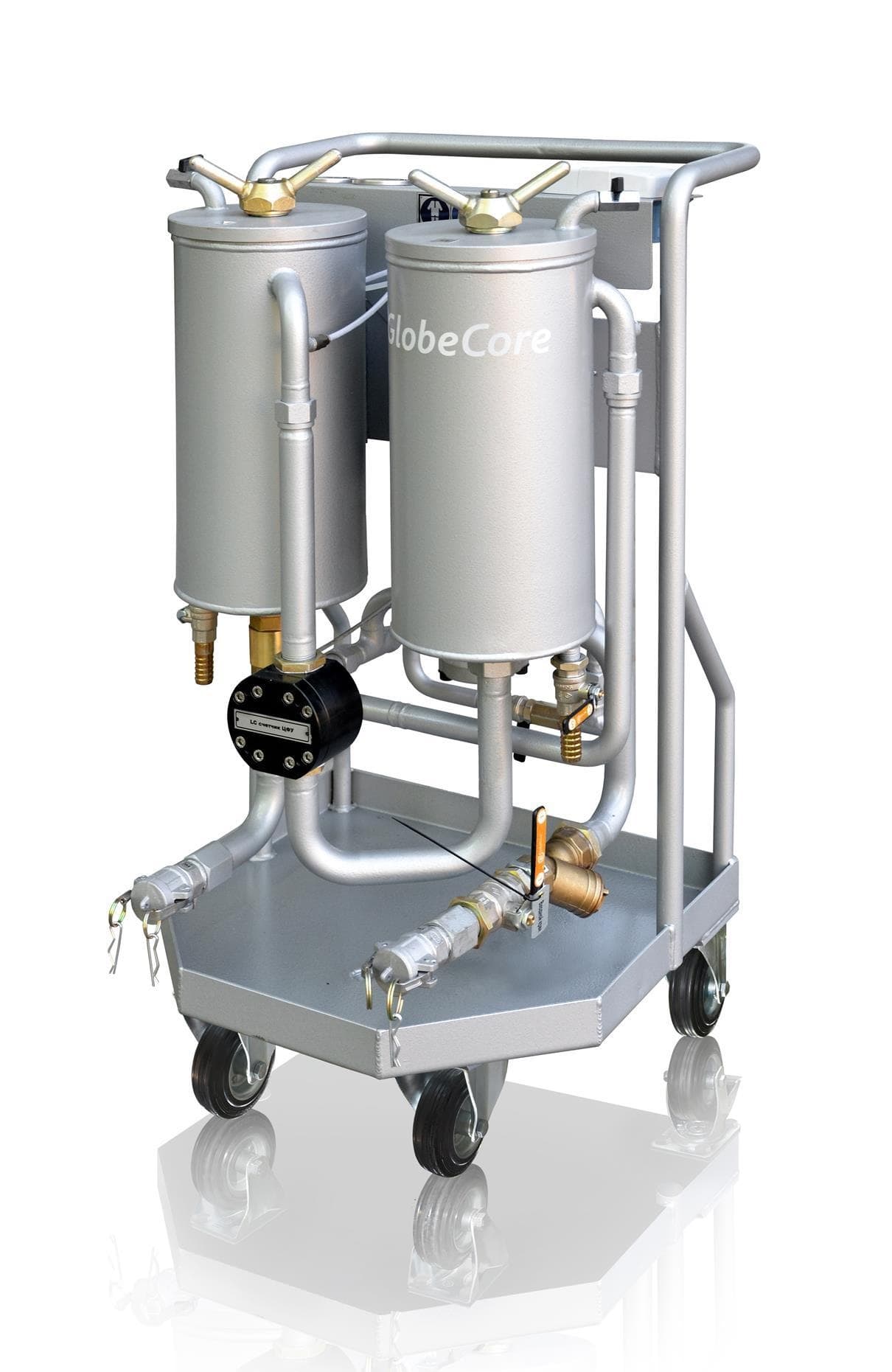
May 18, 2026 at 1:06 pm in reply to: What is the process for filtering x-ray transformer oil? #344371Craig PriceModeratorOne thing that is often overlooked with x-ray transformer oil is the sensitivity of medical and industrial imaging equipment to even small amounts of contaminants. In many cases, periodic oil treatment is not only about extending oil service life, but also about maintaining stable high-voltage performance and preventing image quality issues caused by insulation deterioration. Compact filtration units are particularly useful for servicing smaller x-ray systems directly on-site without dismantling the equipment. The CMM-0.6 unit is a good example of this type of portable solution for fine filtration and dehydration of insulating oil.
Attachments:
May 15, 2026 at 8:38 am in reply to: What methods are used for testing insulating oil in x-ray tubes? #344353Craig PriceModeratorAnother important aspect of x-ray tube oil maintenance is the consistency and repeatability of testing procedure. Even small variations in contamination, temperature, or moisture can significantly influence dielectric strength readings, which is why many laboratories and service companies rely on automated breakdown voltage testers for more accurate diagnostics. Units such as the TOR-80 and TOR-100 are designed specifically for this type of analysis, allowing operators to monitor oil condition more reliably and detect insulation problems before they lead to equipment failure.
Attachments:
Craig PriceModeratorOne important advantage of zeolite drying systems is their ability to maintain stable drying performance even under demanding operating conditions where conventional moisture removal methods become inefficient. In industrial environments, these systems are often integrated with heating, airflow control, and regeneration cycles to restore the adsorption capacity of zeolite and ensure continuous operation. Compact regeneration units such as the SSC system are designed specifically for this purpose, helping extend sorbent service life and improve overall drying efficiency.
Attachments:
May 15, 2026 at 6:17 am in reply to: What types of cutting oil filtration systems are available and how do they work? #344347Craig PriceModeratorThat’s a good overview of the main filtration technologies, but in real industrial conditions the efficiency often depends on how several methods are combined into a single system. For example, many modern machines use centrifugal separation together with vacuum dehydration and fine filtration to handle not only solid particles, but also dissolved water and gases that can seriously affect coolant performance and equipment service life. The systems built according to this principle are particularly useful in heavy-duty industrial applications where oil contamination is more complex than simple metal fines. The CMM-4.0 (CFU) machine is a good example of this type of integrated technique in practice.
Attachments:
May 4, 2026 at 6:22 am in reply to: What are the benefits of restoring oil instead of replacing it, as enabled by CMM-12R oil regeneration systems? #344188Craig PriceModeratorOne more important advantage of oil regeneration is that it goes beyond simple fluid replacement by restoring the chemical and dielectric properties of the existing oil, rather than just instilling new oil into an already aged system. Regeneration removes oxidation by-products such as acids, sludge, and polar contaminants, which are key drivers of insulation degradation and cannot be eliminated by conventional filtration or oil replacement alone.
Another critical point is that regeneration helps preserve the integrity of solid insulation, which ultimately defines transformer lifetime. By removing aggressive compounds from both the oil and the insulation system, regeneration slows down irreversible aging processes and reduces the risk of premature failure.
From an operational perspective, regeneration is also more efficient: it can often be performed on-site and even while the transformer remains energized, minimizing downtime and avoiding the logistical challenges associated with draining, transporting, and disposing of large oil volumes.
Overall, this technique not only reduces environmental impact and operating costs, but also provides a more sustainable long-term maintenance strategy compared to periodic oil replacement.
If you’d like to explore how regeneration systems such as the CMM-12R work in practice and what specific benefits they deliver, I recommend reviewing this article: https://globecore.com/oil-processing/regeneration-used-oil/.Craig PriceModeratorOne additional point to consider is how stable the filtration performance remains over long operating cycles, especially in systems where coolant contamination is continuous (e.g., grinding or high-speed machining). Even well-designed fine filtration stages can lose efficiency as filter media loads, so pre-conditioning the fluid before fine filtration becomes critical.
For example, integrating a vacuum-based separation stage can significantly improve overall system performance. While typically associated with oil purification, vacuum systems are also effective in removing dissolved gases, excess moisture, and volatile contaminants, which are often overlooked in coolant maintenance, but still affect fluid stability and tool service life. The principle is based on lowering pressure so as water and gases evaporate at lower temperatures and are extracted from the fluid flow.
Another practical benefit of combining vacuum treatment with filtration is that it reduces the load on fine filters, helping maintain a stable differential pressure and extending service intervals. This becomes essential in centralized or continuous filtration setups, where downtime and filter replacement costs quickly add up.
If you want a clearer explanation of how vacuum filtration and multi-stage purification systems are implemented in real industrial applications, this article is definitely worth reviewing: https://globecore.com/oil-processing/vacuum-oil-filter-machine/.Craig PriceModeratorOne more aspect worth considering is not just the nominal filtration rating, but how the system maintains performance over time under real operating conditions. In heavy-duty hydraulic applications, filters tend to load quickly, especially when dealing with fine particles below 5 µm. For this reason, industrial systems often rely on progressive filtration (coarse → fine) combined with proper monitoring of differential pressure to avoid bypass situations.
Furthermore, it’s important to remember that contaminants in hydraulic oil is not limited to solids. Even if particle filtration is effective, dissolved water and gases can still degrade system performance, leading to corrosion, cavitation, and reduced lubrication quality. This is why integrated solutions that combine filtration with thermal-vacuum treatment are typically more reliable for long-term operation.
Another practical point is filtration degree selection: going too fine (e.g., ≤1 µm) without proper system design can cause rapid clogging and pressure drops, especially with viscous oils. In many cases, an optimized range (around 3–10 µm depending on system tolerances) provides the best balance between cleanliness and operational stability.
If you are evaluating hydraulic oil purification techniques in greater detail, this article gives a good overview of how filtration stages, contamination types, and purification technologies are combined in practice: https://globecore.com/news/hydraulic-oil-purification/.May 1, 2026 at 9:32 am in reply to: I want to process peat moss to extract humic and fulvic acids, with the liquid extract as the main product. Target throughput is ~1,000 L/hour. What equipment and extraction technologies would you recommend (mixing, extraction, separation/filtration, and concentration), and what setup works best for continuous production? #344165Craig PriceModeratorBeyond the equipment already mentioned (AVS machines for intensification, centrifugation, filtration, and membrane concentration), it’s important to consider the overall process logic for continuous production, especially at ~1,000 L
In industrial practice, the extraction of humic and fulvic acids from peat is almost always based on alkaline extraction, since these compounds are soluble in basic media (typically KOH or NaOH solutions). The key challenge is not just to dissolve them, but to do so efficiently and consistently in a continuous flow.
From a process perspective, a robust continuous setup typically includes:
Raw material preparation (crushing and slurry formation) to increase surface area and ensure stable feeding into the system.
Intensified extraction stage (e.g., AVS or similar high-energy mixing technology), where mechanical activation significantly accelerates mass transfer and reduces extraction time compared to conventional batch processes.
Separation stage (centrifugation or decantation followed by filtration) to isolate the liquid phase containing humic and fulvic acids from solid residues.
Polishing and concentration that often involve the use of membrane systems or evaporation, depending on the desired final concentration and stability.
The key advantage of intensified technologies (such as vortex layer-based or ultrasonic-assisted extraction) is that they can reduce extraction time from hours to minutes while improving yield and reducing reagent consumption, which is essential for continuous operation at an industrial scale.
Another important point is process stability: in continuous systems, maintaining consistent pH, temperature, and solid-to-liquid ratio is critical for achieving uniform product quality. This is where modular configurations (reactor → separator → filtration → concentration) provide better control than simple batch systems.
If you want to see how such process intensification techniques are implemented in practice (including equipment configuration and operating principles), it’s worth reviewing this article: https://globecore.com/milling/humic-fertilizers-production-from-peat/.Craig PriceModeratorIn addition to the equipment already mentioned (such as compact vacuum purification units and vacuum filling systems), it’s important to consider that oil processing for X-ray transformers is not just about cleaning — it’s about achieving and maintaining very strict dielectric and purity parameters over time.
For instance, even small amounts of moisture or dissolved gas can drastically reduce dielectric strength — in some cases by several times, which is critical for high-voltage X-ray systems. Therefore, technologies based on thermal vacuum dehydration and degassing combined with fine filtration are essential, especially in compact units such as the CMM-0.4, or the CMM-0.6, which are specifically designed for small oil volumes and precise applications.
Another important aspect is multi-stage processing: oil is typically passed through coarse and fine filters, then heated and exposed to vacuum to remove both free and dissolved contaminants. This staged technique ensures restoration of dielectric properties and long-term stability of the equipment. In practice, this also allows maintenance teams to reuse oil safely instead of changing it, which is particularly relevant for service centers handling multiple X-ray machines.
If you want a detailed overview of how compact purification systems are applied, specifically in X-ray machines, including the operation principles and the equipment configurations, it’s worth reviewing this article: https://globecore.com/oil-processing/purification-of-transformer-oil-in-x-ray-machines-with-the-cmm-0-4-unit/.May 1, 2026 at 7:15 am in reply to: What equipment is used for laboratory testing of transformer oil quality? #344161Craig PriceModeratorIn addition to using individual devices such as the TOR-80 for breakdown voltage, it’s important to understand that laboratory testing of transformer oil is usually carried out as a comprehensive, multi-parameter analysis rather than a single measurement. Different properties, including moisture content, gas presence, dielectric losses, and contamination, are evaluated using specialized instruments, each targeting a specific aspect of oil condition.
For example, along with dielectric strength testers, laboratories often use instruments for measuring moisture (ppm or active water), dissolved gases (early fault detection), and particle contamination according to standards such as ISO 4406. This combination of tests allows engineers to not only assess current oil quality, but also identify early-stage degradation mechanisms and predict potential transformer issues.
Another key point is that modern testing equipment is increasingly portable and automated, which bridges the gap between laboratory and on-site diagnostics. This enables faster decision-making and reduces the need for long downtime when evaluating transformer condition.
If you want a structured overview of available instruments and what parameters they measure, it’s worth checking this resource: https://globecore.com/products/instruments/.April 30, 2026 at 7:04 am in reply to: What unit can be used for purification of industrial oils with water and solid contamination? #344105Craig PriceModeratorIn addition to filtration, dehydration, and degassing, it is important to consider how stable the purification process is under real operating conditions. Industrial oils often contain not only solids and water, but also dissolved gases, oxidation products, and fine contaminants that can gradually affect equipment reliability.
For this reason, a plant such as the CMM-6/7 should be evaluated not only by its flow rate, but also by the treatment technology it uses: heating, vacuum processing, and multi-stage filtration. This combination helps restore oil performance more effectively than simple filtration alone, especially when the oil is used in hydraulic systems, turbines, transformers, or other critical equipment.
Another practical advantage is mobility. A mobile oil purification plant can be moved between different tanks, machines, or service points, which is particularly useful for industrial facilities where several oil-filled systems require periodic maintenance.
For a broader overview of oil purification methods and appropriate equipment selection, I recommend checking out this article: https://globecore.com/oil-processing/oil-purification/.April 30, 2026 at 6:37 am in reply to: What device is used to measure the breakdown voltage of transformer oil? #344103Craig PriceModeratorThat’s correct. Considering this, it’s important to understand that breakdown voltage testing is not just a one-time measurement, but a key diagnostic solution for assessing transformer reliability over time.
Devices such as the TOR-80 breakdown voltage tester apply a gradually increasing voltage to an oil sample until an electrical discharge occurs, which reflects the dielectric strength of oil — its ability to resist electrical stress without failure. This parameter is highly sensitive to contaminants, including moisture and particles, which significantly reduce insulating performance.
What’s often overlooked is that a single BDV value is less informative than a series of measurements. In practice, multiple breakdown tests are performed on the same sample, and the average result is used to evaluate oil condition. A downward trend over time can indicate progressive contamination or aging —even before the values fall below critical thresholds (typically around 30 kV for in-service oil).
Furthermore, BDV testing is crucial for maintenance decisions. It helps determine whether oil requires filtration, dehydration, or full regeneration, which makes it a practical solution not only for diagnostic evaluation, but also for planning corrective actions.
If you want to better understand the testing procedure, the key influencing factors, and how to interpret the results in real operating conditions, I recommend reviewing this article: https://globecore.com/oil-testing/transformer-oil-breakdown-voltage-measurements/.April 30, 2026 at 6:23 am in reply to: Is there a system for continuous monitoring of transformer condition in real time? #344101Craig PriceModeratorIn addition to what has already been mentioned, it’s worth noting that systems such as the TOR-4 transformer status monitoring system represent an interesting evolution toward hybrid solutions that combine monitoring and active maintenance.
Unlike purely diagnostic platforms, such systems not only track parameters like moisture, pressure, and oil condition, but also physically influence the transformer state by continuously removing water from the oil with the use of sorbent technology. The integrated controller monitors key parameters (moisture content, filter condition, oil level, pump operation) and can automatically stop the system in case of abnormal conditions, such as leaks.
What makes this technique particularly valuable is the shift from periodic intervention to continuous conditioning of the insulation system. By maintaining low moisture levels in oil, the system indirectly reduces moisture in solid insulation as well, because moisture is one of the main factors that contributes to transformer aging.
Therefore, if you look at modern practice, the most effective solutions are no longer just “monitoring systems”, but integrated platforms that combine diagnostics, analytics, and corrective action in real time.
If you want a deeper understanding of how these systems are structured and applied in practice, I recommend reviewing this article: https://globecore.com/oil-testing/tor-4-transformer-status-monitoring-system/. -
AuthorPosts