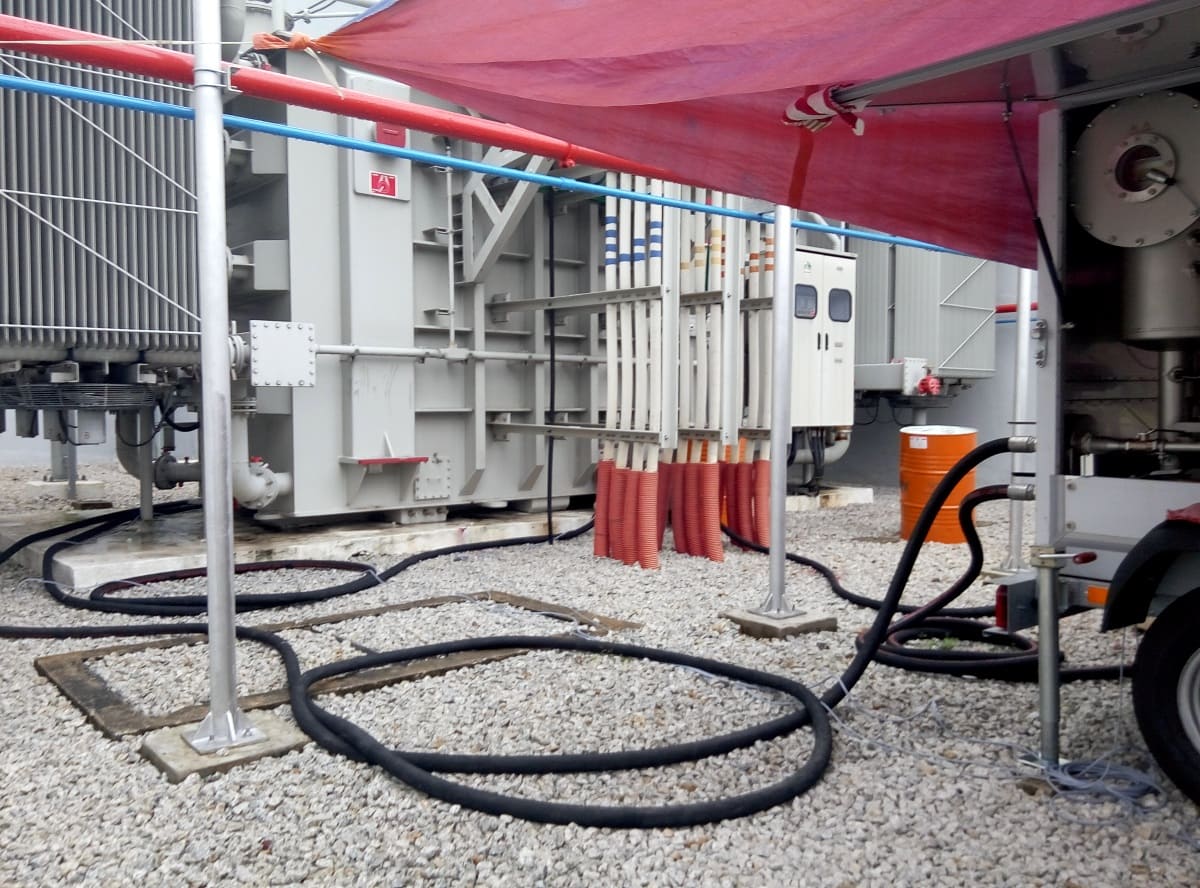
TOR-5 transformer status monitoring system

In this article, we will discuss special aspects of transformer diagnostic evaluation and focus on online transformer monitoring systems. The presence of such systems makes transformer servicing easier, more convenient, and cost-effective. Approaches to classification of transformer status monitoring methods There exist various approaches to classification of transformer status monitoring methods which are determined byRead More
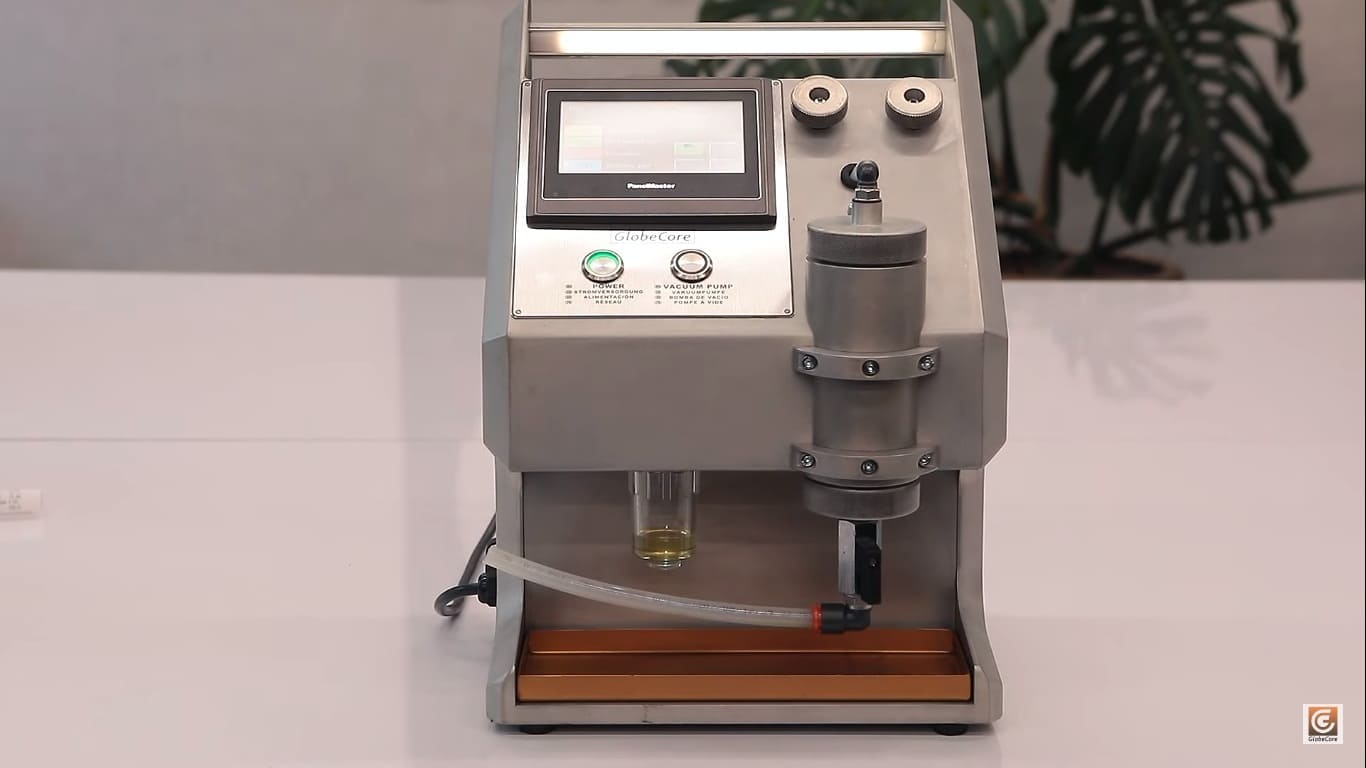

Measurement of hydrogen content in transformer oil

Oil is used in a transformer to insulate live parts and to remove heat. These are two main functions, but there is also a third function: insulating oils are a good information environment by means of which it is possible to diagnose the development of various defects. This is due to the fact that gasesRead More

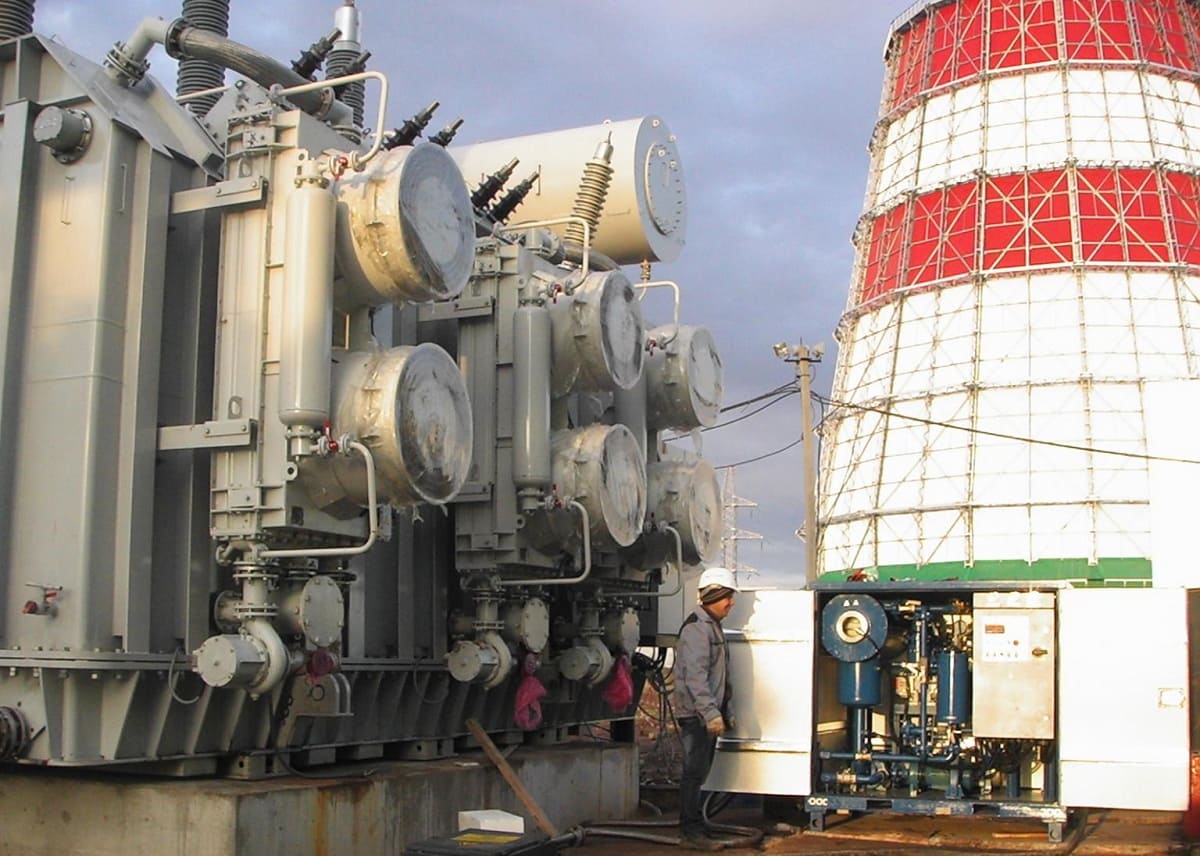
Detection of transformer insulation wetness

Power transformers are an important link in electrical power supply systems. They allow connecting the grid sections of different voltages and reducing the electricity losses during electricity transmission over great distances. A sudden failure of even one transformer causes the entire neighborhoods to remain without electricity. For this to happen as seldom as possible, maintenanceRead More

rongalite production

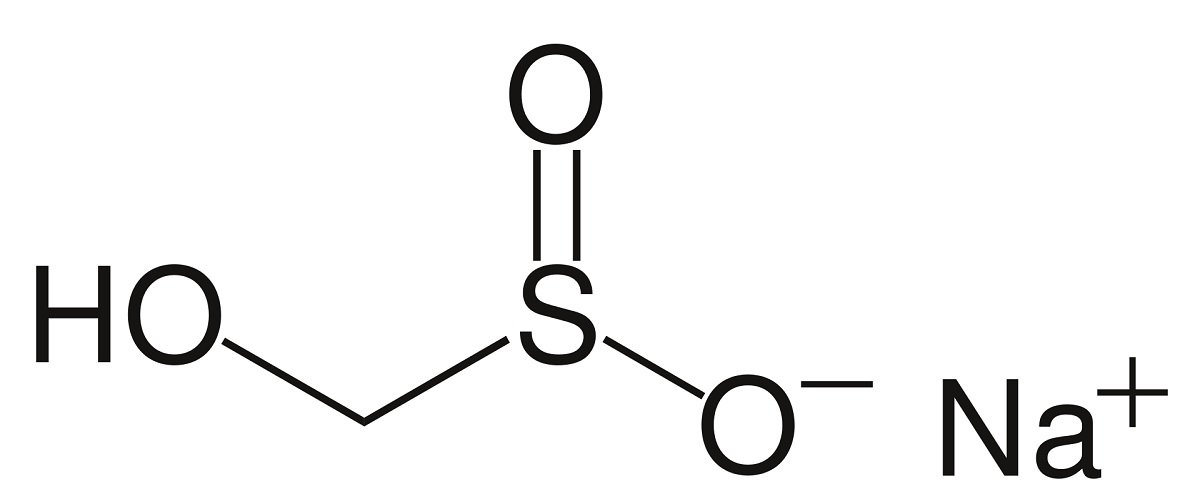
Rongalite production in a vortex layer device

In the previous articles, we spoke about the capabilities of a vortex layer device in terms of grinding, mixing, and activating various substances. But the device can also be used to run and accelerate chemical reactions. One of such reactions is the reduction of sodium bisulfite in rongalite production. What is rongalite and where isRead More

oil shale grinding

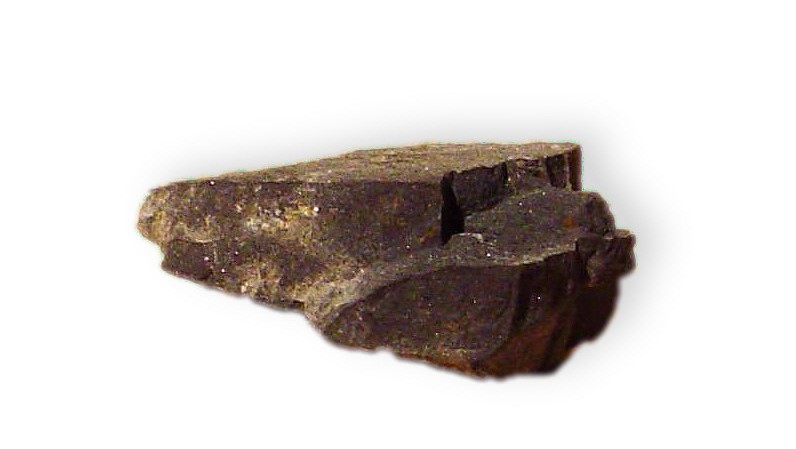
Oil shale grinding in obtaining light petroleum products

In this article, we will discuss oil shale grinding, the process that takes place in obtaining light petroleum products from heavy oil residues. What are oil shales and how are they applied in obtaining light petroleum products? The process of obtaining fuel fractions from oil is accompanied by formation of heavy oil residues. These includeRead More

lubricant grease production

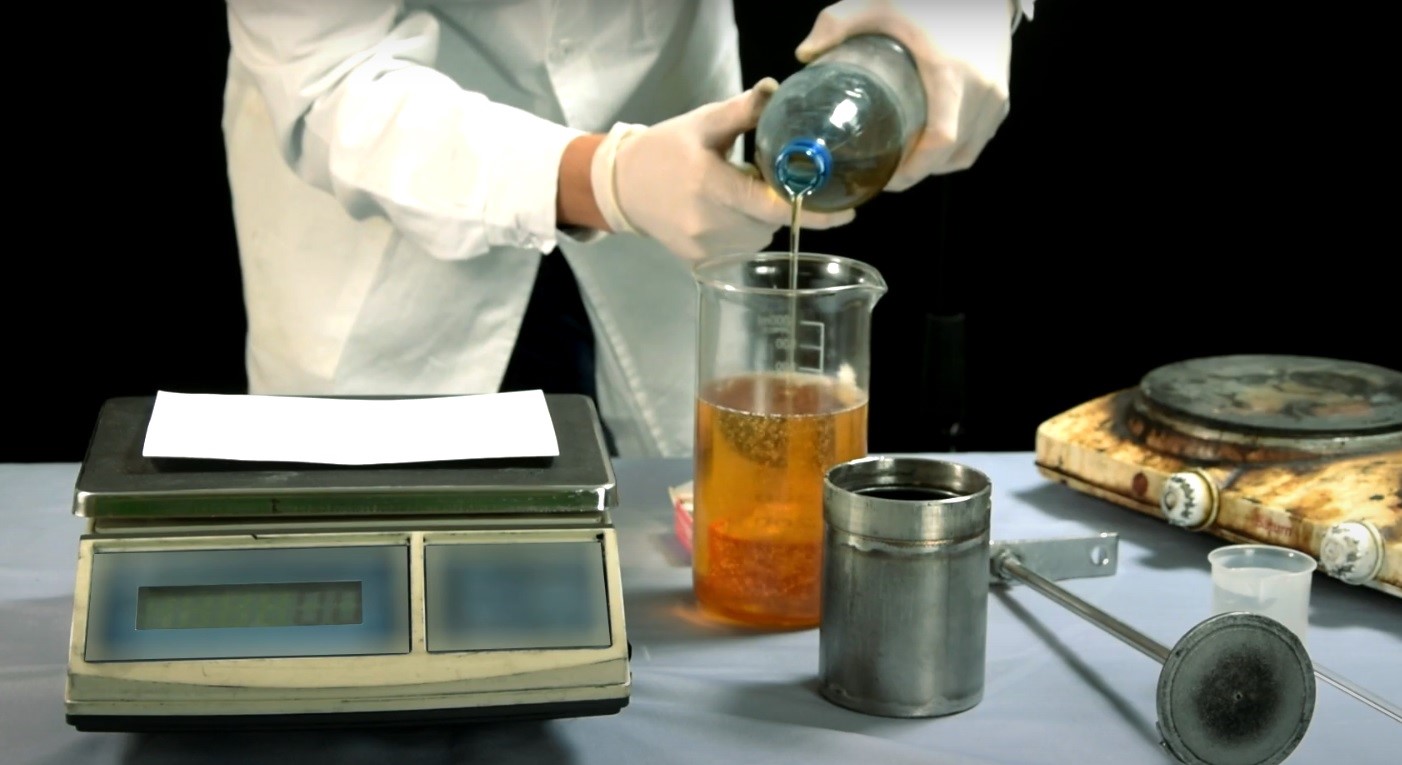
Lubricant grease production by means of a vortex layer device

Lubricant grease is a thick anti-friction, water-repellent multipurpose lubricant. It is a slippery, fatty, pasty mass of yellow or brown color. It is produced on the basis of industrial (petroleum, mineral) oils. Lubricant grease production involves thickening the raw stuff by adding the calcium soap derived from fatty acids through saponification. The main advantage ofRead More

cocoa shell grinding

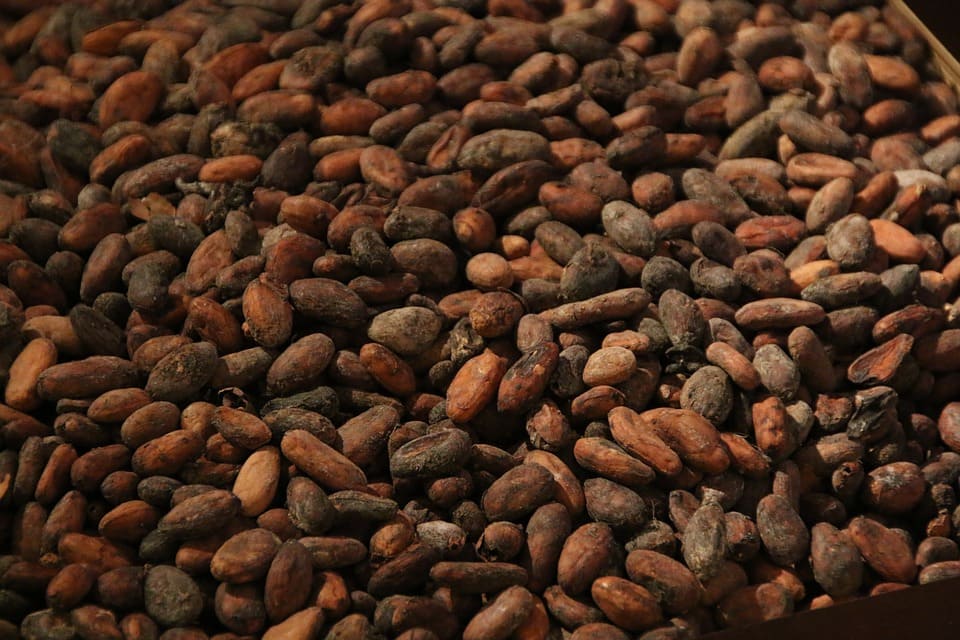
Cocoa shell grinding as a waste recycling method

In this article, we will tell you how cocoa shell is ground. Cocoa shell is the husk of cocoa beans formed in the process of crude chocolate production. World market of cocoa beans The main suppliers of cocoa beans to the world market are African countries. If we take the average annual consumption of thisRead More

fodder production

Fodder production by means of a vortex layer device

In this article, we will discuss fodder production using electromagnetic technologies. Liquid mixed fodder is a feed compound with the moisture content of 70–80% in the form of a homogeneous suspension of ground grain raw stuff, water, and additives. It is applied for feeding the calves using a milk substitute emulsion. Feed compounds in theRead More

fast-neutron reactor

Special aspects of fuel production for fast-neutron reactors

According to various estimates, the share of nuclear energy is at least 10–16% of all the energy resources generated in the world. In some countries, such as France, nuclear energy ranks high — 71.6%. In China, the share of nuclear energy does not exceed 4%. The use of nuclear energy is a matter of debate,Read More

sugar beet processing

Sugar beet processing — what shall be done to waste?

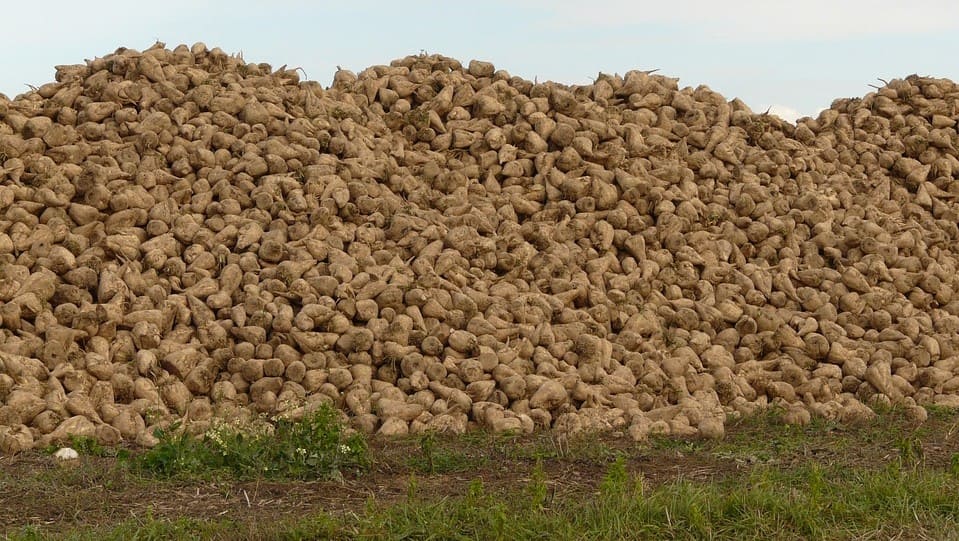
Sugar beet processing is an important technological procedure in sugar production. This product is extensively used all over the world as evidenced by large production volumes — at least 168 million tons per year. Brazil, India, the European Union, Thailand, China, the United States, and Russia stand out of major sugar producers. Countries of warmRead More

production of cutting fluids

Production of cutting fluids by means of a vortex layer device

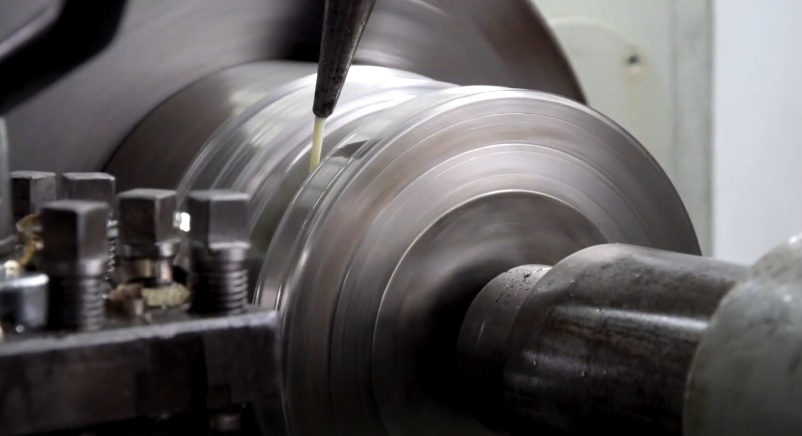
Cutting fluids are emulsions used in the field of mechanical processing of metals, stone, ceramics, and plastics. Such means are used to lubricate and cool the workpiece and the working tool in the zone of their contact while drilling, cutting, and pressing are performed. Basically, cutting fluids are used for turning and milling the workpieces.Read More

burovoy-rastvor-2

Drilling mud production in a vortex layer device

In this article, we will discuss drilling mud production by means of a ferromagnetic particles vortex layer technology and evaluate the prospects of applying this technology in the oil and gas industry. Drilling mud is an important part of the technology for development of mineral resources (oil and gas). It is responsible for several functionsRead More

Peat gel

Peat gel production in vortex layer device

Peat gel is a biologically active fertilizer based on humic acids, trace elements, minerals, and nitrogen compounds. It is made from peat. It is a humic preparation that acts as a plant growth catalyst and a soil remediator. It also acts as an immunomodulatory agent for poultry and animals that contributes to boosting their immunityRead More

coffee milling

Coffee milling in vortex layer devices

Coffee milling is a mandatory stage of manufacturing both a natural product from roasted coffee beans and an instant freeze-dried, granulated, or powdered beverage. Depending on the type of coffee, grinding is performed to a certain fraction. It may be coarse grinding with a size of almost a millimeter, medium, fine grinding to tenths ofRead More

cement grinding

Cement grinding in vortex layer devices

In this article, we will discuss how cement grinding, cement activation, microcement production, and dry mortar production are carried out by means of vortex layer devices. Cement is the most expensive part of concrete that considerably determines the quality of concrete products, as well as the reliability and durability of structures built on their basis.Read More

peper milling

Pepper milling

Pepper milling is a technological process for grinding a product to obtain a powdery constituent used as a base, an additional or active ingredient in the production of food supplements, spices, mixtures, ointments, and aerosols. In order to grind pepper on an industrial scale, special mills are used. Some of them operate according to theRead More

coal grinding

Coal grinding to obtain water-coal fuel

Coal grinding is one of the stages of the technological process for obtaining water-coal fuel. Water-coal fuel owes its emergence to water-coal slurry which was used in the 50–60s of the past century in order to find application for watered coal particles. At that time, the technology of water-coal slurry was considered to be ratherRead More

electromagnetic seed processing

Pre-sowing electromagnetic seed processing

Pre-sowing seed processing means preparation of sowing material for germination and planting. It is carried out with the purpose of improving the germination and further growth, as well as increasing the crop yields. It also impacts on the resistance of plants against the influence of external factors, boosting their immunity and protection from diseases andRead More

transformer oil drain

Transformer Oil Drain

Transformer oil drain is an operation, that no transformer can do without. In this article we will look what types of it do exist and when it is performed Full and Partial Transformer Oil Drain According to the degree of emptying of the tank transformer oil drain can be full and partial. Full drain isRead More

lubricants production

Lubricants production in the vortex layer device

In this article, we will discuss lubricants production using vortex layer devices — the equipment designed to intensify various technological processes. Lubricants are essential to ensure the equipment operability and performance. The main purpose of lubricants is to reduce friction and wear in rubbing parts of mechanisms which allows increasing the mechanical efficiency of theRead More